Storyboards are traditionally seen as linear sequences for films, advertisements, or exhibitions. Each frame represents a step in a predetermined flow. But what if we push their form beyond these conventions? Can storyboards be applied in unexpected contexts, such as seminars or workshops about everyday topics, public transport instructions, medicine leaflets, or procedural guides, to make processes and interactions clearer and more engaging?
Could corporate manuals, participatory art instructions, or flat-pack assembly guides benefit from a storyboard approach? Can breaking down steps visually make complex or mundane tasks more intuitive? And when it comes to detail, how much is too much? Do unnecessary details risk overwhelming the viewer or diluting the story, or can they still serve the narrative?
Beyond linear sequences, could storyboards experiment with order, perspective, and time?
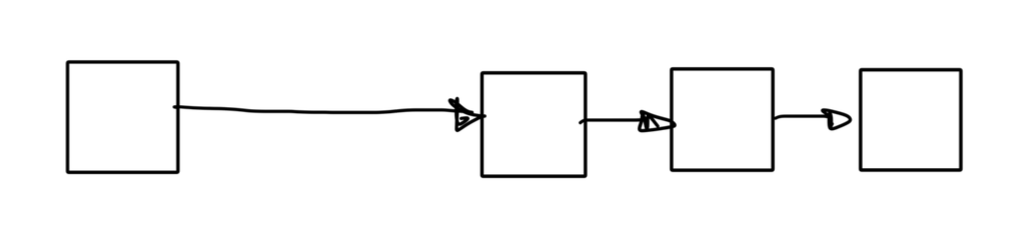
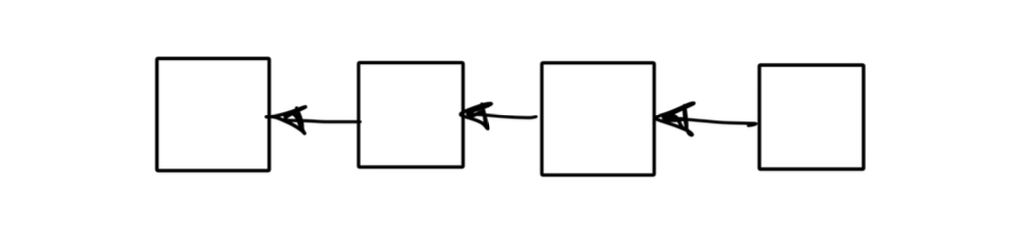
Can we change the order of frames to explore different flows?
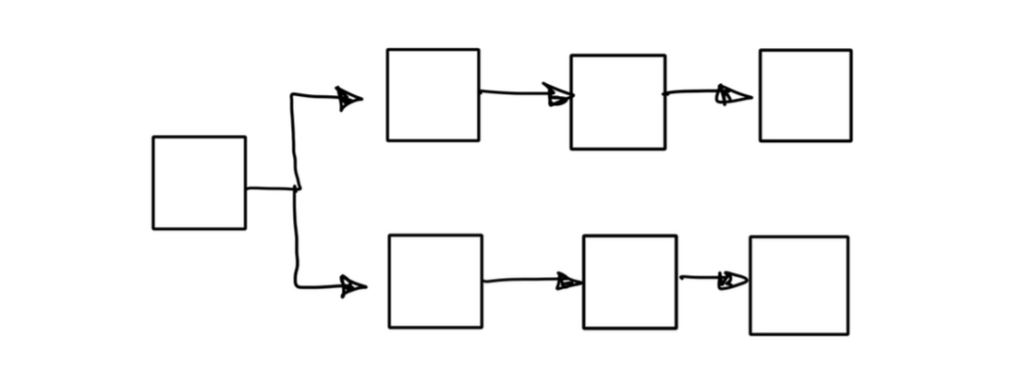
Could stories unfold as parallel universes, showing multiple outcomes at once, or as many possibilities, branching from a single decision point?
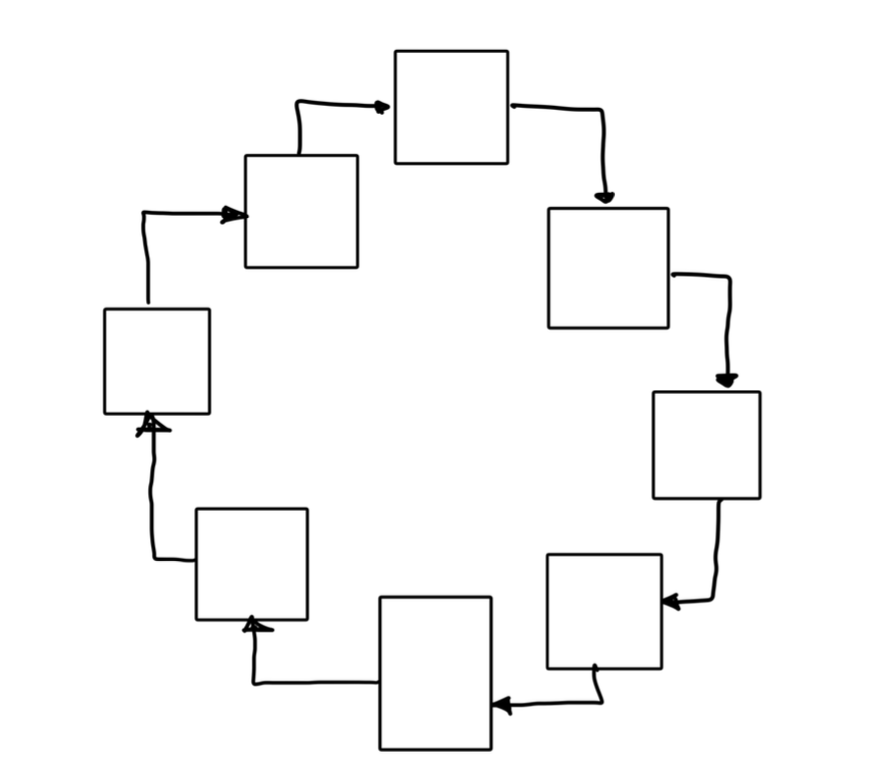
Could loops repeat sequences to emphasize cycles or recurring events?
Is there value in leaving some moments untold, letting the audience imagine or interpret them?
Can a single story be shown from two perspectives, revealing new insights? Can frames jump backward and forward in time, compressing or stretching moments to highlight emotional or narrative shifts? Could storyboards go beyond straightforward sequences, exploring alternative structures, rhythms, and timing with visual elements?
If these variations make sense for our purposes, storyboards could become more than planning tools. They could transform into experimental narrative media, capable of representing complexity, abstract processes, and alternative interpretations. Could this flexibility allow storyboards to thrive in educational, creative, or communicative contexts, where linearity and simplicity are not required? Could they become a versatile tool for thinking visually, revealing processes, possibilities, and narratives in ways that words or diagrams alone cannot?
By exploring these questions, we can reconsider the form of storyboards. If used creatively, they could move from simple instruction to instruments of imagination, communication, and exploration, opening new ways to represent stories, interactions, and experiences visually.
