This project explores a more intentional and sustainable way of creating visual sources for VJing by working with the node-based software “Resolume Wire” in combination with “Resolume Arena”. Instead of relying solely on downloaded or self-made pre-rendered clips or effect chains, the goal is to build adaptable systems that can evolve, just as the VJ evolves.
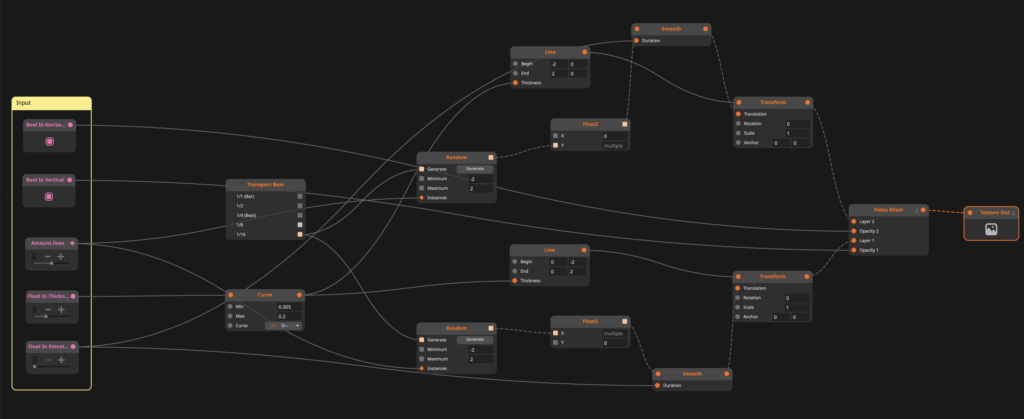
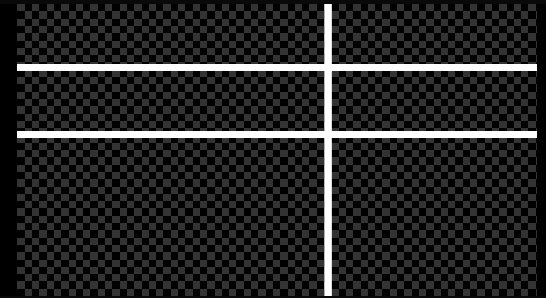
At its current stage (see node patch above), the project consists of two lines, a vertical and a horizontal line that behave like dancing entities by giving it specific parameters like minimum and maximum size, line thickness and random position appearances, which creates the dancing look (see below).
By mapping parameters in Wire to Midi controls in Arena, the lines can be manipulated in real time, shifting rhythm, shape and interaction dynamically during a set. This turns a simple visual into a responsive instrument rather than a static asset.
What makes this approach particularly compelling is its openness. The system is not a finished or fixed file. It is procedural and expandable. Additional parameters can be introduced in Wire at any point, allowing for more complex behaviors or nuanced control if required. Of course, that is as long as one has a Wire and Arena licence.
For example, arrays of color profiles could be implemented to either randomize colors or trigger specific palettes via MIDI or by making this effect sound reactive. This creates a balance between unpredictability and control, depending on how the performer chooses to engage with it.
This ongoing, system-based workflow differs significantly from more common approaches. Creating visuals directly in Arena often encourages experimentation through layering and applying effects in the moment. This can lead to surprising and playful results, driven by intuition rather than planning. On the other hand, producing pre-rendered content in tools like Adobe After Effects offers precision and high visual fidelity, making it ideal for detailed compositions that need to remain consistent.
I do not position myself against any of these methods. Both approaches have their place and I will likely try out all the mentioned workflows.
However, integrating Wire into the mix introduces a different layer. Independence as a VJ and longevity of visual sources. Instead of solely building a collection of fixed clips, this method contributes to a growing and reusable visual system. A personal databank of generative tools. Ironically, I will mix the content that I am writing about live at the “Generate” event in Graz. As I said, intentional design is the keyword here.
In that sense, this project is less about producing a finished visual and more about establishing a process, similar to a DJ set. The two dancing lines are just a starting point: One of the simplest structures that demonstrates how even minimal elements can become expressive when they are designed to be performed.
If you’re curious, here is a snippet of me testing and practicing. Or should i say I am cooking in my kitchen?
The color shift from white to, e.g., green is actually just an iPhone camera fault, but this inspired me to try and add a color randomizer for a certain number of frames, similar to how the lines appear in different positions on the screen.
Once again, testing has proven its worth beyond VJing being incredibly fun.
It is also rewarding to see how I presented last semester that I want to get into VJing and now I am already deep into the matter and have gone back to where it started – simple lines, as seen in my old presentation slide below.
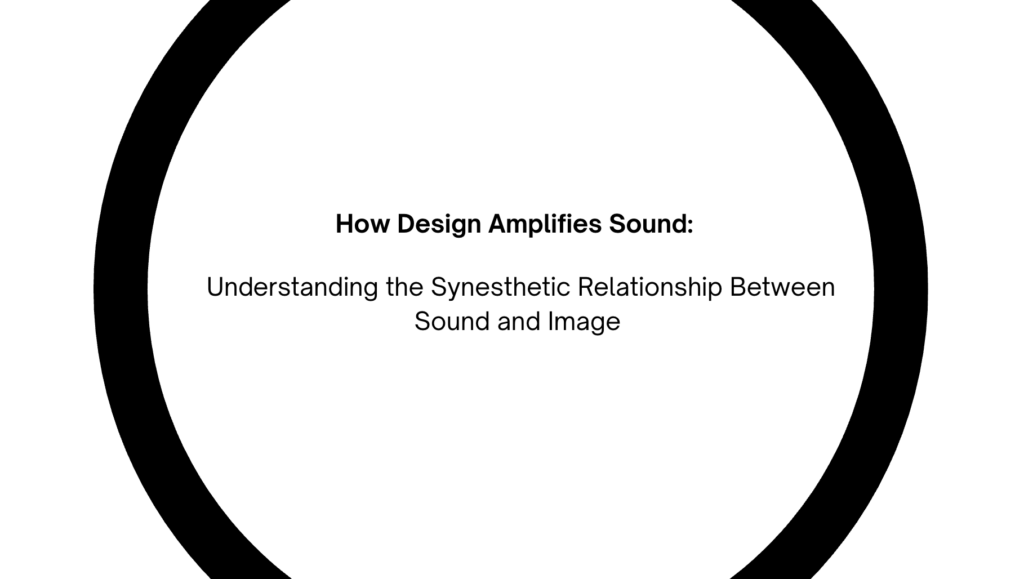
Full circle moment!
