The style of an animation can strongly influence the expectations of its viewers. This effect is especially apparent in comedy and satire. Stylization prepares the audience not to take everything literally and signals that exaggeration and humour are part of the experience. Exaggerated facial features, distorted proportions and simplified character designs are commonly used, frequently resembling caricatures.
Caricatures are an old technique dating at least back to the Renaissance. Some of Leonardo DaVinci’s drawings showed exaggerated facial features. The impression of a face was more important than reality or beauty. Around the 18th century caricatures were an established art form, especially in England. The themes often depicted politics combined with satire. Around the 19th century cartoons were gaining popularity in print media. A cartoon usually consisted of a small sequence of images and often had humorous intent. While caricatures and cartoons are not identical, their themes and visual styles often overlap, and both rely heavily on exaggeration and simplification to convey meaning quickly and effectively.
Many contemporary animated series maintain this longstanding tradition. Take shows like The Simpsons, South Park, Big Mouth, and Family Guy, for instance. The characters in The Simpsons don’t exactly mirror real humans. With their distinctive yellow skin, oversized googly eyes, and over-the-top hairstyles—like Marge’s towering blue beehive or Lisa’s star spikes, they clearly embrace a unique style. Even their four-fingered hands emphasize this departure from realism. Yet, paradoxically, these characters feel relatable. They encounter familiar challenges, family dynamics, and societal issues that viewers can easily recognize from their own experiences.
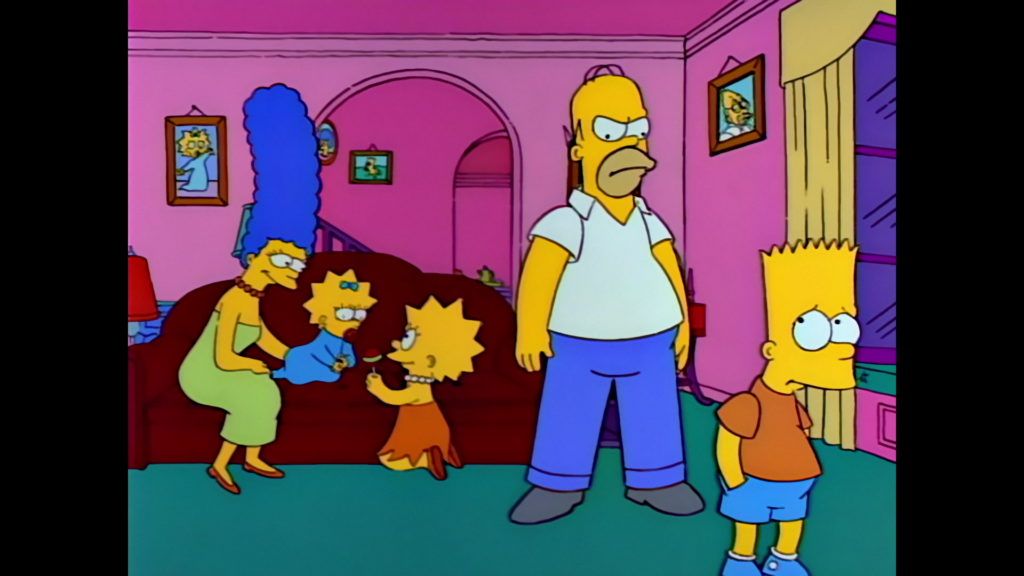
The visual disconnect makes the series’ tone clear right from the start. Audiences quickly understand they are in an exaggerated, whimsical world. While the topics tackled might be serious – corruption, inequality, or ethical dilemmas, they become more palatable thanks to humor. The stylized animation creates a buffer that allows viewers to engage with intense themes without feeling bogged down. This detachment also grants creators liberty to stretch conventions, critique society, and amplify flaws for laughs.
For example. Homer strangles his son Bart on various occasions. In the series it is done to show Homers short temper and for a quick laugh from the audience. In reality, it would be horrible and no one would enjoy watching a father abuse his child. Yet the distance created through the stylization and the over exaggerated cartoon violence as well as the lack of real consequences changes the context for the viewers from a horrible action to a joke.
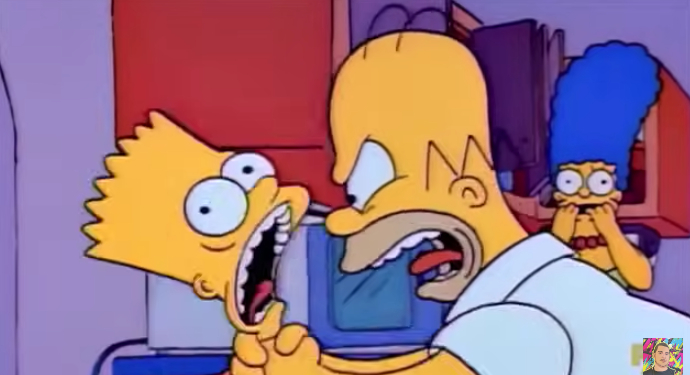
Even though these shows provoke thought, their distinctive visual style acts as a cushion against the heavier subjects. The exaggerated character designs cue viewers to approach the content with irony and an open mind. Thus, animation isn’t just about aesthetics. It significantly influences the tone, mood, and audience expectations right from the opening scene.
https://en.wikipedia.org/wiki/Animated_sitcom
