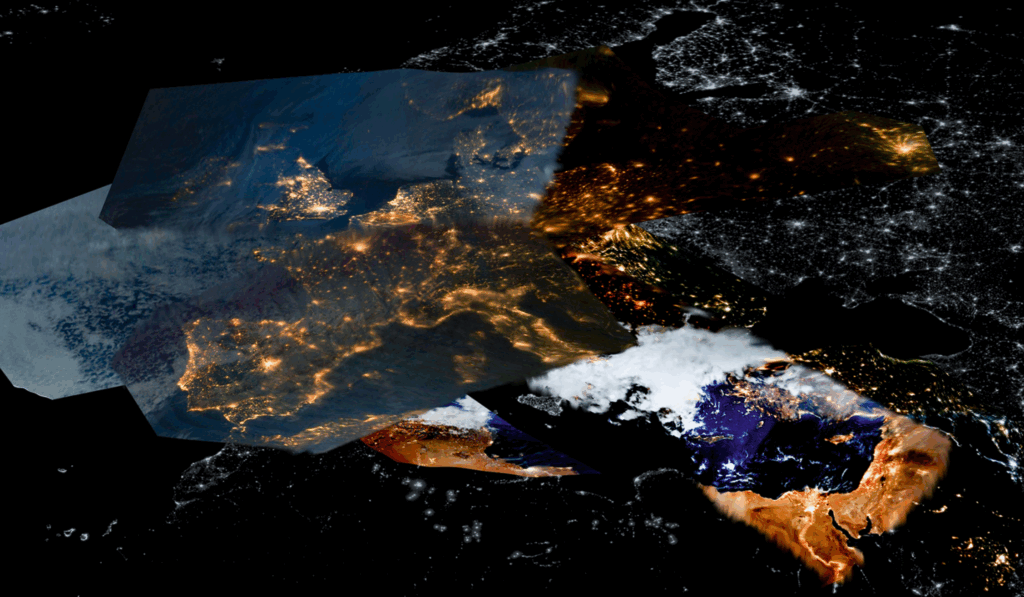
83% of the world’s population has never seen the Milky Way, living disconnected from our cosmos. This is due to light pollution, which is the excessive or inappropriate use of artificial outdoor light. Apart from distancing us from nature, it impacts human health and wildlife behaviour.
The invention of light completely changed our society: thanks to artificial illumination, after sunset we can do almost everything we would do during daytime. This revolution has lengthened the workday, allowing economic growth.
But like all great inventions, it comes with a downside. Due to poor design, light reflects in directions other than the intended one: streetlamps, cars, windows, factories and billboards significantly brighten the night sky, especially over urban areas.
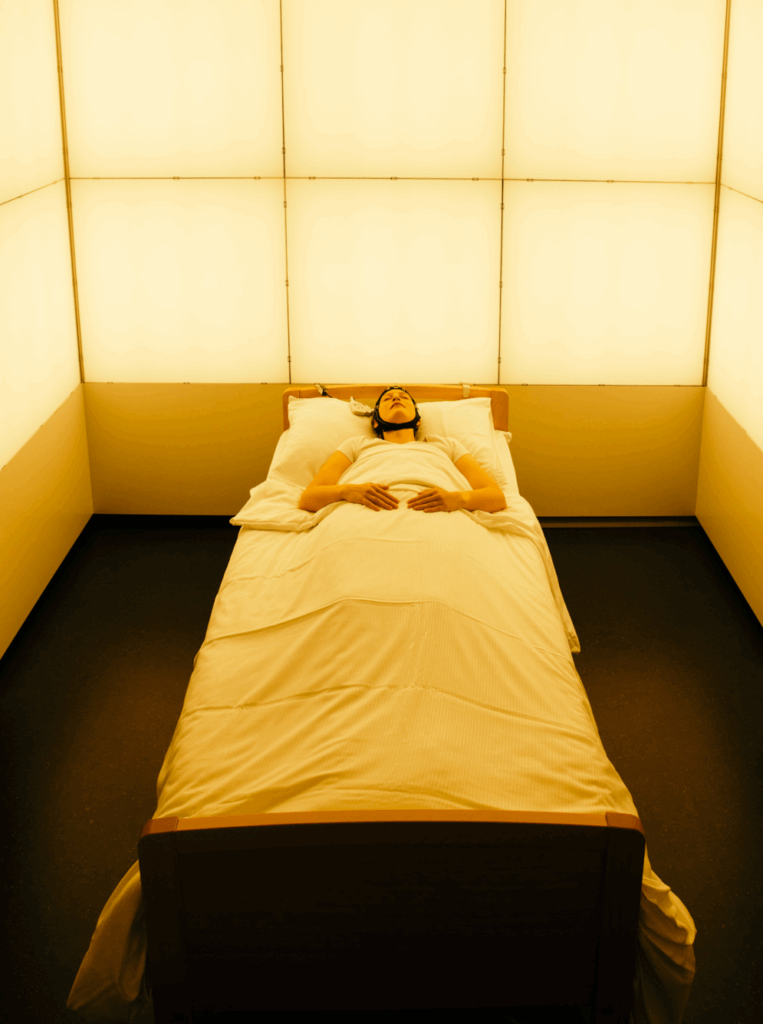
For what concerns health, artificial light confuses the production of melatonin, therefore damaging the human circadian cycle. This results in sleep deprivation, stress, anxiety and according to recent studies it is even linked to cancer.
Wildlife is also deeply affected: migration patterns are damaged, wake-sleep habits changed, nocturnal insects are disoriented, plant leaves no longer sense the start of winter. Often the consequence of these anomalies is death.
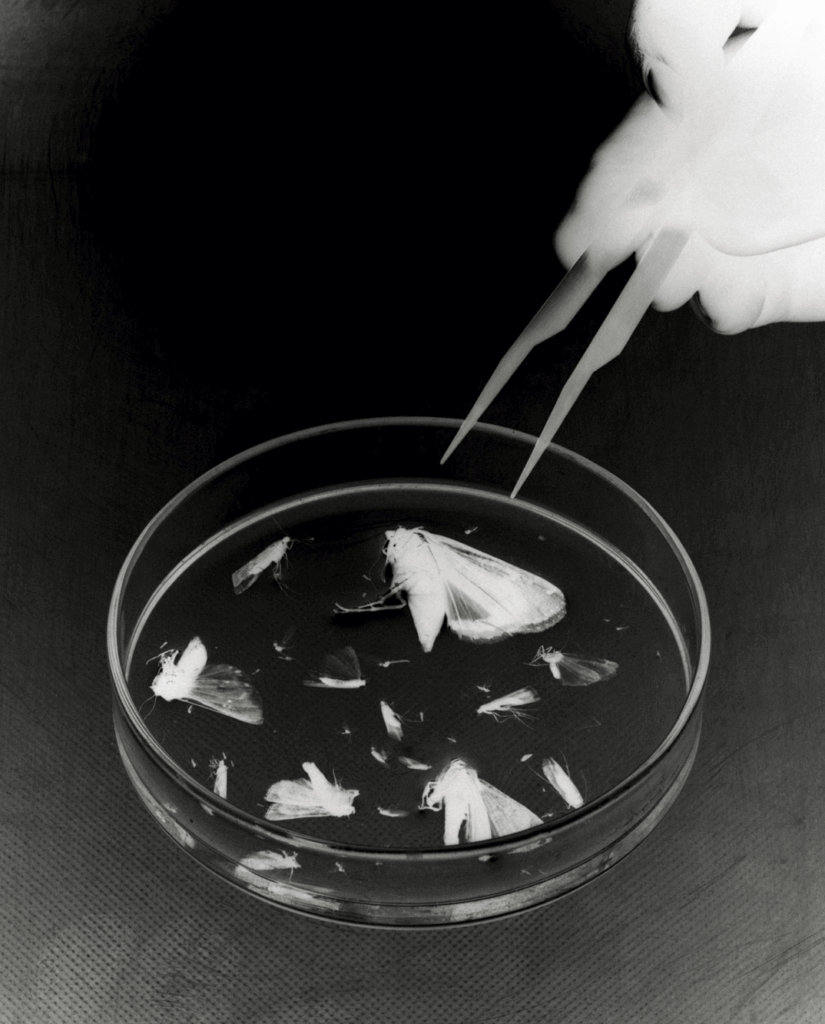
I became passionate about this cause after visiting the photography exhibition Protege Noctem by photographer Mattia Balsamini. In his project, he documents the disappearance of the night and its creatures. Thinking about what humans are doing to nature is frustrating and I often feel powerless about it. I decided to try to contribute by asking myself: “How can interaction design combat light pollution?”.
I think there are three directions that can be taken: raising awareness, designing eco-friendly products and supporting ways to take action. My aim for the next few weeks is to explore each of these aspects, starting from what already exists in the design field, moving onto what can be implemented and finally figuring out what is missing.
We can raise awareness on the disappearing stars, the health risks of light pollution and its impact on wildlife. In addition, we can draw attention to the importance of preserving darkness. There are several organizations working to reduce light pollution and create dark sky reserves. One of these is the DarkSky International, which fights for dark sky reserves.
Where light is necessary, we can limit it. This is where light design kicks in. Many examples come to my mind: the design of light itself, in private and public settings, its intensity, temperature, duration, disposition, reflection, orientation and its sensors. On the other hand, we can also explore shadows and how to create them: curtains, blinds and shields for instance. Another direction could be exploring light alternatives: is it possible to fulfill certain needs with the help of other means, such as sound, touch or motion?

Finally, design can support various ways to take action. These are advocating for changes in schools, workplaces and communities, spreading the word or citizen science. The latter involves regular citizens, who submit measurements of the night sky brightness and support scientific projects, such as the Globe at Night Project.
Light pollution is a broad topic and I am excited to investigate its relation to interaction design. Nevertheless, I fear that any solution I might come up with may be difficult to apply to daily life. I therefore aim to focus on realistic ideas that can actually make a difference during my research.
Sources
Balsamini, M. (2023, December 18). Protege noctem. Mattia Balsamini. https://mattiabalsamini.com/project/protege-noctem/
Light pollution. (n.d.). https://education.nationalgeographic.org/resource/light-pollution/
MapMaker: Light pollution. (n.d.). https://education.nationalgeographic.org/resource/mapmaker-light-pollution/
Gaston, K. J., Davies, T. W., Bennie, J., & Hopkins, J. (2012). REVIEW: Reducing the ecological consequences of night‐time light pollution: options and developments. Journal of Applied Ecology, 49(6), 1256–1266. https://doi.org/10.1111/j.1365-2664.2012.02212.x
Light pollution – artificial sky brightness – science on a sphere. (2016, August 4). Science on a Sphere. https://sos.noaa.gov/catalog/datasets/light-pollution-artificial-sky-brightness/