We’ve talked about life that will come after us, and what life before us looked like. But what about life on other planets? How do we imagine alien life? And where does the reality differ from the image we created in media?
Small Green Men
Aliens are used as a classic embodiment of the other in media. From small green men to furry monsters and incomprehensible shapes – aliens are an unknown kind of people who appear grotesque and strange, who might be exactly like us, even become or friends or allies. Or might just be our doom, the total destruction of or race. Or who might be so incomprehensible to us that we can’t even begin to understand them.
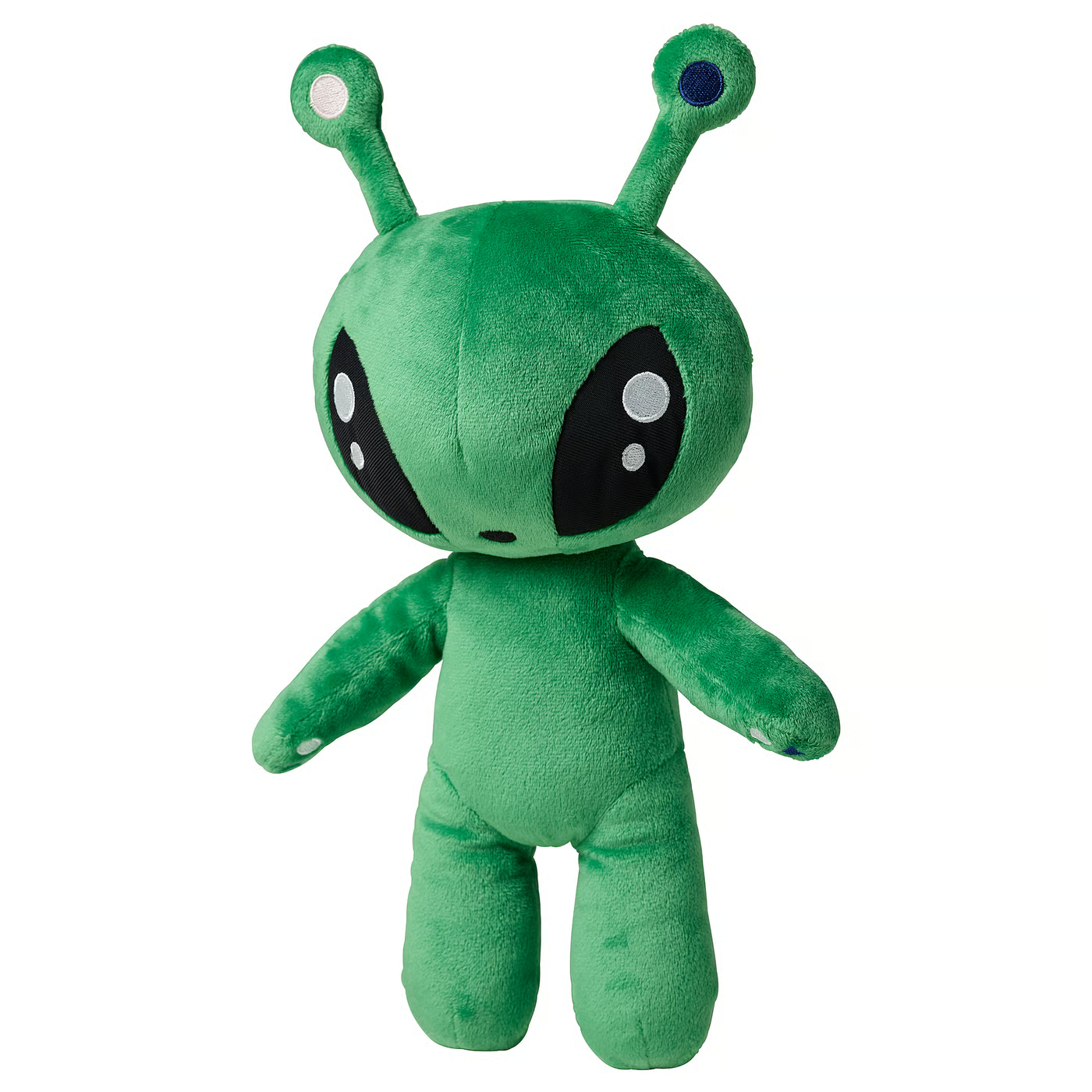
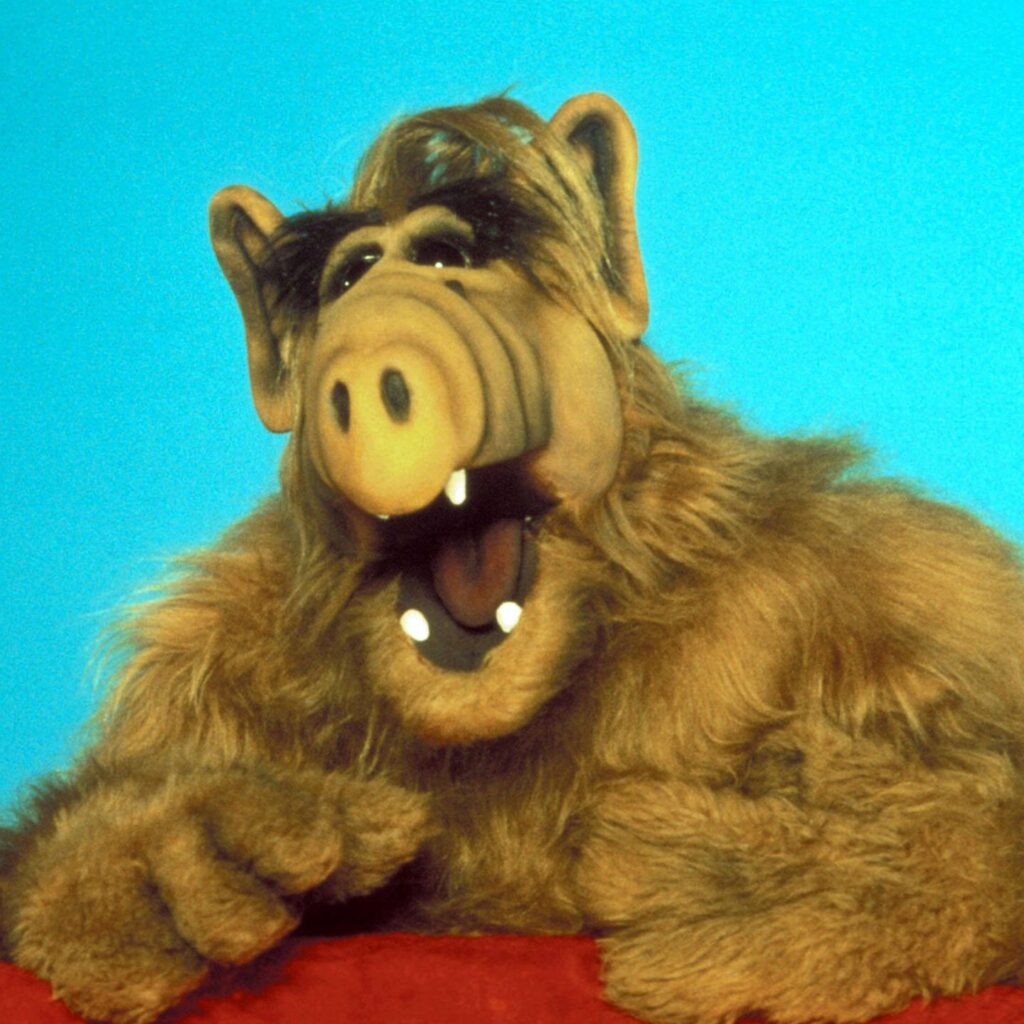

“Aftonsparv” plush from IKEA, Alf from the TV show Alf (1986) – Jean Jacket from Nope (2022)
Where Is Everyone Else?
Of course, for us to meet aliens, there would need to be aliens. But where are they? The universe is infinite, it’s preposterous to say we’re all alone.
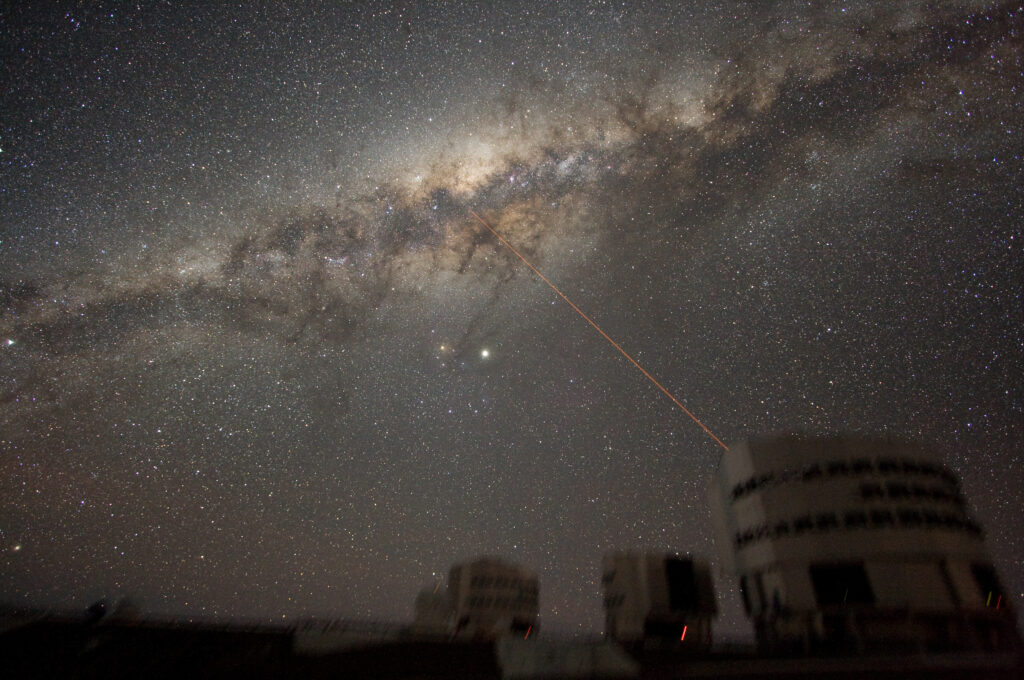
We can make an educated guess about what environments support life, using our own planet as a basis. Habitability requires certain conditions like the availability of water, energy and carbon. Thus, allowing life to be established, but also allow to sustain it and make it flourish. It sounds simple enough, but Earth is in fact a rarity out in the universe. We have yet to discover a world that would be suitable or even remotely habitable for a human being without extensive artificial help. Even planets that count technically as habitable have such extreme environmental conditions that earth-like life could never exist there. Additionally, environments are not static. They change over time and the conditions present during the appearance of life might not be those needed to maintain life or are even capable of supporting it long-term. This also assumes that any planet that has or had the ability to support life will definitely have contained it.
Life is surprisingly fickle and habitable environments are rare. When imagining alien life, we not only need to consider what environment might sustain life, but what type of life would even be able to life there. Here the defining factors are temperature, acidity and salinity. We can study these conditions on Earth, though they will never be able to accurately copy environments on different planets given factors like gravity and atmosphere.
That doesn’t mean it’s not worthwhile to explore. Intelligent life elsewhere might not look like anything we’re even capable of imagining, but it’s still up to us to try. To wonder what else is out there and if we ourselves could one day settle on a planet far away.
“Nowhere in space will we rest our eyes upon the familiar shapes of trees and plants, or any of the animals that share our world.” – Arthur C. Clarke, Author of 2001: A Space Odyssey
Sources
- Wolfschlag, Claus M.: Traumstadt und Armageddon. Zukunftsvision und Weltuntergang im Science-Fiction-Film. Graz: Ares 2007
- Preston, Louisa: Goldilocks and the Water Bears. The Search for Life in the Universe. London, New York: Bloomsbury Publishing 2016 [E-Book]
- Kershenbaum, Arik: The Zoologist’s Guide to the Galaxy. What Animals on Earth Reveal About Aliens – and Ourselves. UK u.a.: Penguin Books 2020 [E-Book]
