After writing my last three entries and developing a fictional ecosystem for Jupiter’s moon Europa, I though it was about time to get some feedback on what I had written so far. Get some insight if what I created was believable, felt thought out or was even just understandable.
Feedback
Are the descriptions of the animals believable? Why/Why not?
Until the last entry I wasn’t sure if you were telling me actual information or fictional one. all creatures except the Leviathan seem believable. Could be due to me not knowing much about oceanic creatures, but i think it is rather that the proposed food chain, their designs and their behaviours make sense for animals and I buy into the fantasy since it resembles the animals I know irl.
Yes, because once I read the second blog is when I realised that these aren’t actually real (actually I’m still unsure if they are or aren’t real…)
Yes, they seem believable because they resemble encyclopedia descriptions.
Only the leviathan text didn’t seem as believable starting with the paragraph where it says they have settlements. I think this part was not as believable because nothing else implied that there would be an animal with this much intelligence that even keeps livestock of others/is this far developed. All the other descriptions felt like something I have read before in some encyclopedia. Only with this one entry I was like “Oh hmm I guess this is some other universe?”. For me there was just some discrepancy between this entry and the others.
I wonder whether maybe different words for “livestock”, “farming” “agriculture” and “settlements”would be better, because in my eyes these words are so deeply connected to humans. I don’t even know how farming by a leviathan would look like, because when I just hear it I imagine someone like a farmer holding a pitchfork or shovel. Maybe describing how leviathans farm instead of using the word “farming” would form a more realistic picture?
I think it’s because I have never read of an animal that farms or keeps livestock. Which is why I can not imagine it when someone/something does it, but not the typical way a human does. (Like keeping stuff in cages, …)
Also you wrote that the leviathan is “living on Europa”. Is it not “in” Europa? Maybe that’s why all of a sudden the immersion broke and I started imagining them walking on land and farming like actual humans.
Are the designs of the animals believable? Why/Why not?
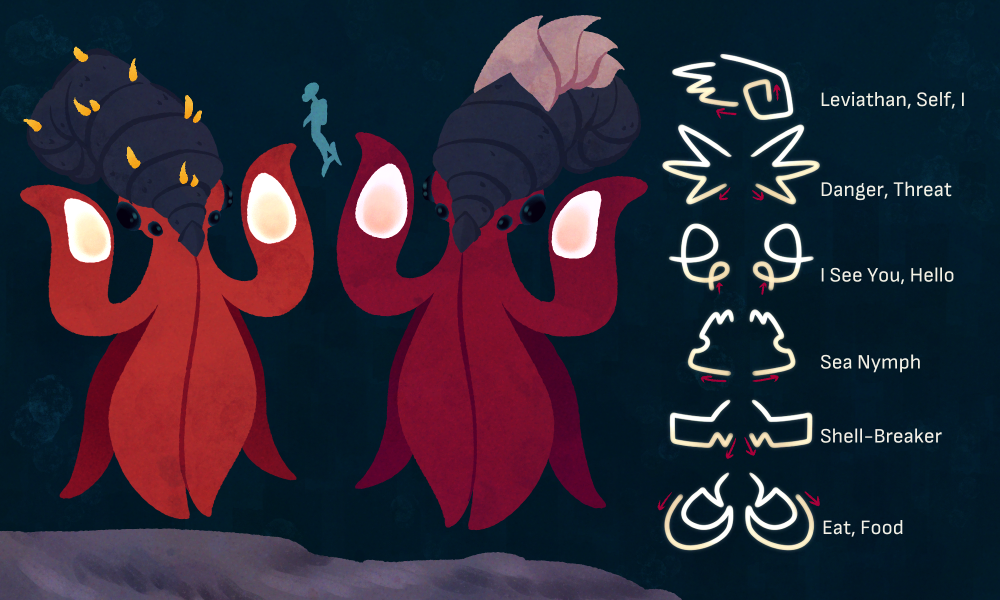
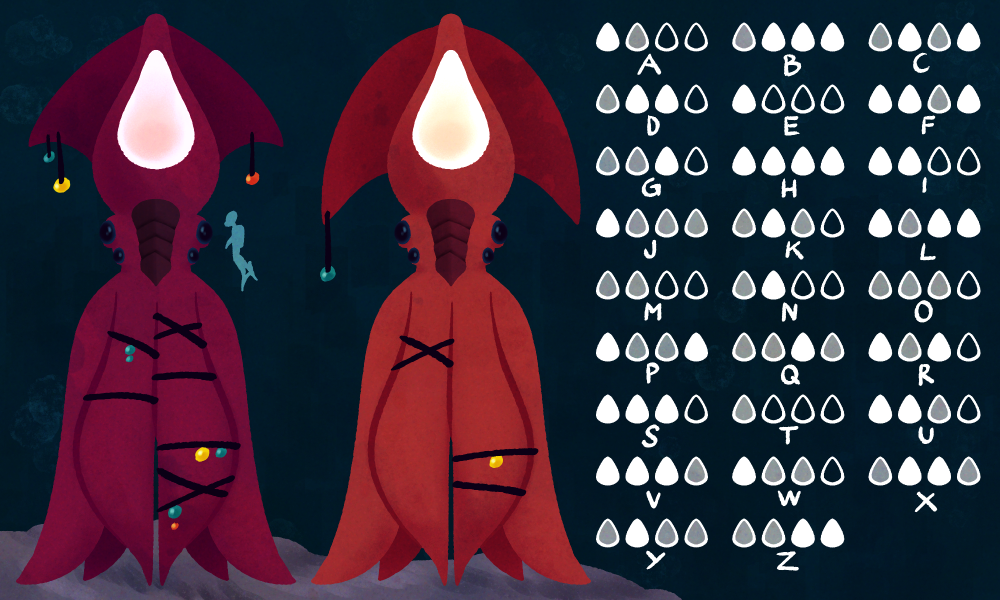
Yes, mostly. The leviathan with their communication system seem believable but the ABC took me out of the fantasy. I do think that with sea creatures one can figure out a way of greating and such, but the whole ass Latin alphabet?? why would they use that?? It would’ve made more sense to just see signals and phrases or usage similar to human like “hello”, “warning signal”.
Otherwise, the creatures looked real. Idk much about shell-like animals, but from what I know they look the part.
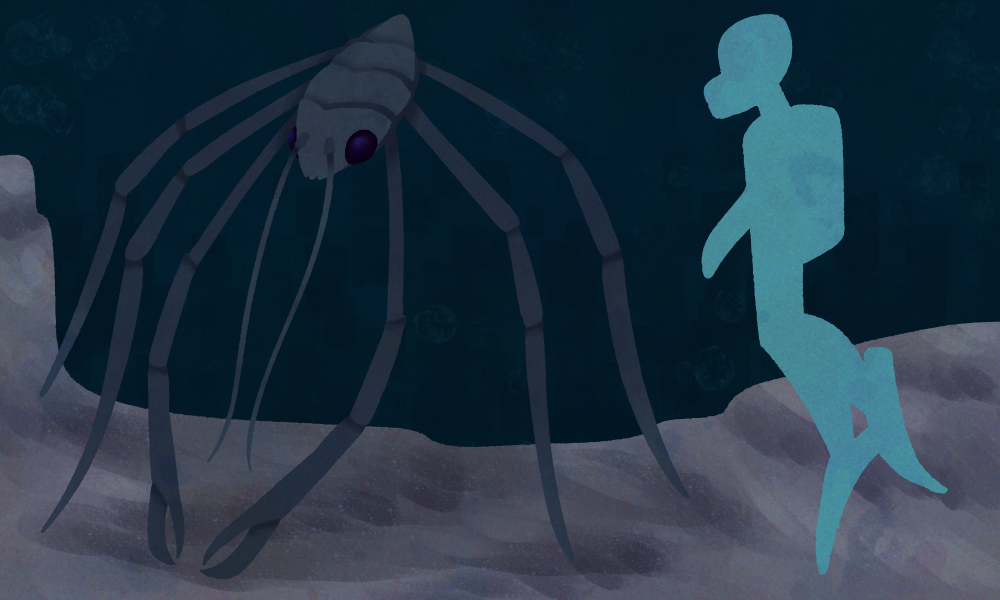
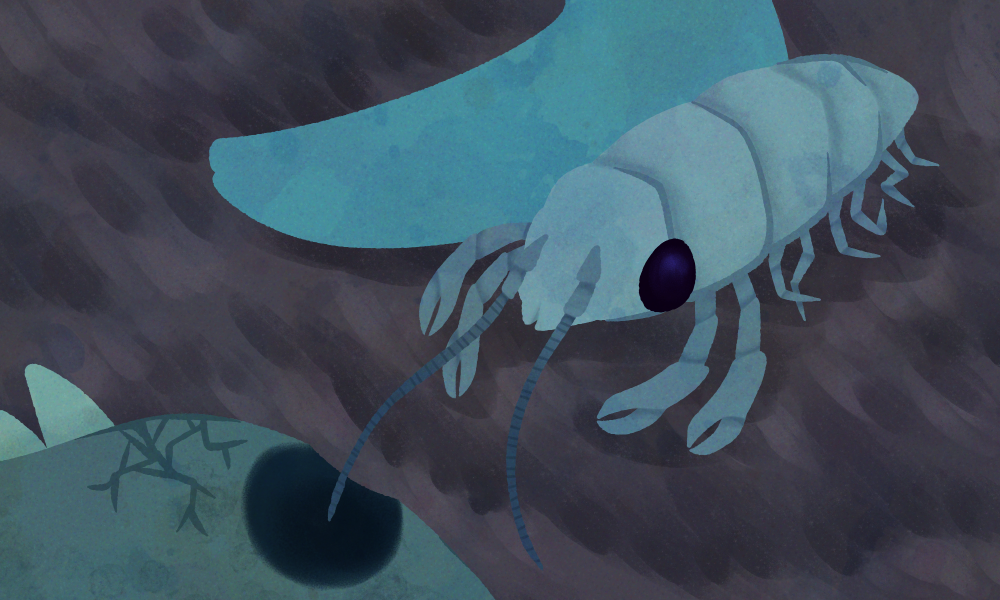
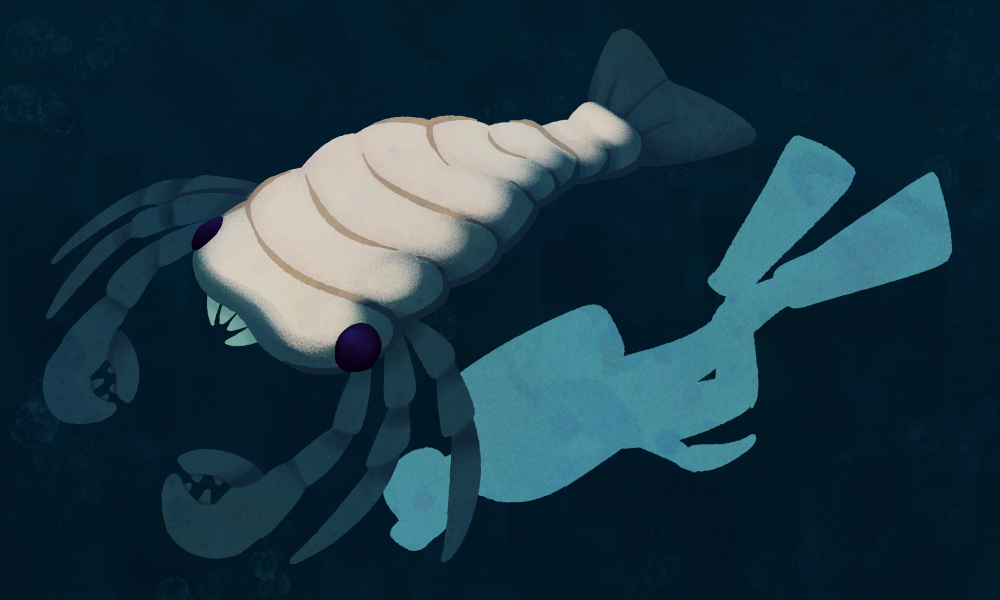
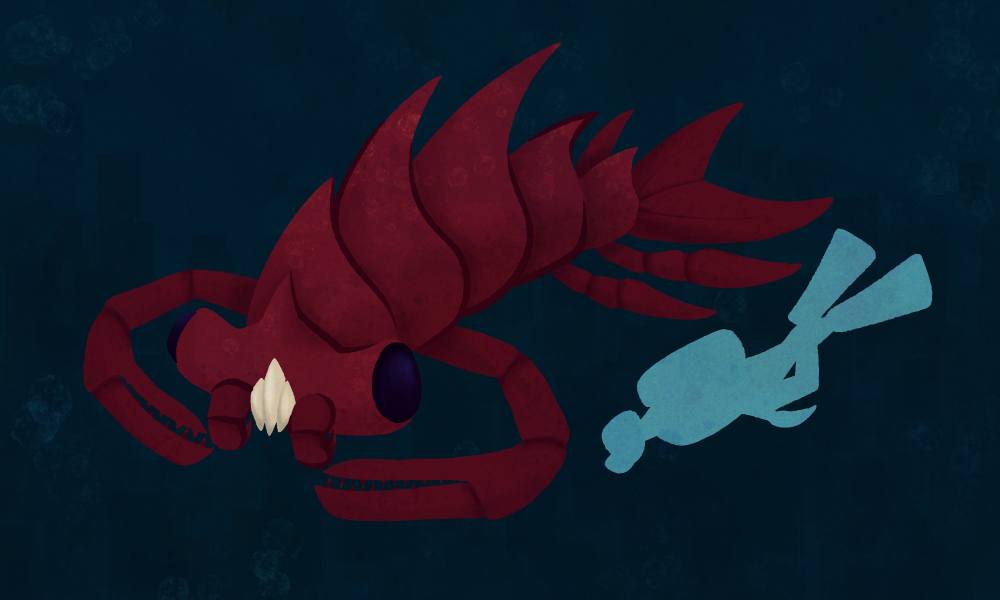
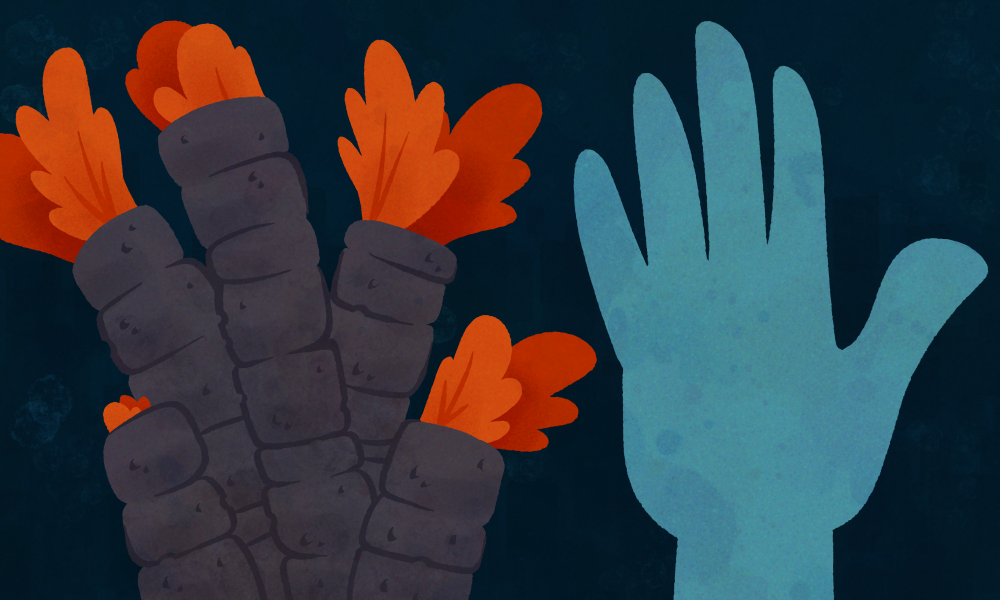
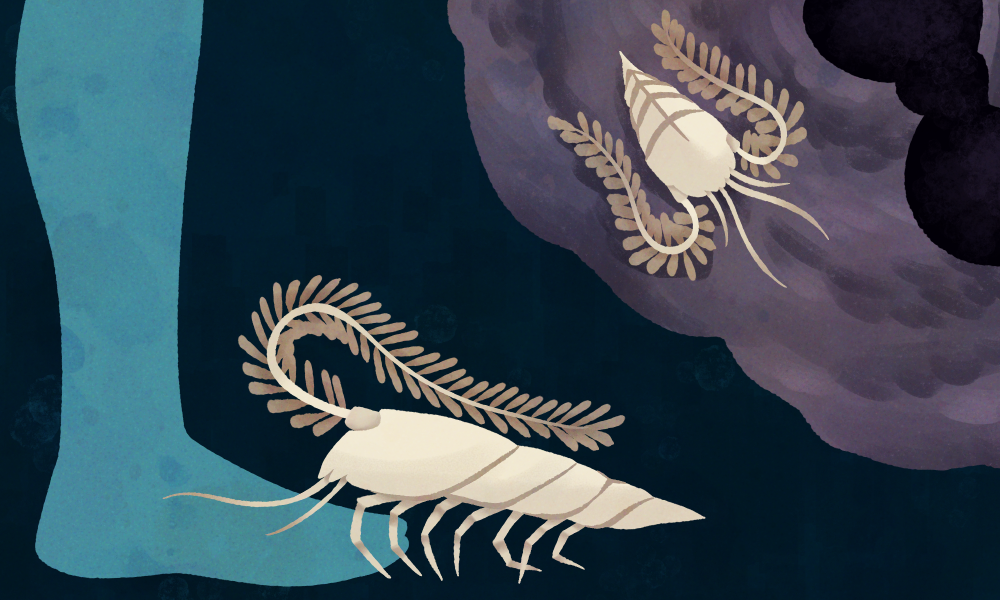
They’re believable because they look grounded in reality. The one that made me snap out of just believing these are real is the shell breaker because I was shocked at the size comparison. In my knowledge there isn’t a crab/prawn looking thing that big but I don’t know too much about the topic.
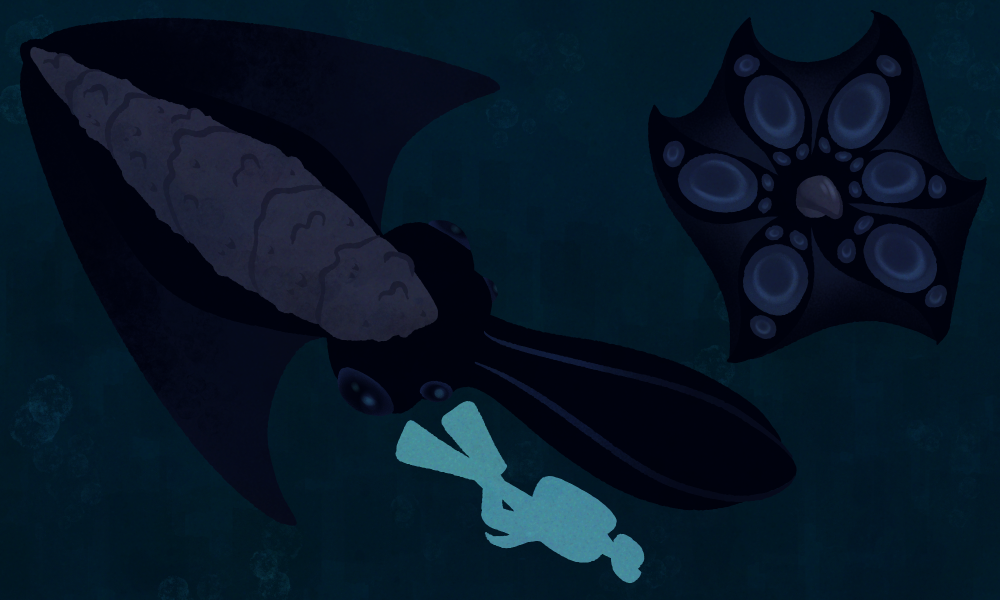
The designs seem believable because they seem to be grounded in reality. Only the leviathans felt like they didn’t fit with the others, because of the decorations. It feels very customized in comparison to all the other animals presented before. When I saw the strings and pearls I thought a human decorated them like a christmas tree. It is fine for them to have decoration, especially since your text seems to imply they are very intelligent, however the accessories seem very “human” and not like a squid put it onto itself. The strings remind me of nets/seem like of restricting in my eyes for instance. Especially the ones that form an X
For the chart on the leviathan image maybe you should change the teardrop shape a little so it looks exactly like the glowing part on the head of the leviathan, because at first I didn’t realize it referred to that. Also I was confused why the used the latin alphabet. You wrote they have a very complex system of language, but seeing just the latin alphabet kind of diminished that and also it just doesn’t feel realistic to me that they would use letters like a morse code, since this way of communicating feels like it takes too much time on average.
Does the information presented feel like a good insight or should there be more?
It feels a rather scientific insight, like from a science journal or article. The information is understandable though.
I don’t think there should be more but maybe you could also structure it in a bulletpoint list or something like that for easier scanning.
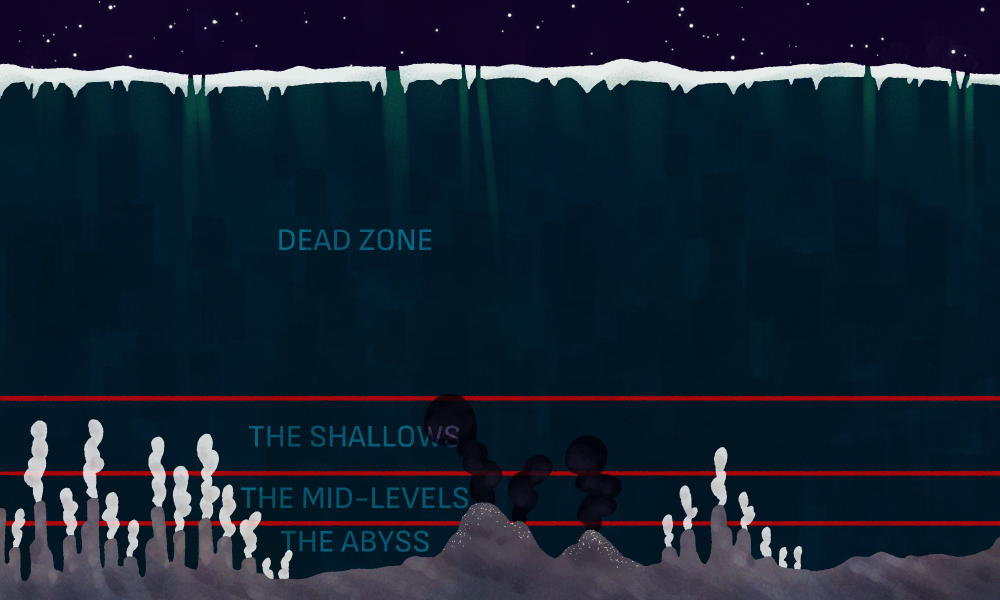
I think a bit more information regarding the environment would be good. How far in the water are we? Is this set on Earth in Europe or is this an alternate universe?
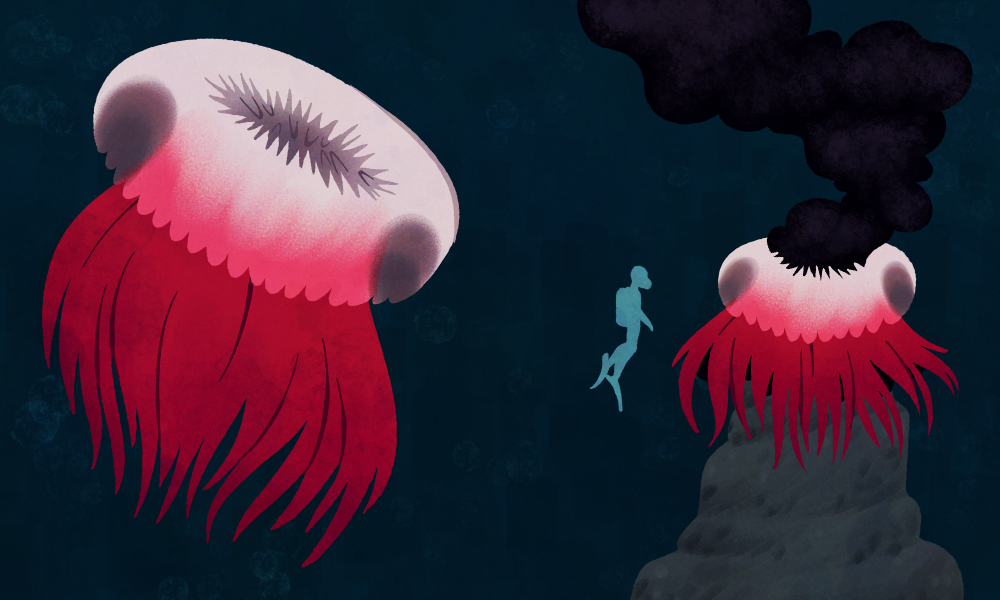
Also I assume we are in the deep sea, because animals in the deep sea tend to be bigger. If yes it would be nice if that was written somewhere at the start, because when I first saw one of the giant jellyfish, I felt like they shouldn’t be that big till i realized this is probably set in the deep sea.
Does the ecosystem feel well-structured?
If you mean that there is a food chain established then yeah sure. Food chains always make stuff more believable, especially since you also got some non-predators in there or some that only pery on specific animals.
The ecosystem had a source for it so it does seem well structured/based on reality with food chains
Yes it feels well structured.
Any additional notes?
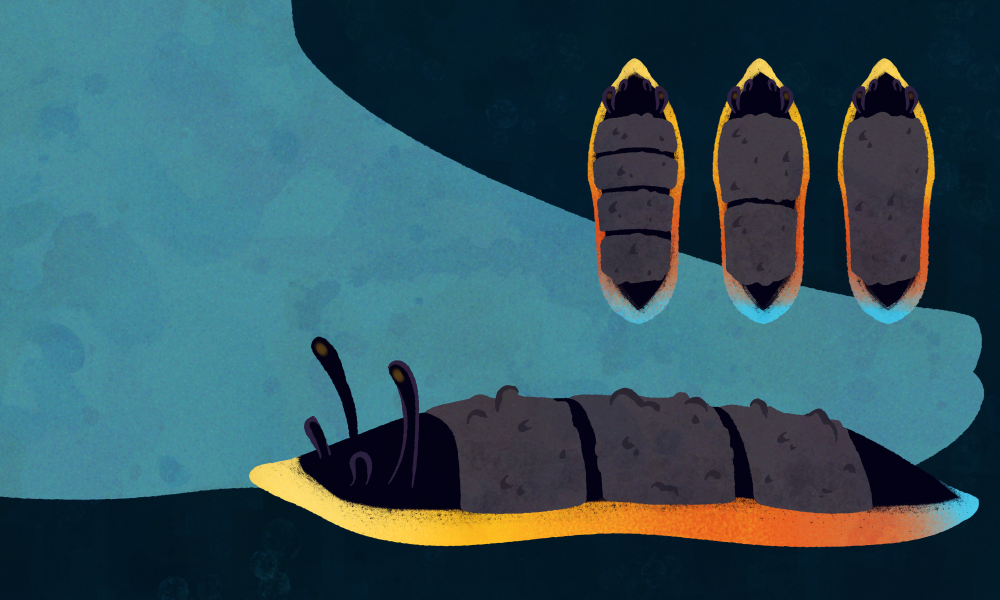
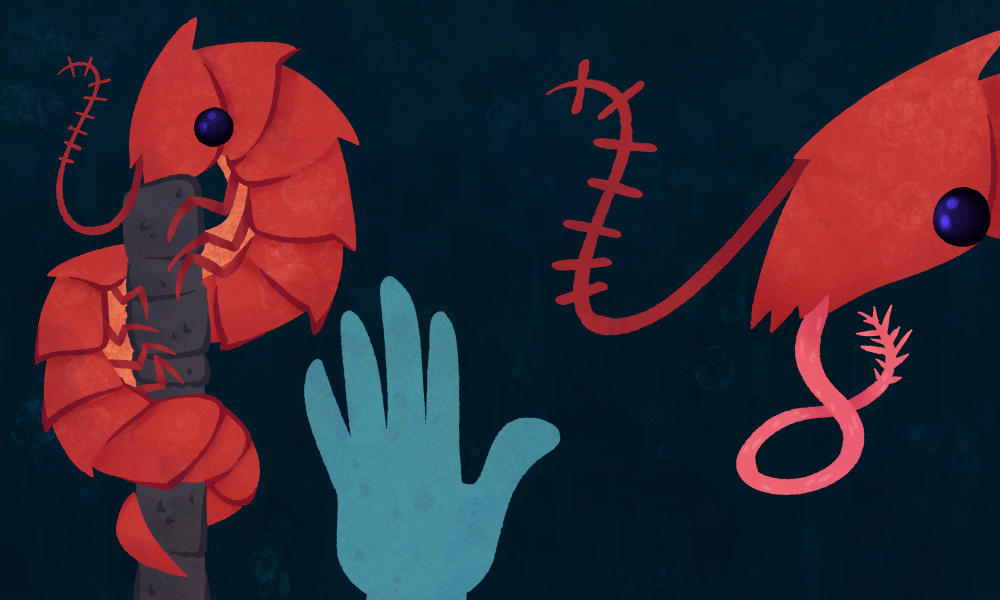
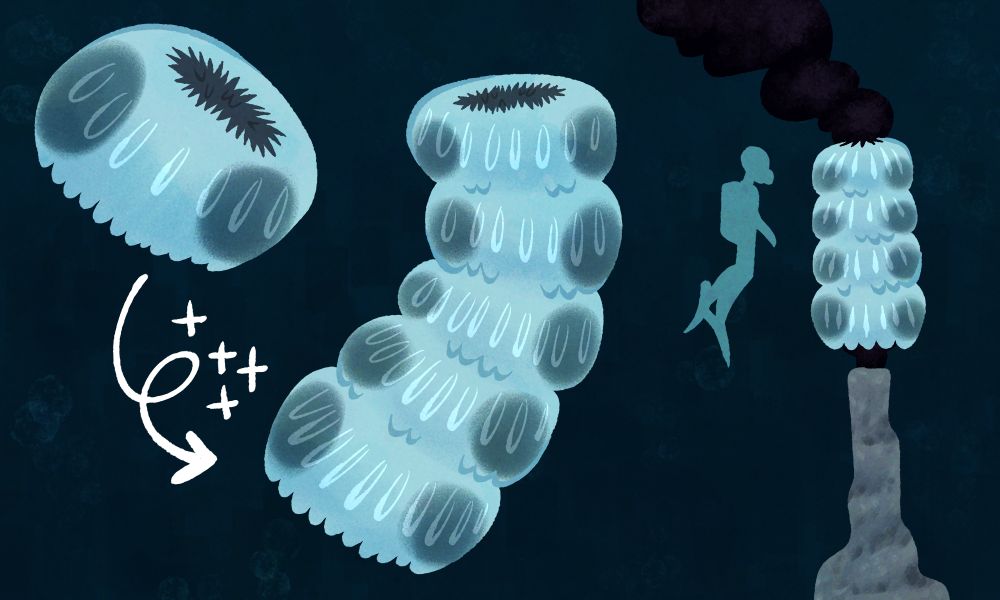
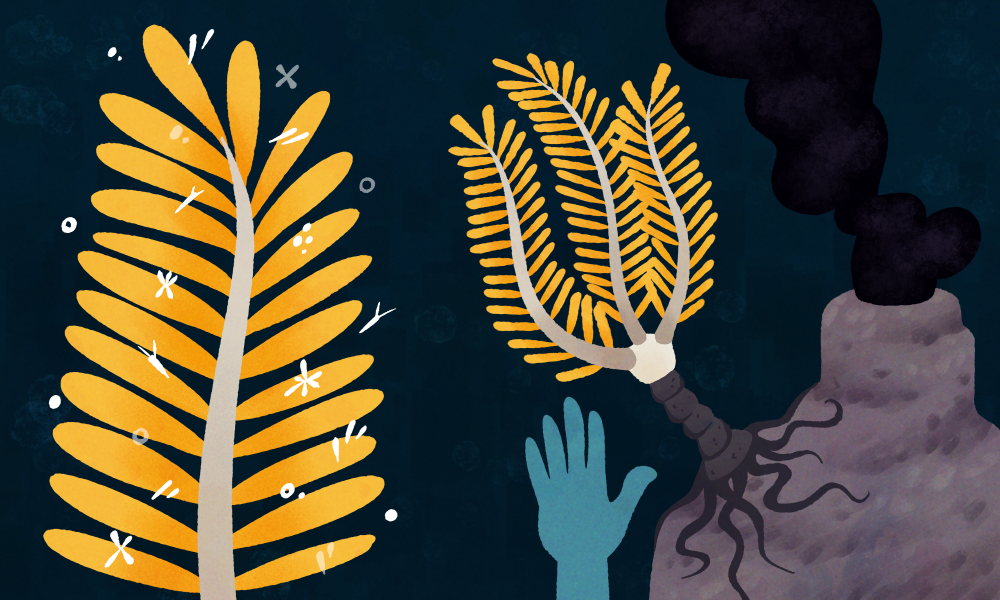
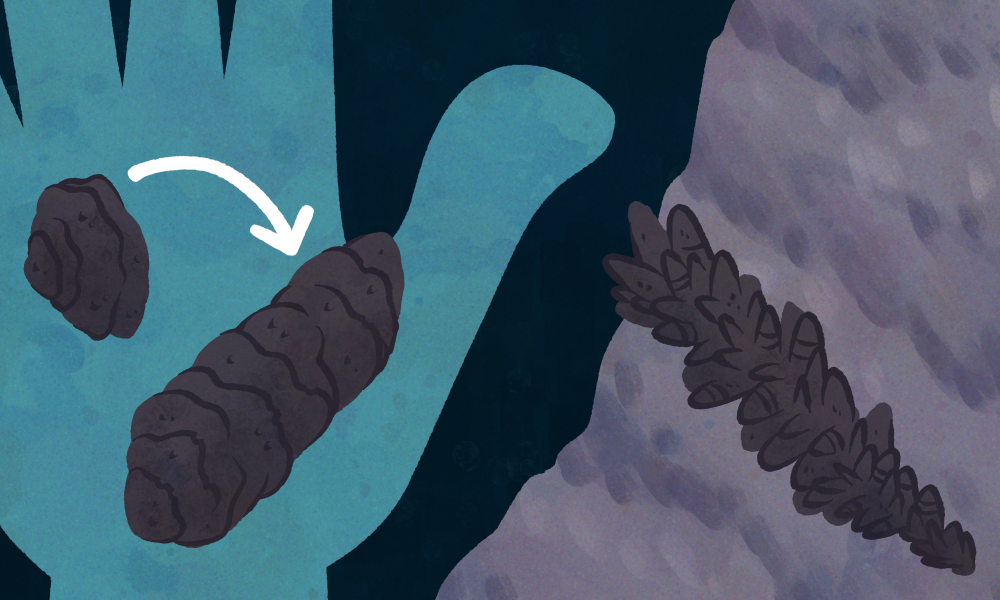
The size comparisons took a bit to get used to but ended up working well when i realised what was going on (I didn’t even realise I was looking at anything with the first image because I thought it was just a random BG pattern)) The placements of the people are also dynamic which is stylistically and aesthetically pleasing but can be confusing on a strictly “scientific comparison” level)
You don’t have to take my feedback too seriously. I don’t really know a lot about marine biology unfortunately. So maybe there is an animal that farms and stuff and I just don’t know it. That is why it feels so advanced to me and maybe even unrealistic. I do however think that maybe actually describing the actions rather than using the words “farming”, “keeping livestock” might make it seem more realistic and give it a more animalistic feel rather than a human one. Also the leviathan path is longer all the others so it sticks out more. I wonder whether shortening that one or lengthening the others would balance it out more.
Conclusion
The entries were well-received overall – they feel mostly believable and are easy to understand. Though it seems with the Leviathans I missed the mark by quite a lot. The criticism here seemed pretty consistent – they feel a bit too human, which is something I know is an easy trap for developing alien species. A lot of terms used for their culture felt too human, maybe here it would be better to come up with something more specified. It’s also possible to simplify their culture overall – they might come across as too developed and making them more feral could make them feel more realistic.
I translated their alphabet into our Latin alphabet because I thought it made the comparison easier to grasp, but it breaks immersion. Rather, I should go about the alphabet a different way or just use stock phrases and translate them not directly, but in a way that feels more like paraphrasing.
Their way of dressing also feels too human – maybe here I should put more thought into what makes sense and also dive more into what aligns with cephalopod behaviour (the coconut octopus for example uses coconuts and shells as shelter, maybe I could take that as inspiration).
Finally, it would have been good to make a separate post about the world itself – a lot of my former blogs explained the ecosystem and how it would generally look like and be structured, but maybe I should have started off just delving into the setting itself.