Introduction
In the era of digital transformation, game design and interaction design are increasingly being integrated. Game principles are used not only to entertain, but also to enhance the user experience of everyday applications and services. The goal is to make interactions clearer, more engaging, and easier to understand, helping users participate more actively and consciously.
Core Principles of Gamification
Gamification aims to make common activities more interesting and enjoyable. To work, an app must be able to maintain the user’s attention and motivate them to continue using it. This happens when the proposed challenges are balanced with the user’s abilities, creating a sense of continuous engagement, called flow. According to Rigby and Ryan, a good gamified experience is based on three main elements: autonomy, competence, and relevance. Autonomy concerns the ability to choose and feel in control, competence is linked to improvement and the feeling of succeeding in what one does, while relevance concerns the meaning of the activity and the connection with others. [1.
] Another fundamental aspect is progression: the user is guided step by step through increasingly complex objectives, receiving rewards and clear feedback. Feedback must be simple, immediate, and useful, so as to help the user understand the effect of their actions. Narration, understood as a coherent theme or purpose, also contributes to making the experience more memorable.
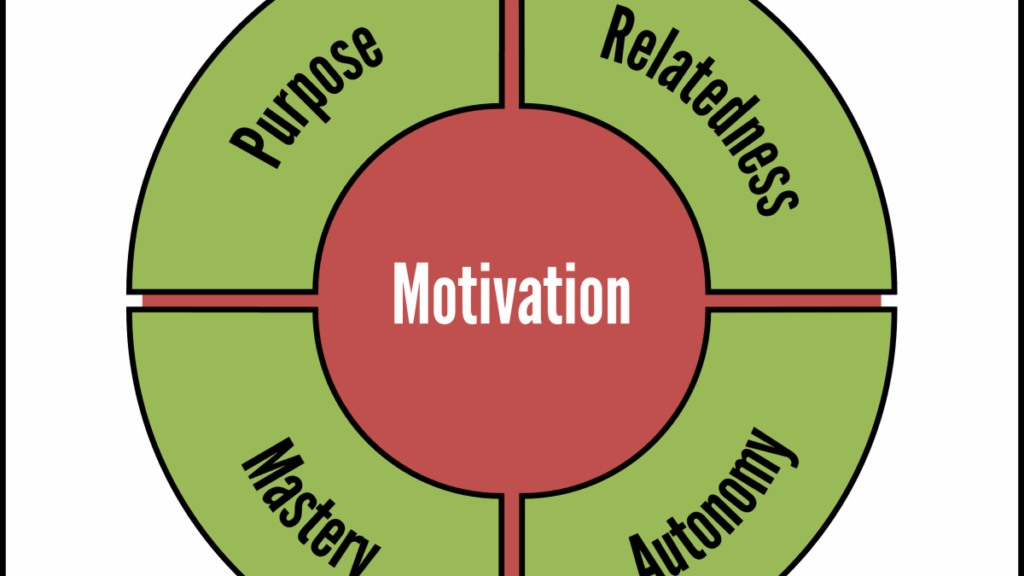
Fig 1: The intrinsic Motivation RAMP – from Gamified UK
Senso: A Gamified Approach to Plant Care
These principles can also be intertwined with the biophilic design field. One example of these principles is Senso, a smart, gamified sensor for plant care. Senso monitors data such as soil moisture, temperature, and sunlight in real time, using artificial intelligence to provide helpful suggestions to the user. The experience is made more engaging thanks to a small pixel-art-style digital character that communicates information and guides the user in caring for the plant. This way, everyday tasks such as watering or controlling the light become more intuitive and less repetitive. Senso transforms plant care into an interactive experience, demonstrating how gamification can improve usability and engagement even in non-gaming contexts.
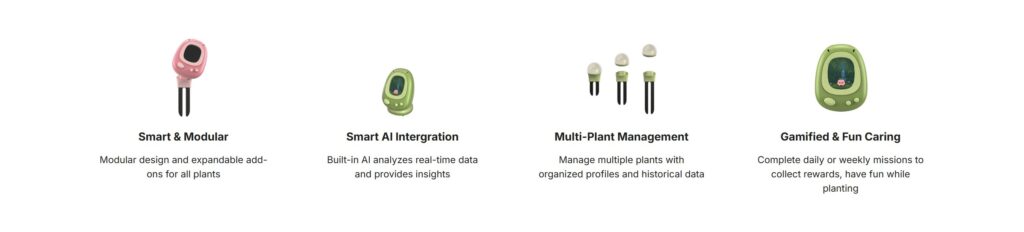
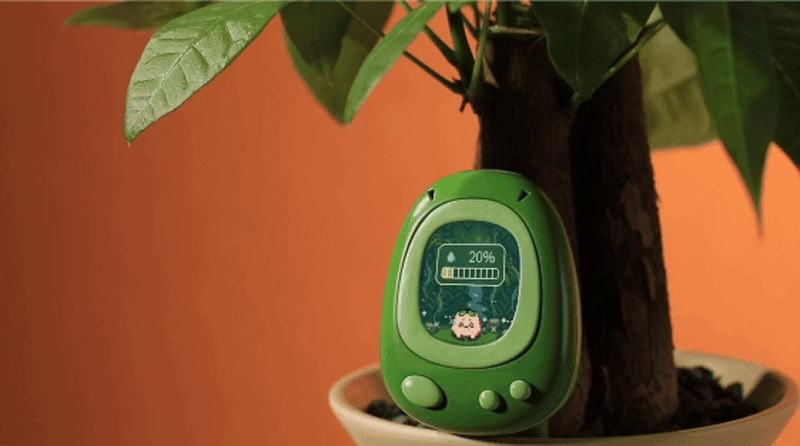
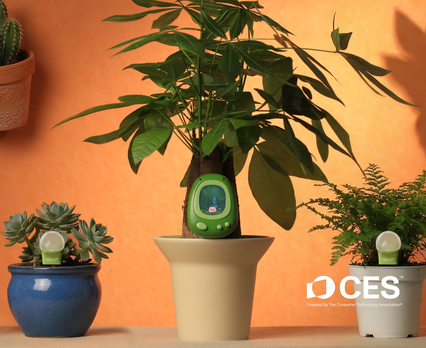
Fig: 2 – Fig 3 – Fig 4: Senso a gamified Plant sensor from Prelaunch
References
[1] S. Rigby and R. M. Ryan, Glued to Games: How Video Games Draw Us In and Hold Us Spellbound. Santa Barbara, CA, USA: Greenwood Press, 2011.
[2] S. Deterding, D. Dixon, R. Khaled, and L. Nacke, “From game design elements to gamefulness: Defining ‘gamification’,” in Proc. 15th Int. Academic MindTrek Conf.: Envisioning Future Media Environments, Tampere, Finland, 2011, pp. 9–15, doi: 10.1145/2181037.2181040.
[3] Beyond Pixels, “CES 2026: Pflanzen-Fans freuen sich auf den Senso,” [Online]. Available: https://www.beyondpixels.at/ces-2026-pflanzen-fans-freuen-sich-auf-den-senso/. [Accessed: Jan. 2026].
[4] Prelaunch, “Senso: Advanced smart gamified plant sensor,” [Online]. Available: https://prelaunch.com/projects/senso-senso-advanced-smart-gamified-plant-sensor. [Accessed: Jan. 2026].
[5] YouTube, “Senso – Advanced smart gamified plant sensor,” [Online Video]. Available: https://www.youtube.com/watch?v=7llLgiiQa2A. [Accessed: Jan. 2026].
