Introduction
How can feedback and gamification make plant care more intuitive?
In recent years, a growing number of projects have sought to simplify complex everyday tasks by integrating new technologies into daily life.
CES (Consumer Electronics Show) is one of the most important international conferences dedicated to technological innovation. CES 2026, held in Las Vegas, showcased numerous projects related to wellness, smart homes, and sustainability. Among these, one of the most interesting was LeafyPod, a smart vase that combines technology, design, and nature.
In this article, we’ll explore why LeafyPod is a good example of how feedback and gamification can improve the plant care experience, making it more intuitive, engaging, and learning-oriented.
LeafyPod: A Smart Planter
LeafyPod is a smart pot designed to support the care of indoor plants. Through sensors that detect soil moisture, light, temperature, and environmental conditions, the system provides clear guidance on when and how to intervene.
What’s unique about LeafyPod is that it doesn’t just collect data, but translates it into simple, user-friendly information. Through a dedicated app, users can identify a plant, receive personalized instructions, and track its health over time. The system uses an artificial intelligence engine that learns from the plants’ actual conditions and improves the guidance provided.
This year’s version features an expanded AI engine to support a much larger number of indoor plants. Users can search for any plant by name, explore an ever-expanding global catalog, or take a photo for instant plant identification along with personalized care instructions. [2]

Image 1. App and pot design of LeafyPod from LeafyPod.com
Feedback and gamification
One of the most interesting aspects of LeafyPod is the way it uses feedback to foster learning. The app’s notifications, alerts, and prompts transform plant care into a series of small daily goals.
Gamification isn’t present in the form of explicit games, but through positive micro-interactions: reassuring messages, visible progress, and clear suggestions. This approach helps build a routine and maintain motivation, transforming plant care into a gradual and rewarding experience.
In this way, LeafyPod uses feedback not only to inform, but to guide user behavior, creating continuous interaction.
Downsides of LeafyPod
Despite its innovative approach, LeafyPod also has some limitations to consider. LeafyPod isn’t cheap: individual planters cost tens of dollars, and to work properly with the app and Wi-Fi connection, you often need to purchase an additional Bridge. This can make the initial investment more expensive, especially for those with multiple plants.
According to the official specifications, LeafyPod doesn’t currently integrate directly with smart home systems like Alexa, Google Home, or Apple HomeKit. This limits the possibilities for automation and integration with other devices already present in the home, although such features may be introduced in the future.
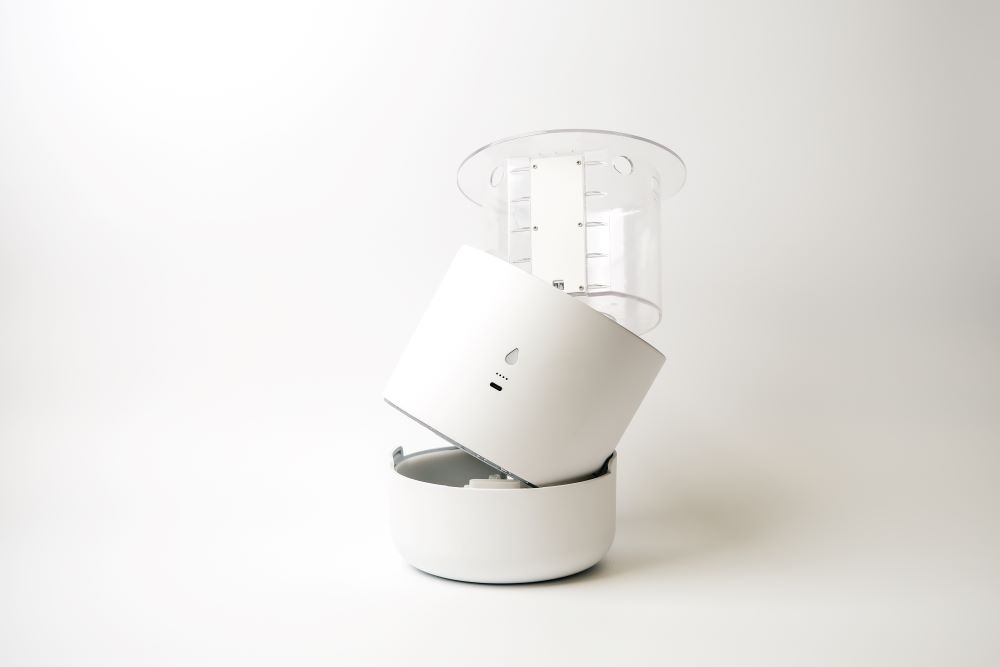
Image 2. Structure of LeafyPod, AI powered smart planter
References
[1] LeafyPod, “LeafyPod – Smart planters for indoor plants,” [Online]. Available: https://www.theleafypod.com/. [Accessed: Jan. 2026].
[2] CES VPORoom, “LeafyPod advances indoor plant wellness at CES 2026 with universal AI plant engine and seamless smart care experience,” Jan. 6, 2026. [Online]. Available: https://ces.vporoom.com/2026-01-06-LeafyPod-Advances-Indoor-Plant-Wellness-at-CES-2026-with-Universal-AI-Plant-Engine-and-Seamless-Smart-Care-Experience. [Accessed: Jan. 2026].
[3] CES VPORoom, “LeafyPod advances indoor plant wellness at CES 2026 with universal AI plant engine and seamless smart care experience,” Jan. 6, 2026. [Online]. Available: https://ces.vporoom.com/2026-01-06-LeafyPod-Advances-Indoor-Plant-Wellness-at-CES-2026-with-Universal-AI-Plant-Engine-and-Seamless-Smart-Care-Experience. [Accessed: Jan. 2026].
[4] Consumer Technology Association, “CES – Consumer Electronics Show,” [Online]. Available: https://www.ces.tech/. [Accessed: Jan. 2026].
