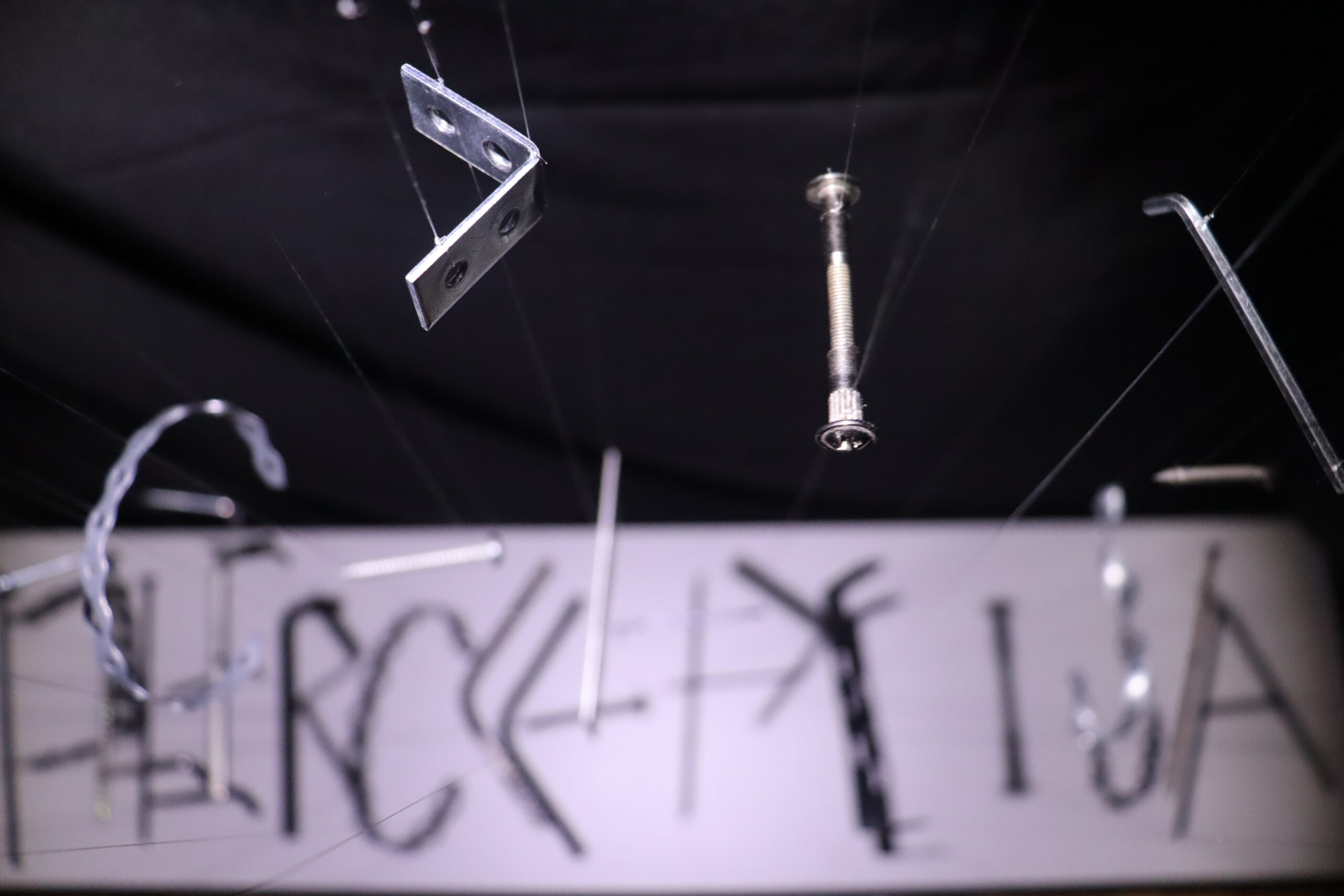
My bachelor’s thesis began with a sentence that stayed with me long before I fully understood its depth: Vision is the art of seeing the invisible. At the time, I was drawn to it intuitively. I was interested in illusion, in the strange and beautiful moments when the eye does not simply register what is in front of it, but actively participates in constructing meaning. What initially fascinated me was the visual effect itself: the possibility that something could appear, disappear, transform, or reveal itself only from a certain position, under a certain light, or through a certain act of attention.
As the project developed, that fascination became material. I explored different types of illusion and translated them into installations, allowing visual ideas to become spatial experiences. What had started as a conceptual and aesthetic interest gradually became something more complex once it entered the space of public encounter. The work no longer belonged only to me. It was confronted by viewers, by expectations, by doubt, and by reaction.
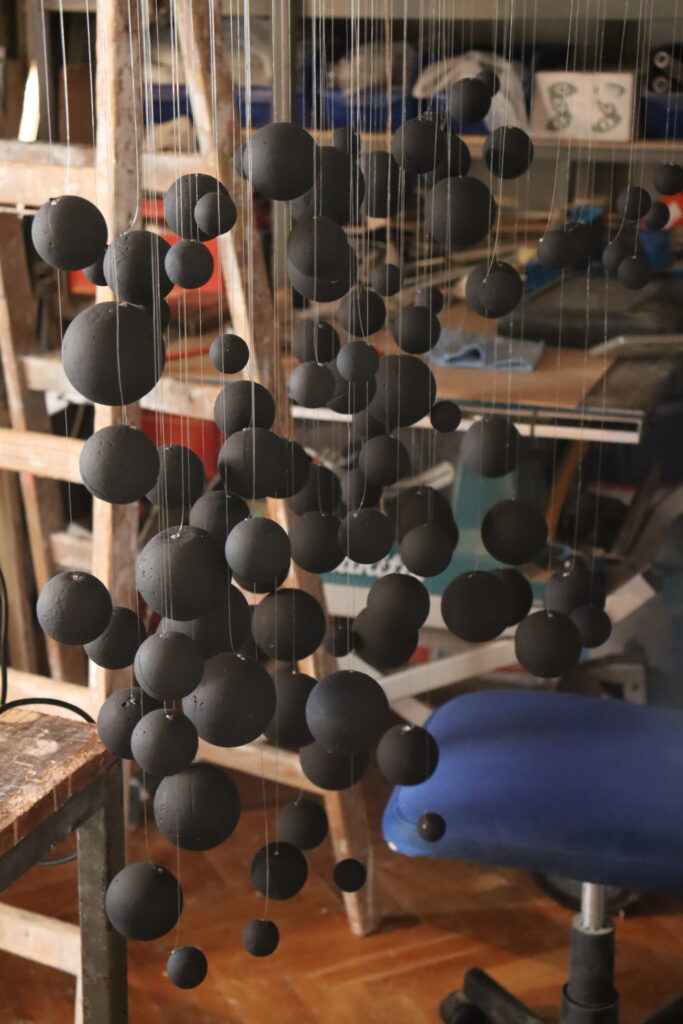
One of the most important parts of that experience was the response it provoked. At first, many people approached the idea with skepticism. Some did not immediately understand where it was leading, and others seemed unsure whether illusion could carry enough conceptual weight to become a serious field of inquiry. I remember this clearly, not as discouragement, but as part of the work’s life before completion.
But once they were finished, something shifted. The same hesitation that had surrounded the project seemed to turn into curiosity. People stopped longer. They looked again. They asked questions. What interested me most was not that everyone reacted positively in the same way, but that each reaction was different. Some viewers were intrigued by the technical aspect, others by the surprise of recognition, and some seemed affected by the experience in a more emotional or reflective way. It became clear to me that illusion does not simply deceive the eye. It creates a pause. It interrupts automatic perception. It asks the viewer to become active.
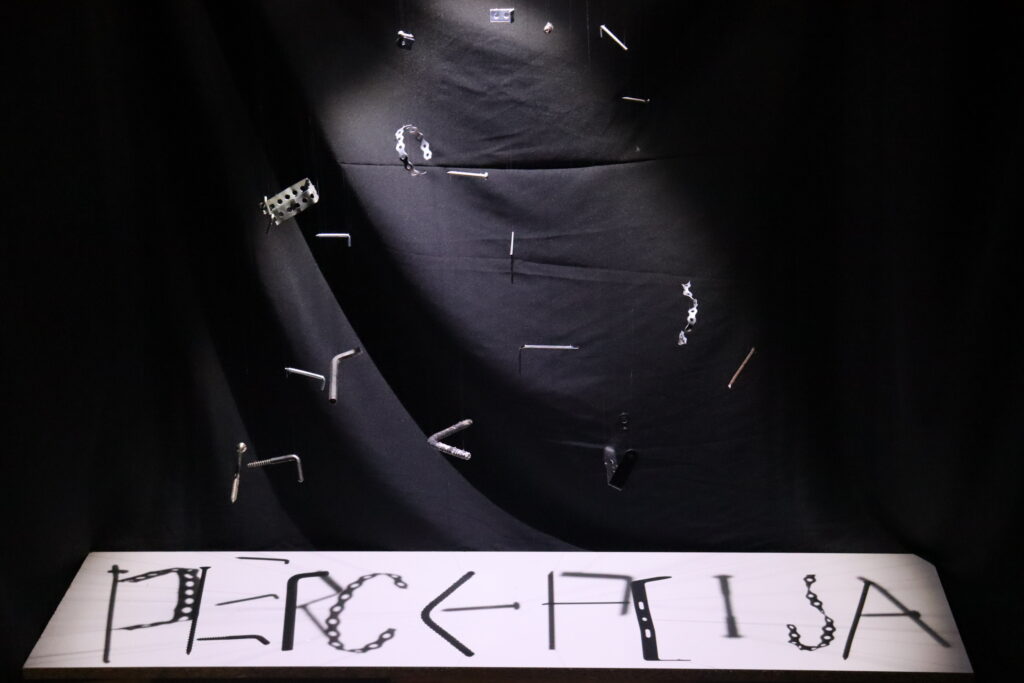
That moment stayed with me. It made me wonder whether illusion should really be understood only as a visual trick, or whether it might be part of a much broader language of communication. Why do people become so engaged when an image or object withholds its meaning for a moment? Why does ambiguity invite attention instead of pushing it away? And why does the act of “finally seeing” something produce such a strong reaction?
