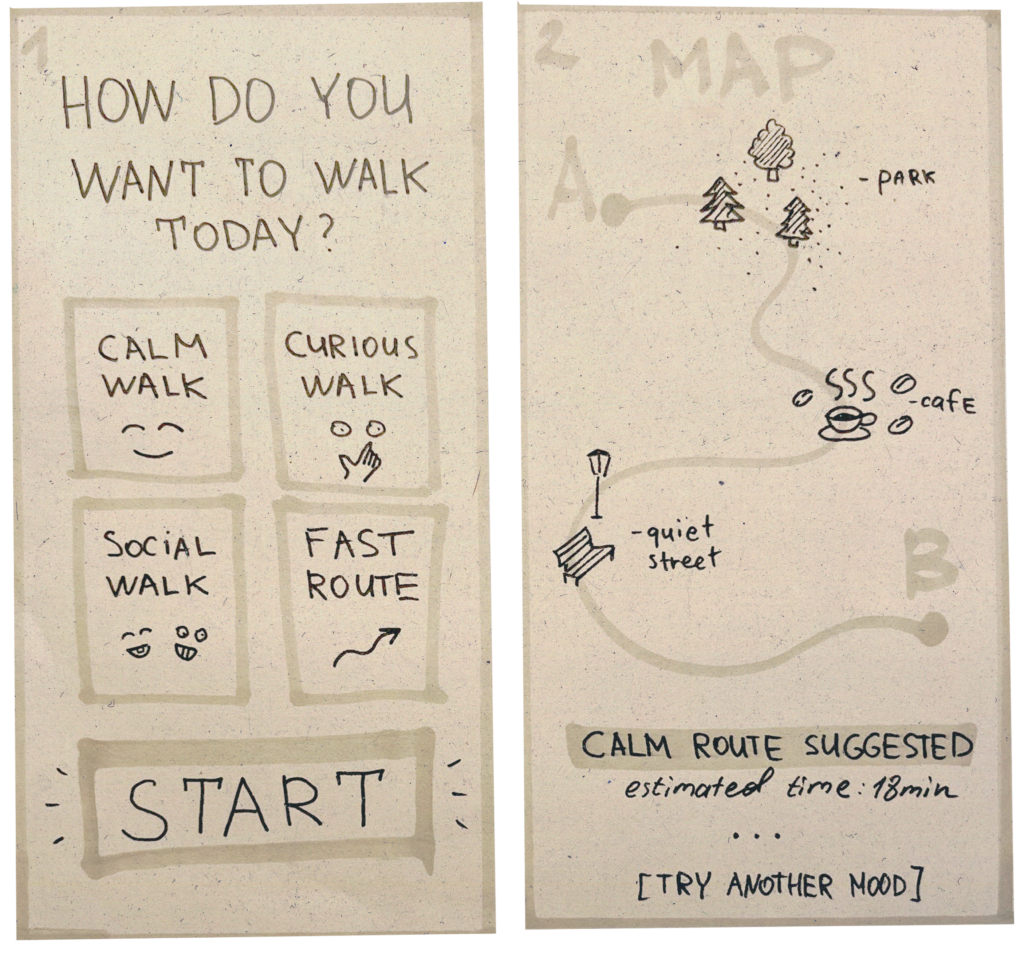
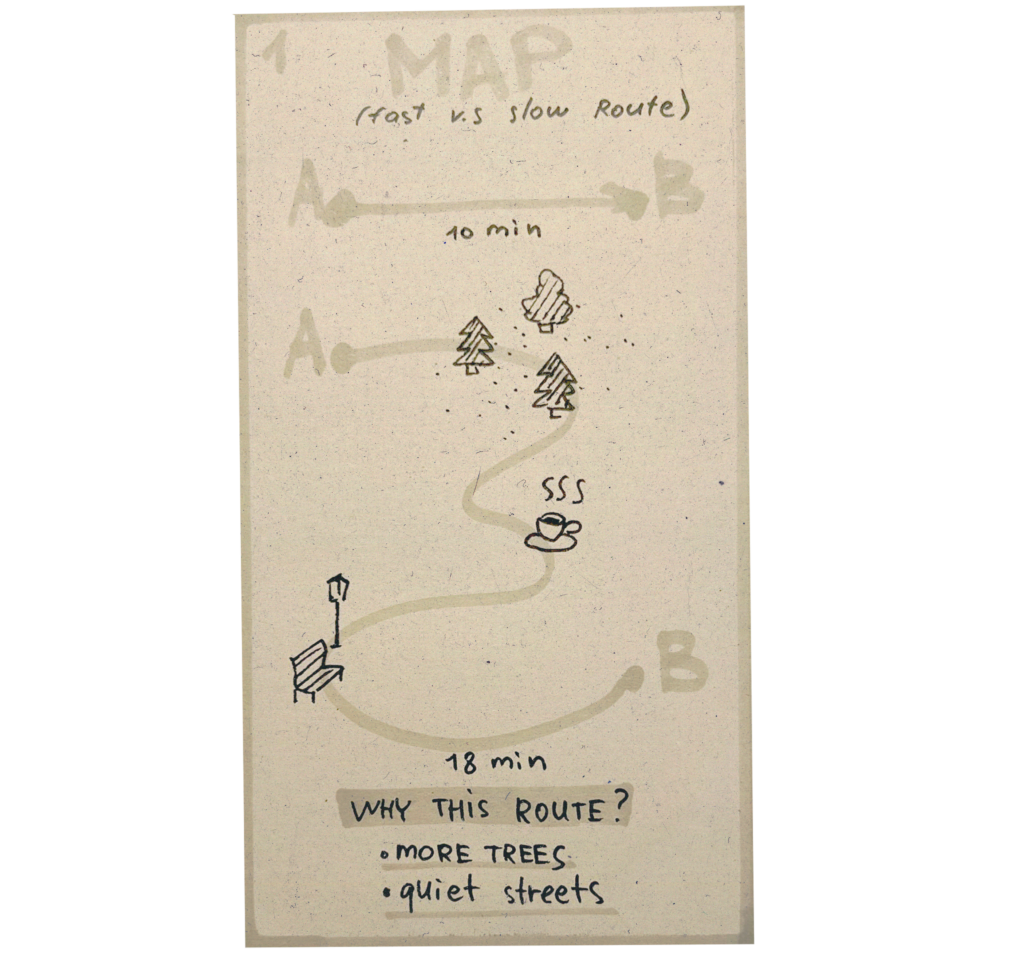
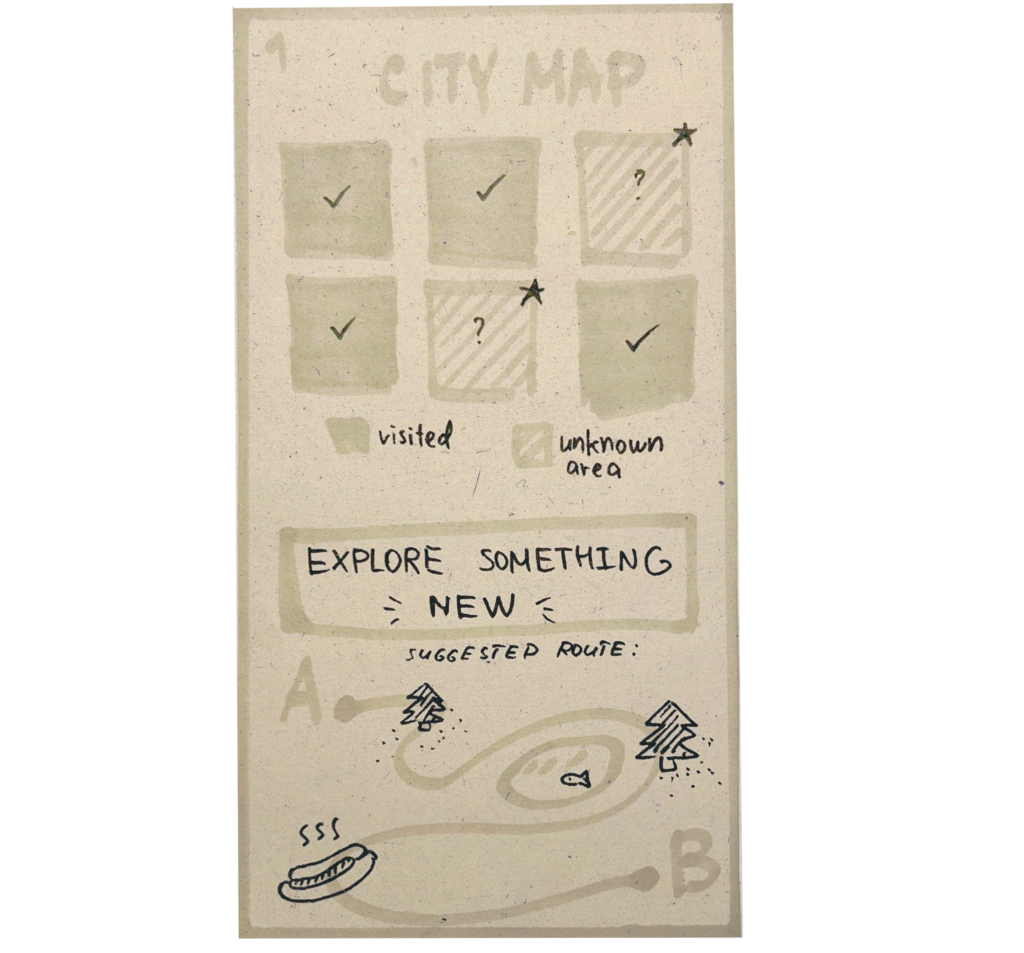
PROTOTYPING – Design & Research II (Birgit) – 1/6

5# Product & Business Idea – Design & Research II (Katerina)

Thanks! 🙏

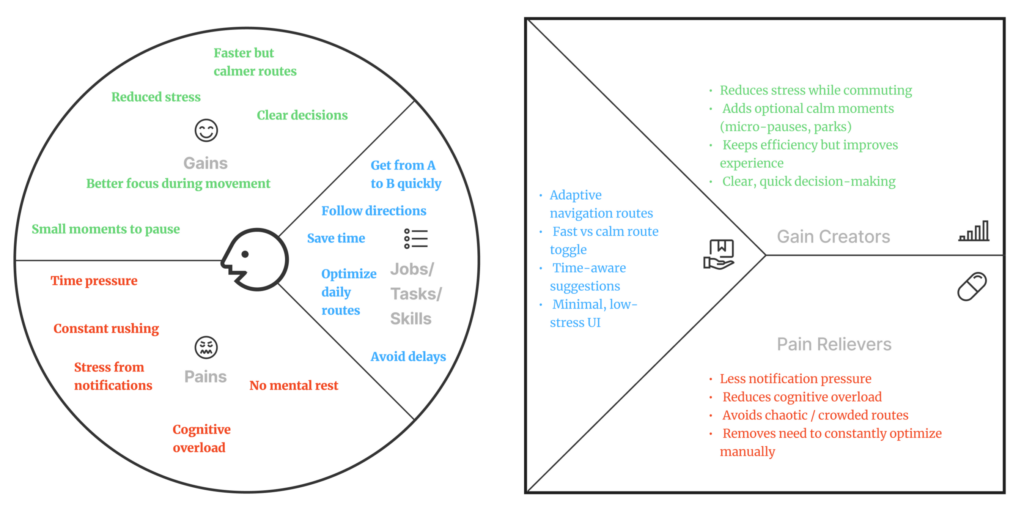
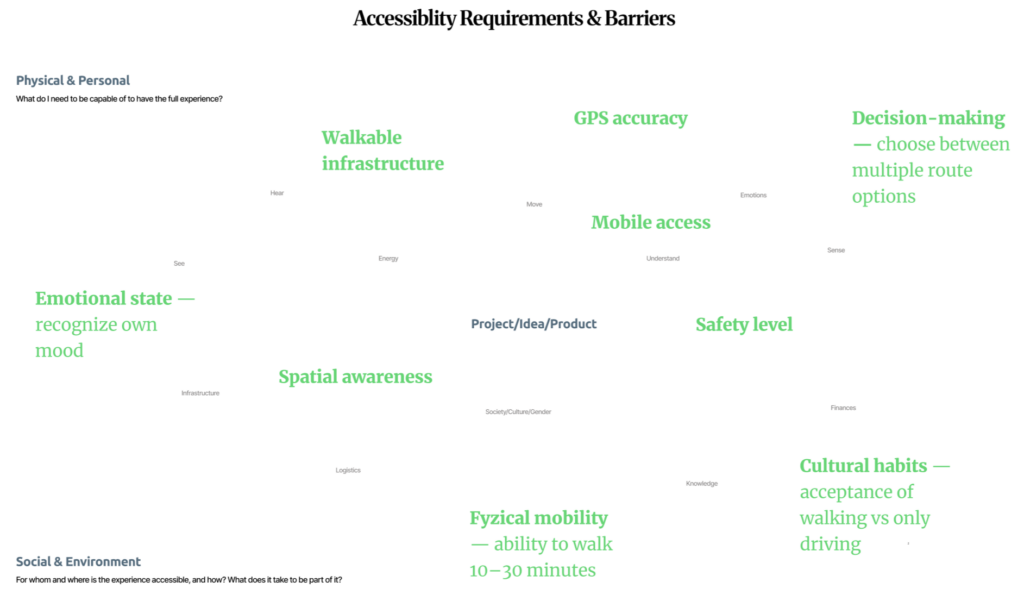
4# Customer Profile & Value Proposition Map – Design & Research II (Katerina)

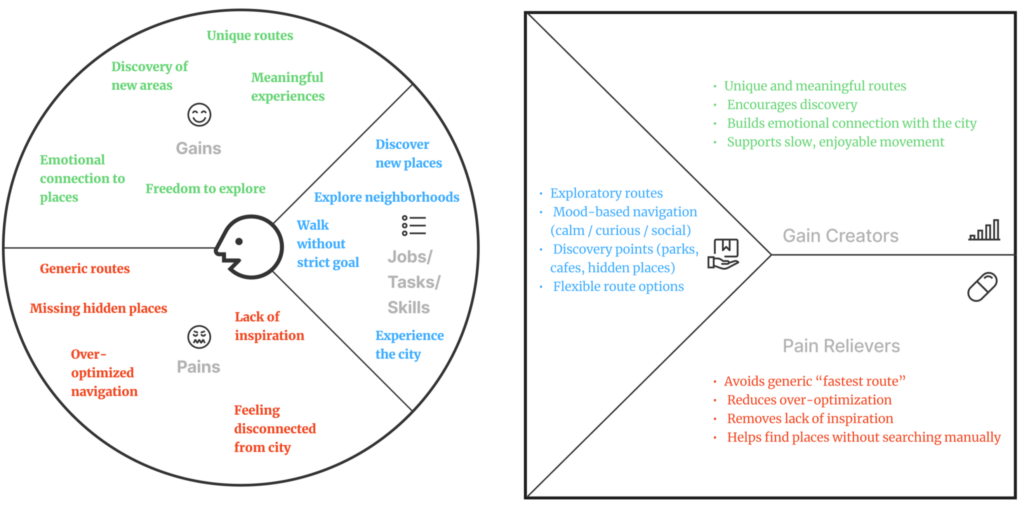
3# Inclusion & Accessibility – Design & Research II (Katerina)

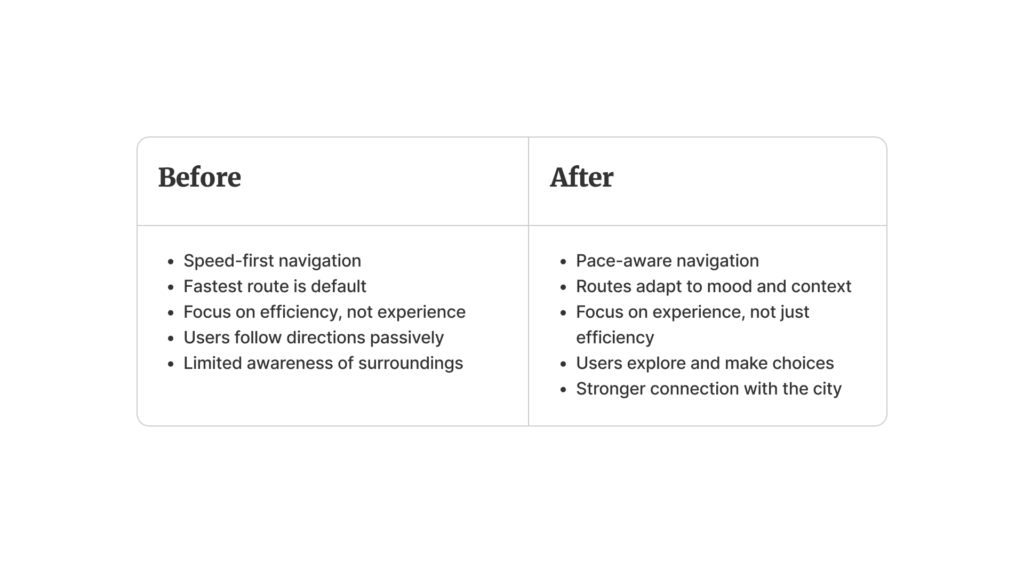
#2 Change & Impact – Design & Research II (Katerina)

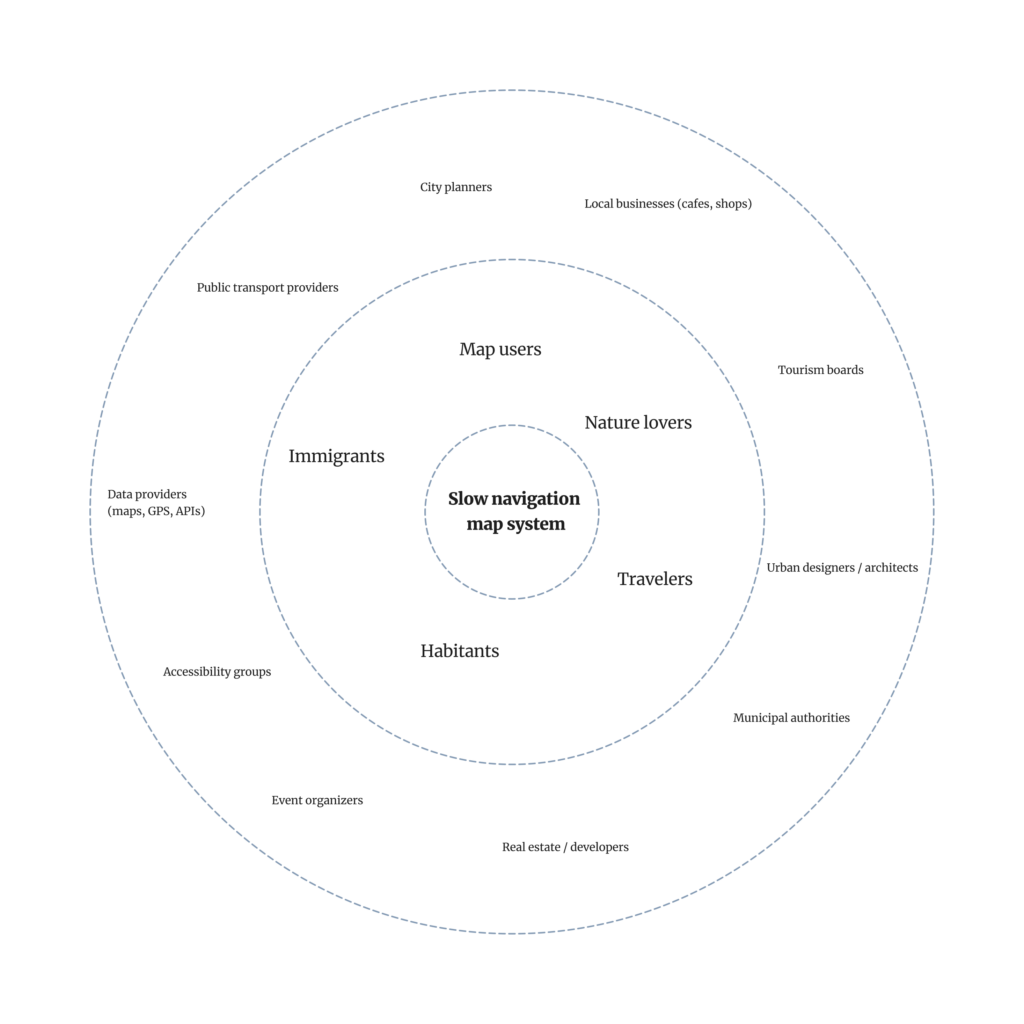
#1 System Map – Design & Research II (Katerina)

Drink Smart and Keep Calm: Technology that Stays in the Background – Part III

From Concept to Prototype: Planning a Calm, Tangible Drinking Reminder

After introducing ubiquitous computing, tangible user interfaces, and calm technology through the example of a smart water glass, the next step is to explore how such a concept could be translated into a physical prototype. Rather than focusing solely on technical feasibility, the planned smart coaster is intended as a design-driven experiment — one that combines physical prototyping with a human-centered design (HCD) process.

The goal is not to build a “perfect” product, but to create a functional artifact that allows the underlying interaction principles to be examined, questioned, and refined.

Framing the Problem in Its Usage Context

The initial motivation for the project stems from a common everyday situation: forgetting to drink water while working or studying. Existing solutions, such as hydration reminder apps, typically rely on push notifications, sounds, or vibrations. While effective in theory, these mechanisms often interrupt users at inopportune moments and shift attention away from the current task toward a screen.

Before committing to a specific technical solution, I would usually start the project by planning a usage context analysis. This would involve observing when and where drinking usually happens, how glasses are positioned in work environments, and how people react to reminders during focused tasks. As the design proposal has already been introduced, I move directly into this idea rather than conducting a full exploratory phase. The underlying assumption is that drinking is already embedded in physical routines and object interactions—making it a promising candidate for a tangible, environment-based interface.

Planned Human-Centered Design Approach

The development of the smart coaster is intended to follow a simplified human-centered design (HCD) process:

  1. Empathize & UnderstandThe process would begin with self-observation and informal conversations to gain insight into why drinking is often forgotten and how existing reminder systems are perceived in everyday situations.
  2. DefineBased on these initial insights, the core design challenge can be formulated as:How might a drinking reminder support hydration without interrupting or demanding attention?
  3. IdeateThe ideation phase would focus on identifying calm forms of feedback. Different modalities—such as light, sound, or subtle movement—would be explored and evaluated in terms of intrusiveness, social acceptability, and perceptibility in the periphery of attention.
  4. PrototypeA low- to mid-fidelity prototype of a smart coaster is planned as a tangible representation of these concepts, allowing interaction principles to be examined in a physical form.
  5. EvaluateShort, qualitative user testing sessions are intended to help validate assumptions and inform iterative refinement of the interaction and feedback design.

Technical Implementation as Design Medium

The planned prototype combines accessible digital fabrication and physical computing tools:

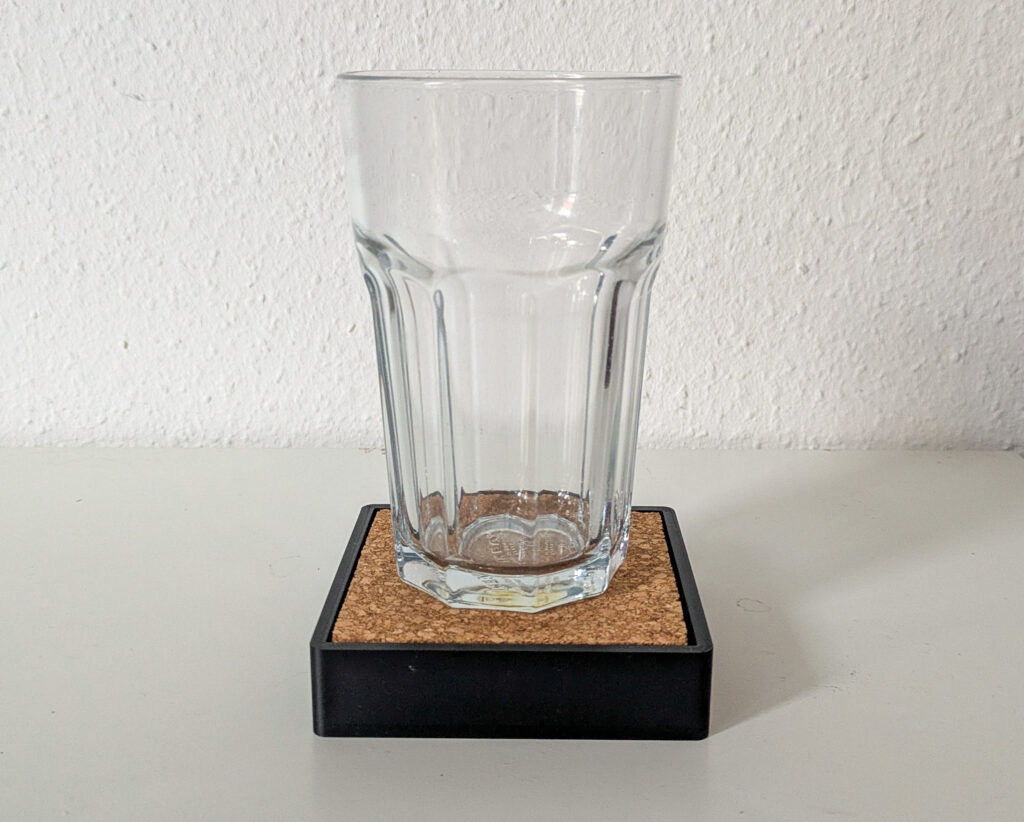
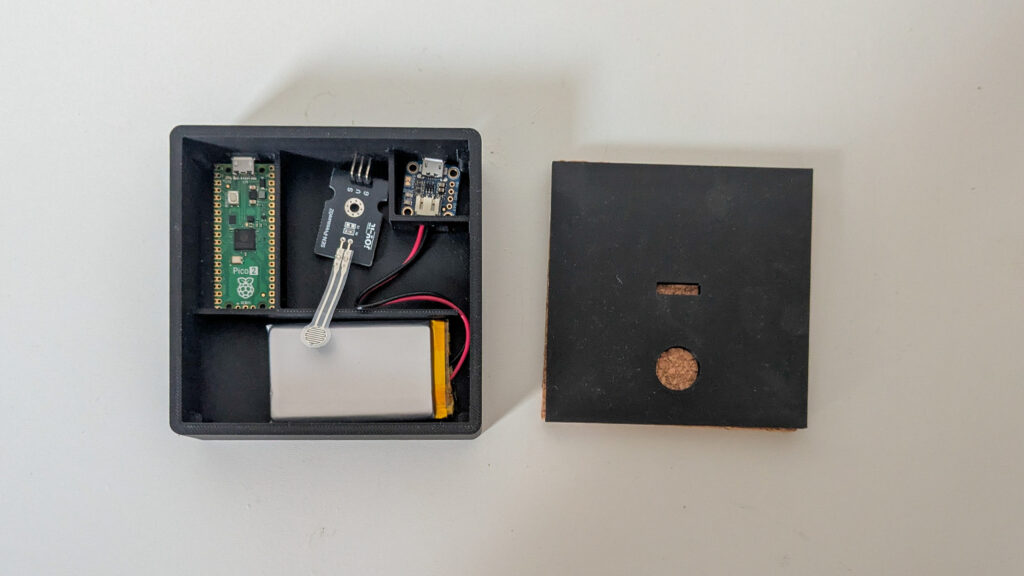
  • 3D-printed coaster, designed to visually blend into everyday environments.
  • pressure sensor to detect the presence or absence of a glass.
  • Raspberry Pi Pico as the microcontroller handling timing and state logic.
  • Subtle ambient feedback, such as low-intensity light, to communicate reminders without explicit alerts.

Importantly, the technical setup is intentionally kept minimal. This aligns with calm technology principles by reducing complexity and ensuring that the coaster remains usable even if the digital components fail.

Planned User Testing and Evaluation

Rather than large-scale usability testing, the project is intended to rely on small, qualitative user tests. Participants would use the coaster in desk-based work scenarios and reflect on their experience afterward.

The evaluation would focus less on performance metrics and more on experiential questions:

  • Was the reminder perceived as intrusive?
  • Did it remain in the periphery until needed?
  • How did it compare emotionally to phone-based reminders?

These observations are expected to inform whether the concept successfully embodies calm interaction.

Conceptual Comparison: Coaster vs. App

As part of the analysis, the smart coaster will be conceptually compared to traditional drinking reminder apps. While apps centralize interaction on a screen, the coaster distributes interaction into the environment. This comparison serves to highlight how tangible interfaces and ubiquitous computing shift responsibility from the user to the surrounding system.

Outlook

By planning the smart coaster as both a technical prototype and a research artifact, the project aims to explore how calm technology principles can be operationalized in everyday objects. The focus remains on how interaction feels, rather than how much functionality is added — reinforcing the idea that sometimes, the most effective technology is the one that stays quietly in the background.

References:
  • Weiser, M., Seely Brown, J. (1995): “Designing Calm Technology“, Xerox PARC
  • Weiser, M., Seely Brown, J. (1996): “The Coming Age of Calm Technology“, Xerox PARC
  • Case, A. (2015): “Calm Technology: Principles and Patterns for Non-Intrusive Design
  • https://calmtech.com
  • Human-Centered Design nach ISO 9241-210:2019

AI Assistance Disclaimer:

AI tools were used to improve grammar and phrasing. The ideas, examples, and content remain entirely the author’s own.

Finding our way without rushing 10/10

Slowness in Navigation: How Maps Shape the Way We Move 9/10

Disadvantages:
➖ As a rule, it supports a functional rhythm focused on daily travel: fast, straightforward, problem-solving.

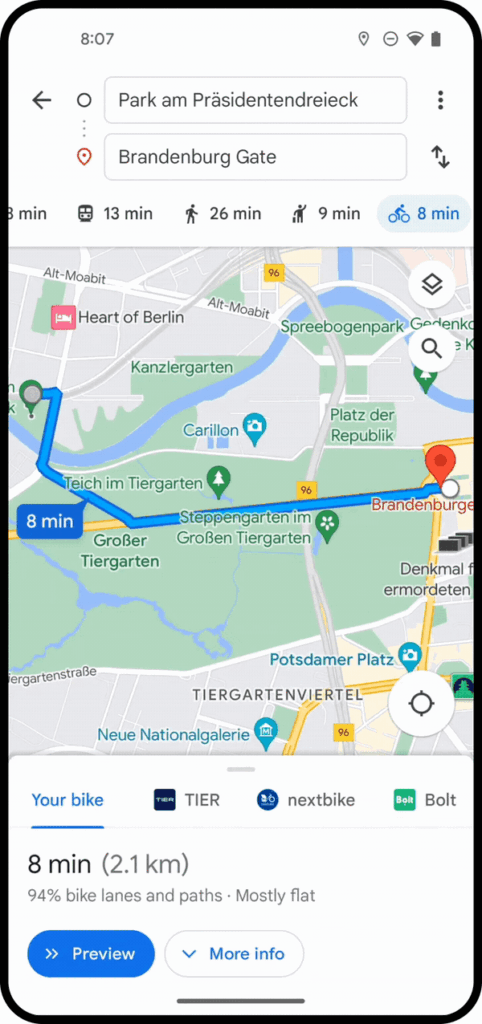
Google maps
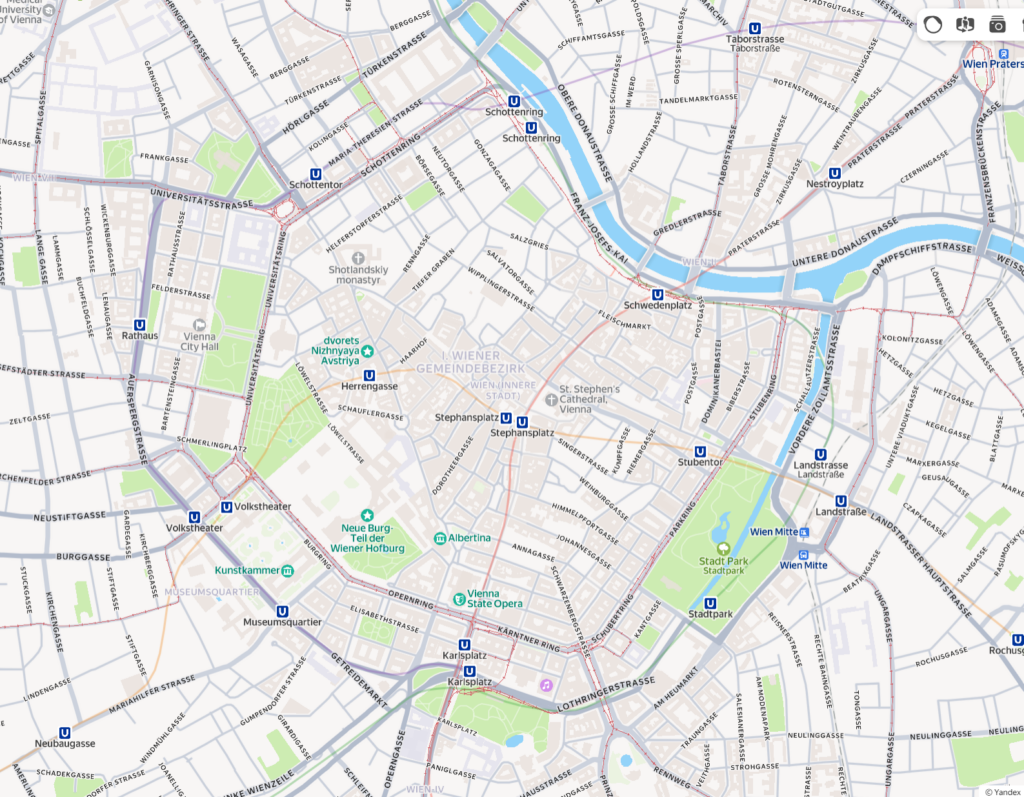
Yandex maps
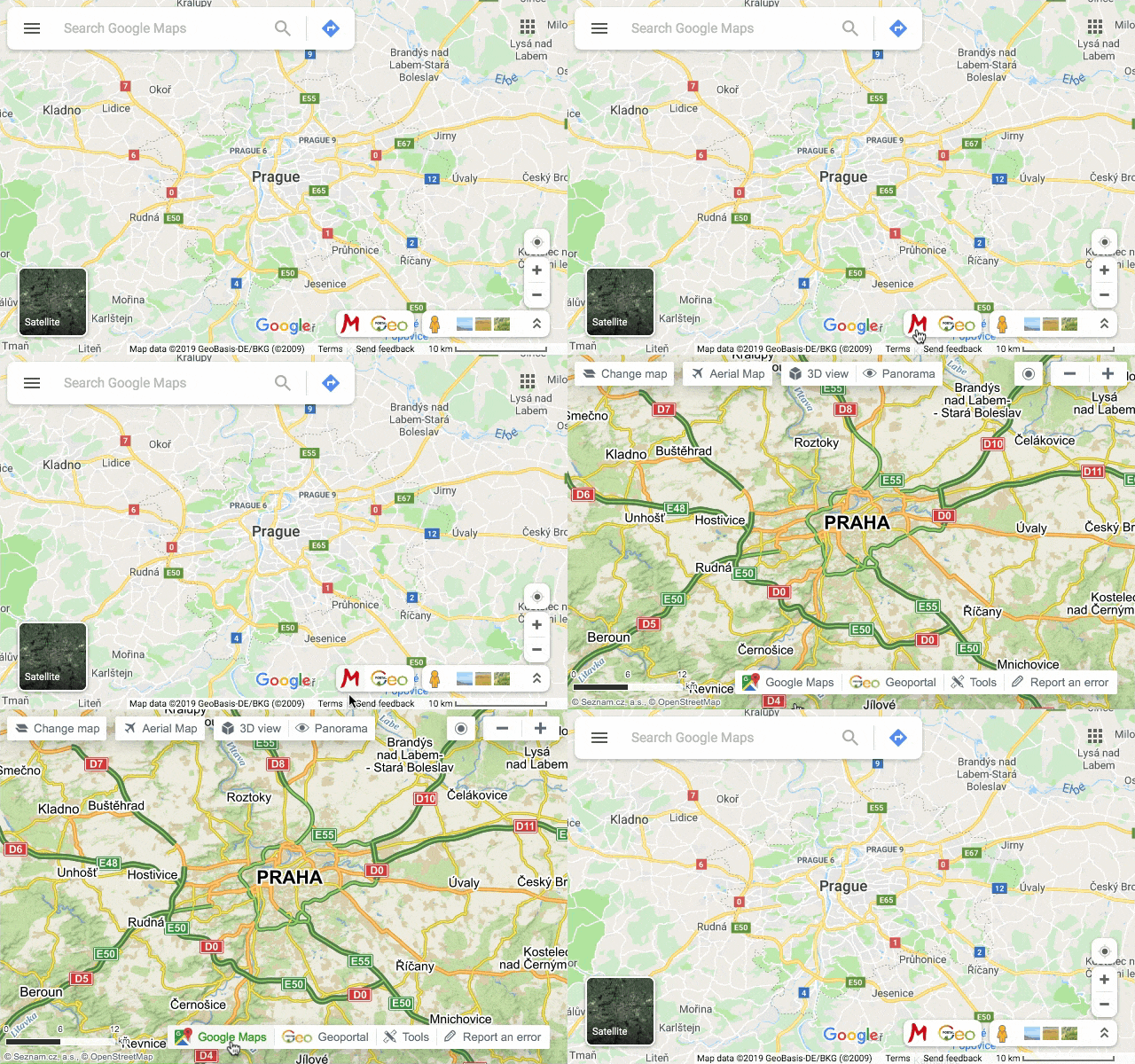
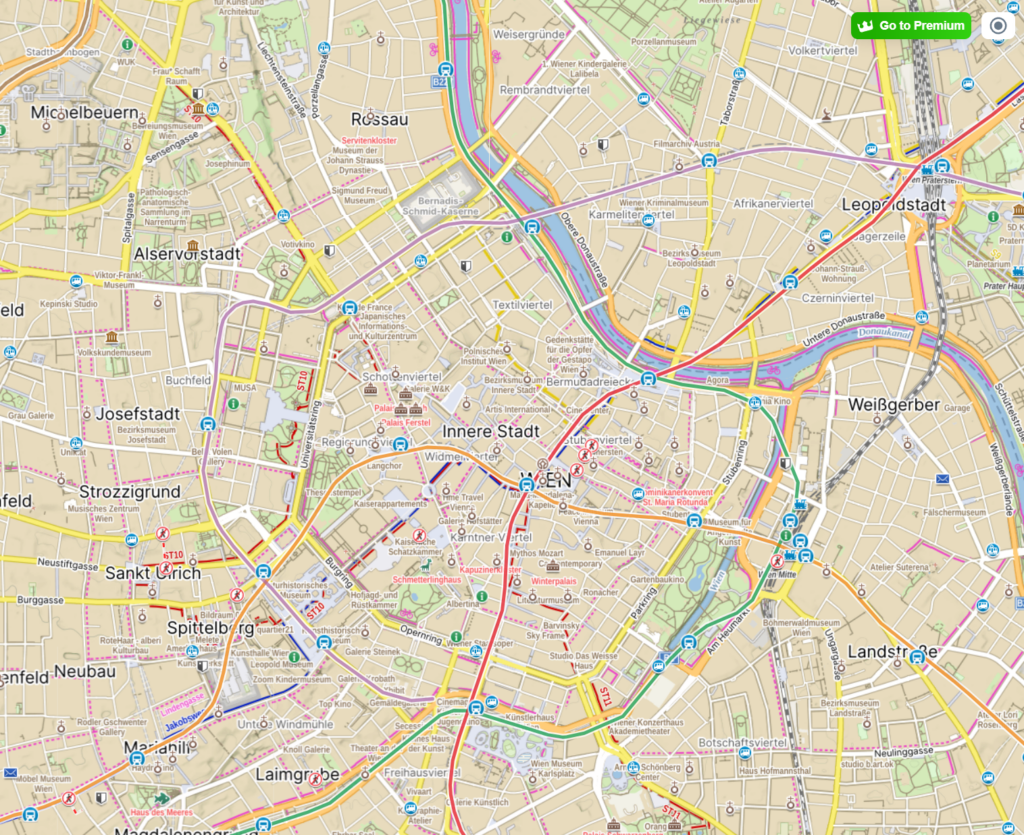
Mapy.cz

The City as a Designed System: Architecture, Space, and Pace 8/10