The Trimm-Dich movement was launched on 16 March 1970 as a campaign to encourage the general public to take up more physical activity with the slogan ‘Trimm Dich durch Sport’ (Get fit through sport). Jürgen Palm, long-time managing director of popular sports at the DSB, and sports physician Wildor Hollmann were particularly involved in this initiative. After the economic miracle, a prosperous society had established itself in Germany, in which obesity and cardiovascular diseases were on the rise. The aim was to counteract this situation through sport and exercise. Until then, sport had been strongly performance-oriented and was only practised in the context of competitions. The Trimm-Dich campaign succeeded in establishing popular sport. Older people, overweight people and less able-bodied people were also encouraged to exercise, and sport became a leisure activity for the first time. Within a few years, 9 million citizens of the Federal Republic of Germany were encouraged to take up active sports.
Why it was so successfull
The campaign’s great success can be attributed to the fact that it perfectly captured the spirit of the times. The 1972 Olympic Games in Munich sparked widespread enthusiasm for sport among the general public and contributed to the success of the Trimm-Dich movement. In addition, Germans had more free time available due to the reduction in working hours, which meant that a general change in lifestyle took place. The campaign was known to 94% of the total population and 99% of young people.
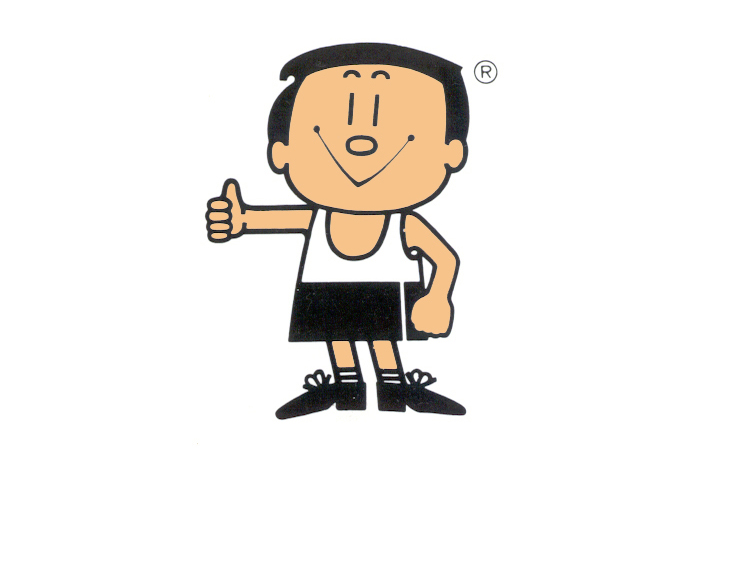
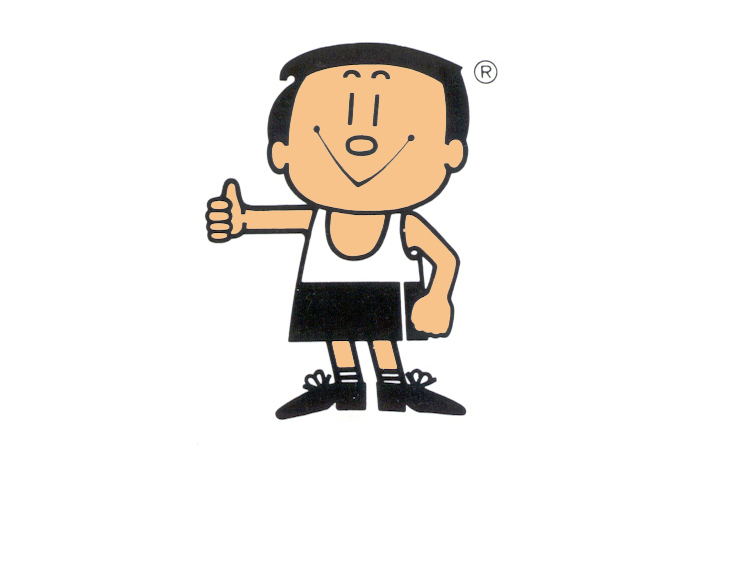
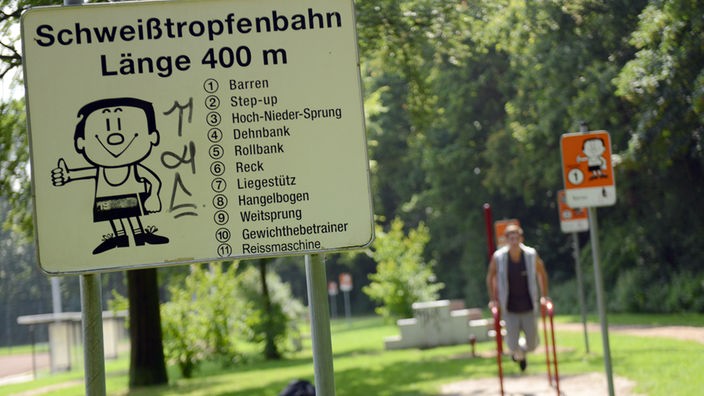
In addition to TV commercials, there was also a mascot, ‘Trimmy’, who was shown in various outfits and participating in a wide range of sports. To this day, Trimmy is the mascot of the DOSB, the German Olympic Sports Confederation.
The longterm effects of the campaign
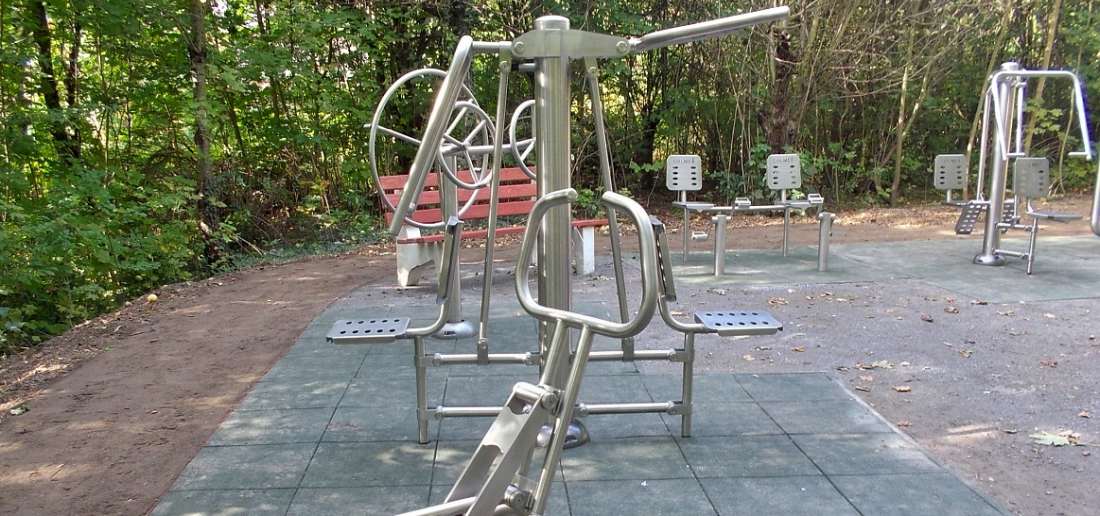
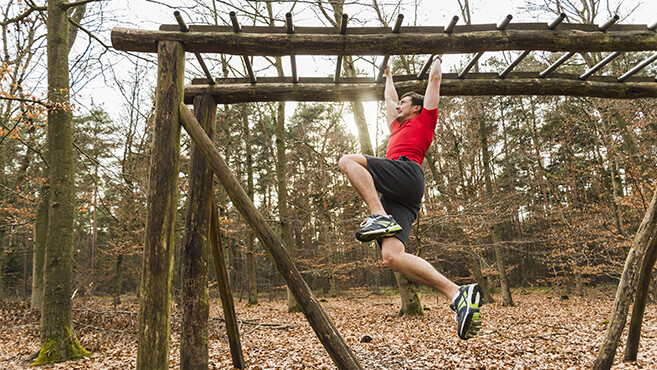
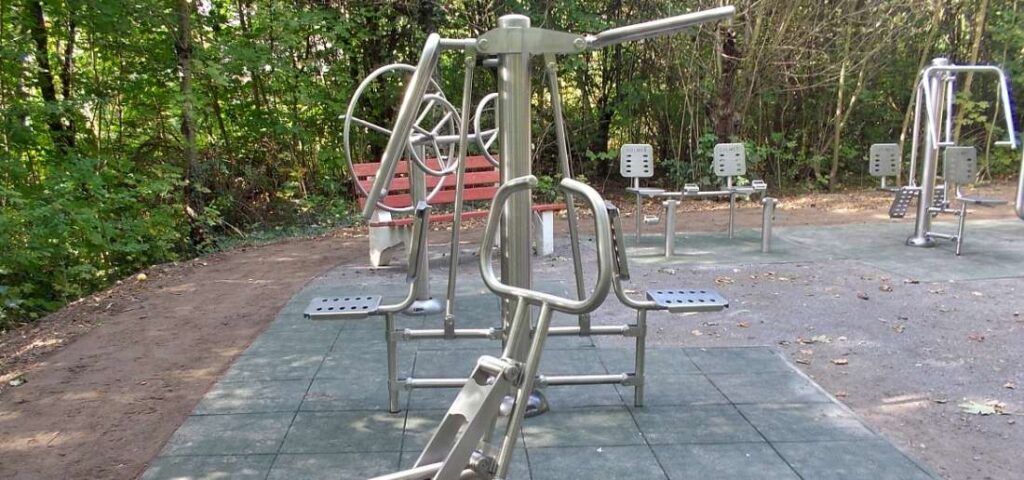
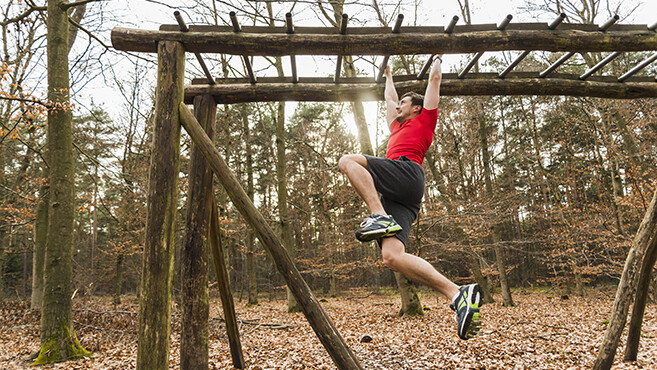
The most visible effects of Trimm-Dich were the numerous fitness trails that were built in many places in the 1970s, modelled on the Swiss Vitaparcours: in Germany, there were around 1,500 Trimm-Dich facilities in the 1980s. At the same time, the first informal running groups were formed, which met outside of sports clubs to go running. The Trimm-Dich campaign initially caused concern among sports clubs, as they feared a decline in membership numbers. In the long term, however, the campaign led to clubs increasingly focusing on popular sports. They changed their programmes and set up non-competitive activities for the general public, families, children and women, which were geared solely towards exercise in leisure time. The Trimm-Dich movement had a significant impact on sports clubs as we know them today and was the catalyst for the fitness wave that continues to this day.

Sources
- Bröker, Jürgen: Trimm Dich. Das Männlein, das uns Beine machte. URL: https://www.spiegel.de/geschichte/trimm-dich-a-948026.html (Last accessed on 20/11/2025)
- Wikipedia: Trimm-dich-Bewegung. URL: https://de.wikipedia.org/wiki/Trimm-dich-Bewegung (Last accessed on 20/11/2025)
Image Sources
- 1) https://cdn.dosb.de/alter_Datenbestand/Bilder_allgemein/Logos/DOSB/Trimmy-vor-40Jahren.jpg
- 2) https://www.freisport.de/media/0a/ce/77/1664273169/fitnesspark-wald-freisport.jpg
- 3)https://d1q8ayifrecoel.cloudfront.net/public/25e647c8ce88da924757e2bf95b70fafcadc0a83/Sport_%2522Trimm%20dich%2522_imago64311624h-657×370.jpg
- 4) https://www1.wdr.de/radio/1live/events/trimmdich104~_v-gseapremiumxl.jpg