3. Emotional Design in Practice

The productivity continuous! And for once, I finally overcame my procrastination.

At least I think so… Let’s dive in!

In my previous blog posts, I introduced emotional design and explained why emotions play such an important role when we interact with products and interfaces. I also mentioned the three levels of emotional design described by Don Norman. In this post, I want to move a bit away from theory and talk about how emotional design shows up in everyday situations that many of us know very well.

When I started paying attention to emotional design, I realised how often design influences my mood without me even noticing. Sometimes it makes me feel excited, sometimes relaxed, and sometimes just annoyed enough to close an app or website immediately.

Visceral Design

aka “Love (or Hate?) at First Sight”

Visceral design is about first impressions. It is that very first moment when you see something and instantly have a feeling about it (vgl. Norman 2004, S. 19).

I notice this especially with book covers. When I browse through books in a store or online, I usually decide within a few seconds whether a book interests me or not. Some covers feel inviting right away. I cannot always explain why, but they create a certain mood that makes me want to take a closer look. This reaction happens automatically, without much thinking, which shows how strongly visceral design influences first impressions.
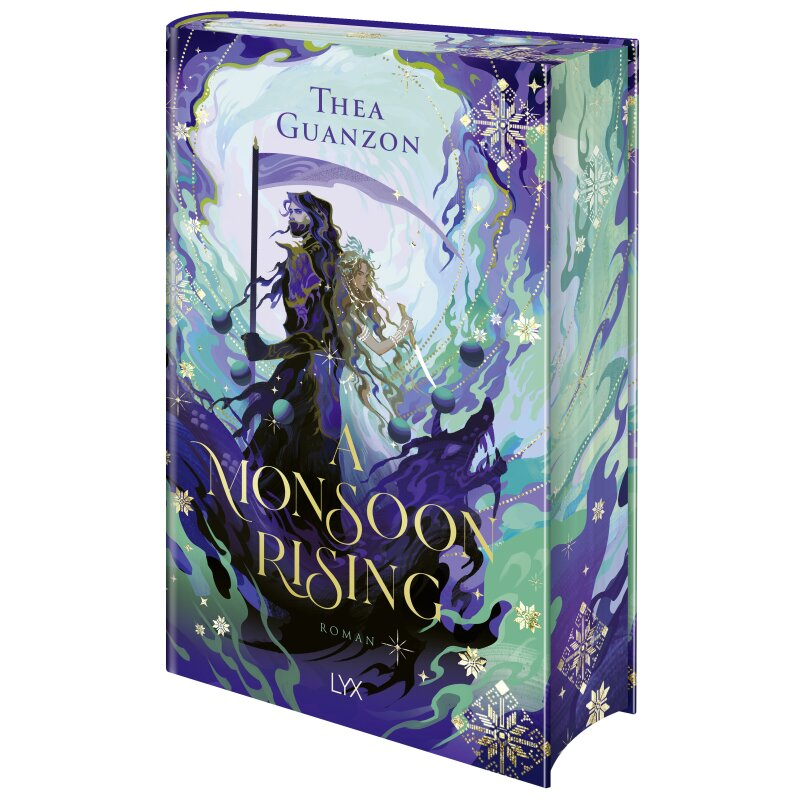
Source: https://www.dein-buchladen.de/media/image/product/30694/lg/guanzon-thea-the-hurricane-wars-2-a-monsoon-rising-hc.jpg

On the other hand, I have also experienced the opposite. Some posters or websites feel overwhelming in an instant. Too many colours, different fonts, a confusing layout. Instead of feeling curious, I feel stressed. In these moments, I often leave within seconds, even if the content might actually be useful. The first impression already ruined the experience.

Behavioural Design

Behavioural design becomes noticeable once we start using a product. This is where emotions like satisfaction or frustration show up very quickly (vgl. Norman 2004, S. 23).

A positive example I often think about is the onboarding experience of a new smartphone. Turning on a new device usually feels exciting, but it could also be overwhelming. Step-by-step guidance, clear instructions, and friendly messages make the setup process feel easy and reassuring. Instead of feeling lost, I feel supported and in control, which makes the whole experience enjoyable.
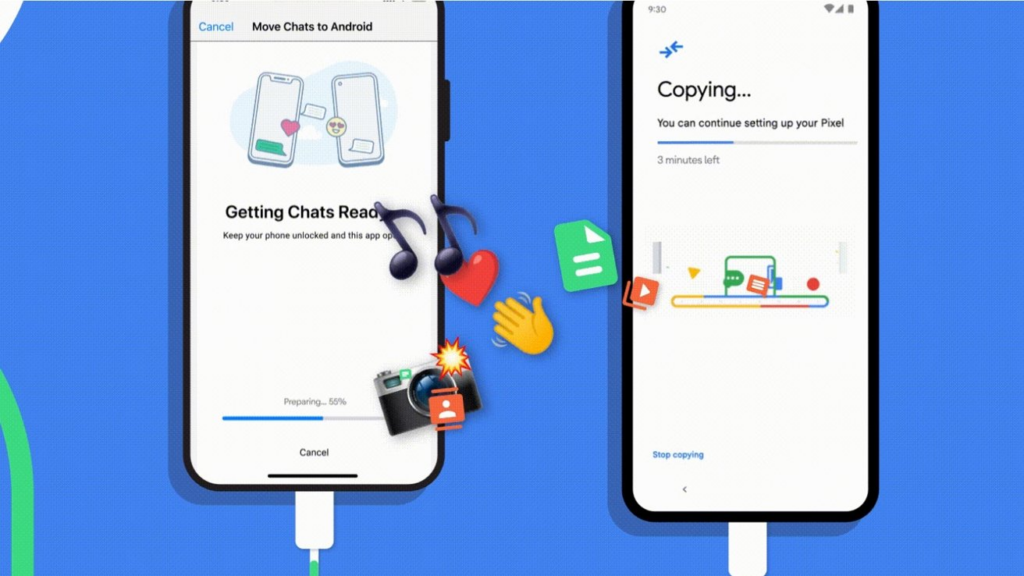
Source: https://photos5.appleinsider.com/gallery/45294-88129-211026-WhatsApp-xl.jpg

A negative behavioural experience is something I know all too well. Apps or websites that do not work the way I expect them to. Buttons are hard to find, settings are hidden, or error messages appear without explanation. Even if the design looks nice, these moments quickly turn curiosity into frustration. And once I am frustrated, I rarely want to keep using the product.

Reflective Design

Reflective design is about how we remember an experience later and what meaning it has for us (vgl. Norman 2004, S. 38).

A very strong positive example for me is the video game It Takes Two. The game is designed to be played together and focuses heavily on cooperation and communication. What stayed with me was not only the gameplay, but the shared experience itself. I remember who I played with, the conversations we had, and how the story made us feel.

Source: https://www.playstation.com/de-at/games/it-takes-two/

Negative reflective experiences usually come from what happens after using a product. Poor customer service, hidden costs, or broken promises often leave a bad feeling. Even if the product worked fine, these memories dominate. When I think back, I mostly remember the frustration.

Thinking about these examples made me realise that emotional design is not abstract at all. It shapes how we feel in the first second, during use, and long after an experience is over.

For designers, paying attention to these emotional moments can make a huge difference. Emotional design can turn everyday products into meaningful experiences or, if done poorly, into something people want to forget as quickly as possible.

2. Why Emotions Influence Design More Than Logic

In my first blog post, I talked about what emotional design is and why emotions play such an important role when we interact with products or interfaces. While writing it, I realized that emotions don’t just influence how something feels in the moment, but also how we make decisions and remember experiences afterwards.

In this post, I want to look a bit deeper into why emotions often have more influence on our behaviour than logic. To better understand this, it helps to take a short look at how our mind actually works and how decisions are made in everyday situations.

Modern psychology shows that emotions guide attention, decision-making, and memory. Kahneman (vgl. 2011, S. 21-51) explains this through a dual-system model: System 1 operates intuitively and emotionally, while System 2 processes information more consciously. Because most everyday interactions happen at the fast, intuitive System-1 level, emotional cues heavily shape the behaviour of the user.

Emotional responses are quicker and more influential than cognitive evaluations (vgl. Norman 2004, S. 13). This means that a product that feels for example trustworthy and friendly is more likely to be perceived as easier to use, even when functionality is identical to a product that does not evoke those feelings (vgl. ebda., S. 17-18).

However, emotions influence not only the moment of interaction but also future behaviour (vgl. ebda., S. 38, 65).

When a customer reflects on the product in order to decide what next to purchase or to advise friends, a pleasant reflective memory can overcome any prior negative experiences.

(Norman 2004, S. 88)

So customers or users consider how well a product fulfils their emotional needs, and those emotional needs are often shaped by prior experiences (vgl. Norman 2004, S. 70).

This would mean, that in our consumption-driven society, emotional resonance can also provide a competitive advantage e. g. for the following reasons:

  • Memorability: “memories can trigger (…) powerful, long-lasting emotions” (Norman 2004, S. 65)
  • Loyalty: Positive emotional associations strengthen attachment, for example to brands or interfaces (vgl. Norman 2004, S. 46, 88)
  • Motivation: Enjoyable interactions encourage repeated use (vgl. ebda., S. 136)
  • Connection: Emotional resonance differentiates brands in crowded markets (vgl. ebda., S. 38)

In conclusion of my first two blog posts, emotional design reminds us that products are not neutral. Every interaction and every product leaves a feeling, whether this is intended or not. Understanding how these emotions shape the perception, memory, and behaviour of customers or users allows designers to create experiences that truly resonate with people.

For me personally, emotional design is ultimately about empathy. It is about understanding people’s wants and needs and finding meaningful ways to respond to them. This is also why I chose this topic for my blog entries: to explore how I can achieve this while becoming a designer myself.

Literature

Desmet, P. (2002). Designing Emotions. Delft: University of Technology.
Kahneman, D. (2011). Thinking, Fast and Slow. UK: Penguin Books.
Norman, D. A. (2004). Emotional Design. Why We Love (or Hate) Everyday Things. New York: Basic Books.

1. What Is Emotional Design?

Hello and welcome to my very first blog post!
Even though life is pretty busy at the moment, I didn’t want to procrastinate too much, although I already did a little, haha.

In this post, I want to introduce my design and research topic for this semester at FH JOANNEUM. If you’re interested, feel free to comment, ask questions, or start a discussion. And please don’t be too hard on me about my English skills, I’m really trying my best, even though mistakes sometimes happen.

The topic I chose for my research is “Emotional design”. The main reason, why I chose this topic is that I believe empathy and compassion are things our world is missing right now, and I want to explore how I, as a future designer, can contribute to making it a little brighter.

So, let’s dive into it!

When we interact with a product or a digital interface, our first reaction is rarely logical. Instead, it is immediate, intuitive, and emotional (vgl. Norman 2004, S. 12-13). Don Norman (vgl. ebda., S. 7-10) argues in his book “Emotional Design – Why we love (or hate) everyday things” that we love or hate products because of the emotions they evoke. Emotional design builds on exactly this idea, that people experience products not only through function, but also through feeling.

Norman (vgl. ebda., S. 5) argues that emotions influence how effectively people use and especially appreciate products. By doing so, he describes three levels of emotional processing which together shape how users perceive and remember an experience:

  • Visceral → is automatic and happens very quickly; it is about first impressions and how something looks (vgl. ebda., S. 19)
  • Behavioural → is about how easy and enjoyable something is to use during action (vgl. ebda., S. 23)
  • Reflective → is about thinking back on an experience; it includes meaning, memories, and rational thoughts (vgl. ebda., S. 38)

Origins of Emotional Design

Although Norman came up with this concept in the early 2000s, its roots lie much deeper. Before taking emotional aspects into account, Norman focused mainly on utility and usability, function and form, for which he was criticized a lot, especially by designers themselves (vgl. ebda., S. 8).

In my opinion, this was the case because designers have always wanted to create an emotional response with their designs. Many of them already knew that this aspect is also very important for a product.

So, what has changed about how we define emotional design then?
I think it is the scientific understanding behind these emotional reactions. Desmet (vgl. 2002, S. 111-117) also notes that products evoke emotions through the meanings that users assign to them, which makes the emotional impact an inherent part of the design itself.

In the next blog post, I will take a closer look at why emotions influence our behaviour more strongly than logic and what this means for design.

Literature

Desmet, P. (2002). Designing Emotions. Delft: University of Technology.
Kahneman, D. (2011). Thinking, Fast and Slow. UK: Penguin Books.
Norman, D. A. (2004). Emotional Design. Why We Love (or Hate) Everyday Things. New York: Basic Books.