Can smart design limit the glare of billboards?

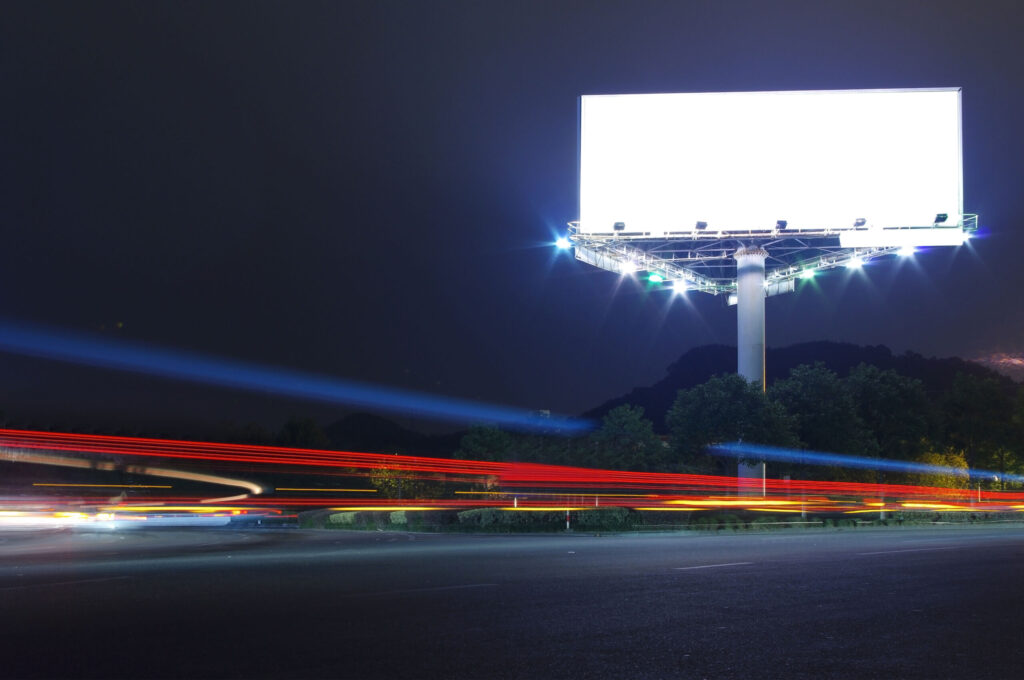
a bright billboard on a street at night
Billboards cannot be shielded, as opposed to other fixtures, DarkSky

Electronic billboards, also called electronic message centers (EMC) can be up to ten times brighter than traditionally lit billboards, therefore harming the nighttime environment. Unlike light fixtures, they cannot be shielded and due to the horizontal disposition of LEDs, light is also emitted laterally and upward, into the sky. Light from EMCs can cause glare (a visual condition where intense light reduces vision and causes discomfort) and be a dangerous distraction to drivers. Other than that, it can affect breeding, foraging, and orientation in wildlife.

Due to the impossibility to shield EMCs, design can only slightly mitigate their glare. What is most important is careful operation, programming, and location of this technology.

The DarkSky Technical Committee developed EMC guidelines to provide planners, lighting designers, architects, biologists, government officials, and the general public with solutions for EMC related harm. The guidelines were published in January 2019 and include:

  1. Best practices for the amount of light emitted for urban, suburban, and rural areas
  2. A Curfew when EMCs should be switched off completely, from 11:00 p.m. or 30 minutes after the close of business (for on-premises signs) until one hour before sunrise 
  3. Best management practices to decrease or eliminate negative impacts on the environment and improve safety for drivers and pedestrians

The best management practices consist in 6 points:

  1. Monitoring — The EMC should continuously be monitored by its owner 
  2. Sensitive area setback — EMCs should not be placed within or close to natural areas, beaches, wetlands, state and national parks, wildlife refuges and residential areas
  3. Distraction limitation — Messages should minimise distraction to drivers and pedestrians by setting a minimum message duration, a maximum transition time between messages, and maintaining adequate spacing between EMCs
  4. Gradual brightness reduction — EMC luminance levels should gradually dim between daytime and nighttime modes 
  5. Size limits — Larger EMCs should be avoided
  6. Density limits — The number or combined size of signs permitted for a given road or area could be limited

Unlike other types of lighting, which are quantified by their illuminance (how much light falls upon a surface), EMCs are quantified by thor luminance (the luminous intensity leaving the sign). For this reason, a standard luminance meter should measure the white screen at the moment of installation.

This being said, design also plays a role in light pollution. Sustainability directory states that bright, saturated colours and high contrast also increase light pollution. To protect the night sky designers should opt for darker backgrounds and minimise the overall illuminated area.
The world of billboards

During my previous research, I stumbled across Ankünder, the company that manages outdoor advertising in Graz. Allegedly this company is switching off their illuminated billboards at night, and I searched their website for further information relevant to interaction design and light pollution.

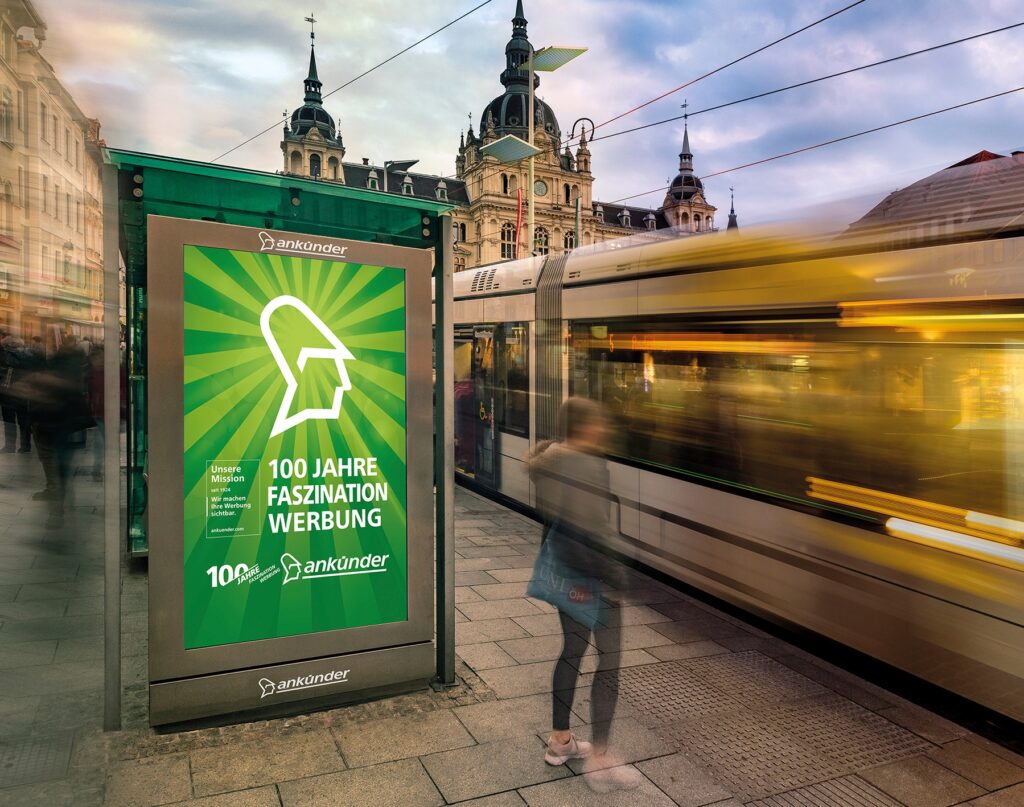
an Ankünder billboard in Graz
Billboard on Hauptplatz in Graz, Ankünder

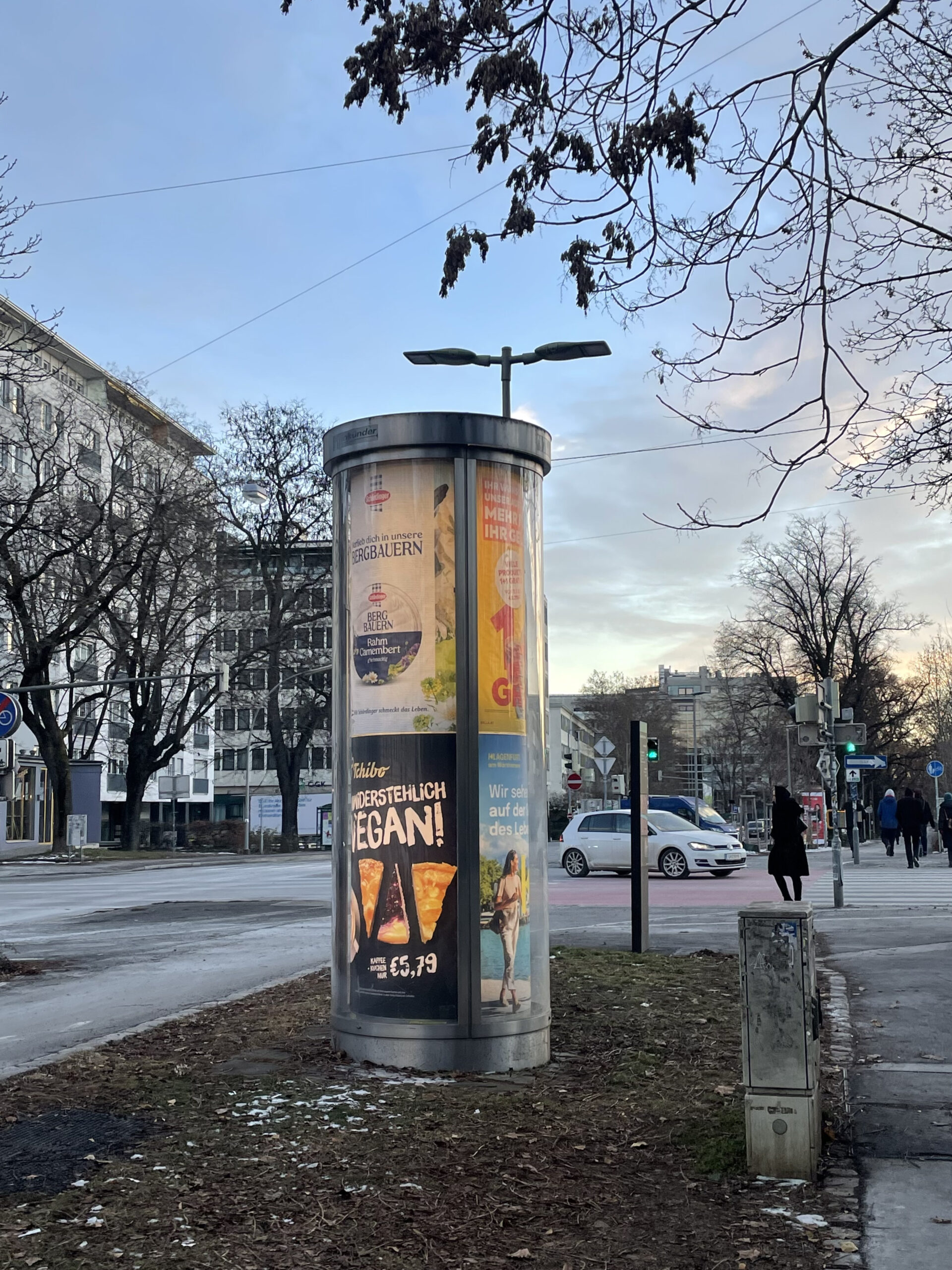
I found information about their rolling advertising media “Poster Lights” and its advantages. It consists of backlit rolling (switching) posters. According to Ankünder, this method is effective due to its high visibility on the road. In addition, the rolling movement draws even more attention than the traditional billboard. They are intended to be used in combination with classic posters and are supposed to transmit high impact, recall and recognition values to the viewer.

“Poster Lights” rolling advertising media in action near Augarten in Graz

I then decided to find out more about the different types of billboards and how they are related to interaction design and light pollution.

According to the billboard service Blindspot, there are different types of billboards:

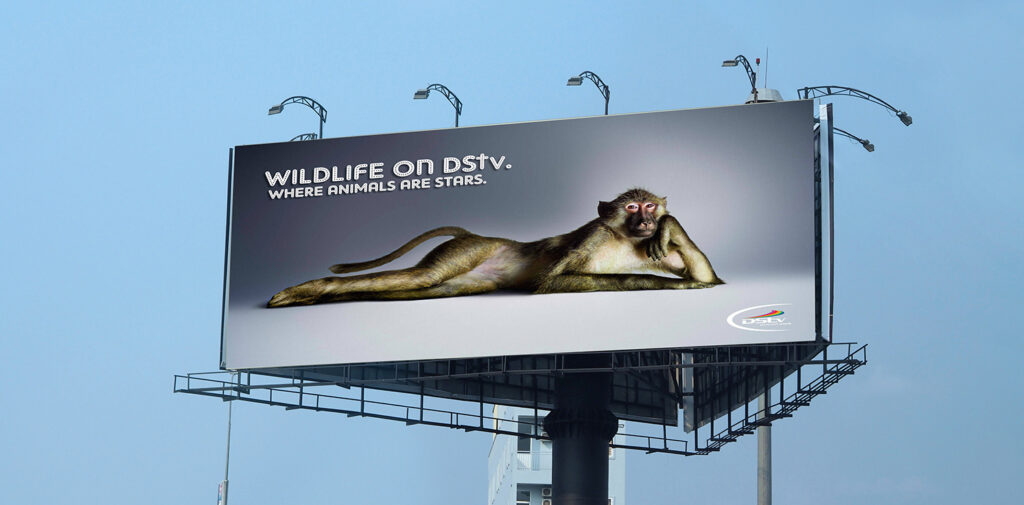
  • Static billboards, which are usually located on the side of highways and can be illuminated by another light source at night;
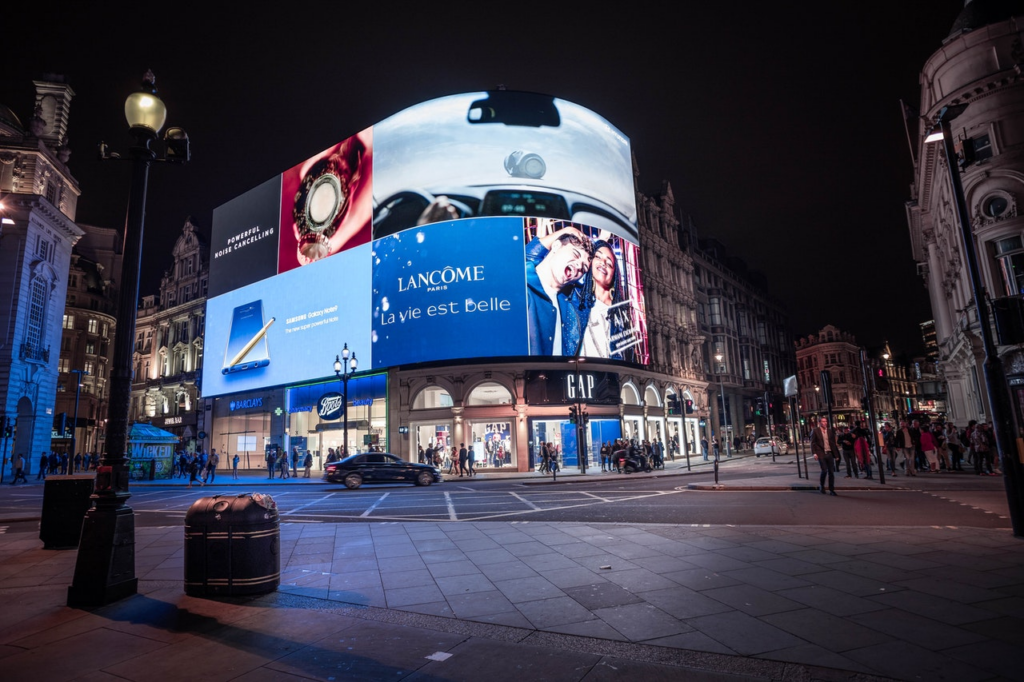
  • Digital billboards, which use LED or LCD screens to rotate multiple ads or display animated graphics;
  • Mobile billboards, placed on vehicles, which have the ability to reach strategic locations.
picture of static billboard
Static billboard, Pinpoint Media
picture of digital billboard
Digital billboards, Play Signage
picture of a mobile billboard
Mobile billboard on a truck, Lime Media

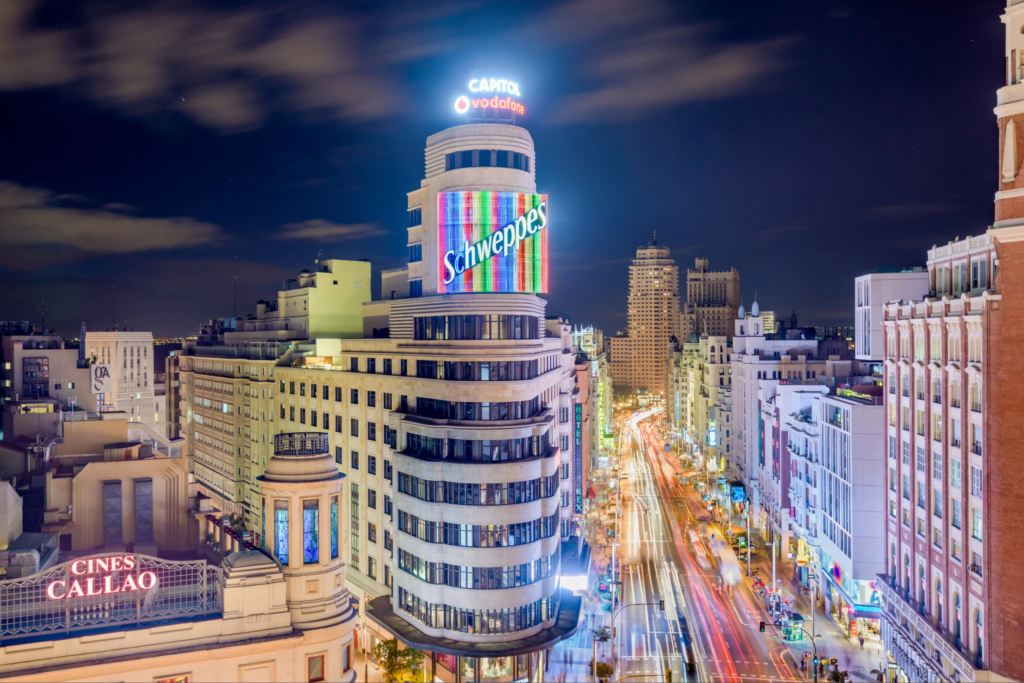
What changes between a digital and a static billboard is budget and flexibility. While LED or LCD billboards are more expensive, they allow content scheduling and catch more attention due to motion and bright colours. On the other hand, static billboards have higher installation costs, but they always occupy the same position, building brand familiarity. One example is the iconic Schweppes neon sign in Madrid’s Gran Vía, which is officially protected as a Monument of Cultural Interest.

picture of Schweppes billboard in Madrid
The huge Schweppes Billboard in Madrid is a mixture between static and digital, La Sexta

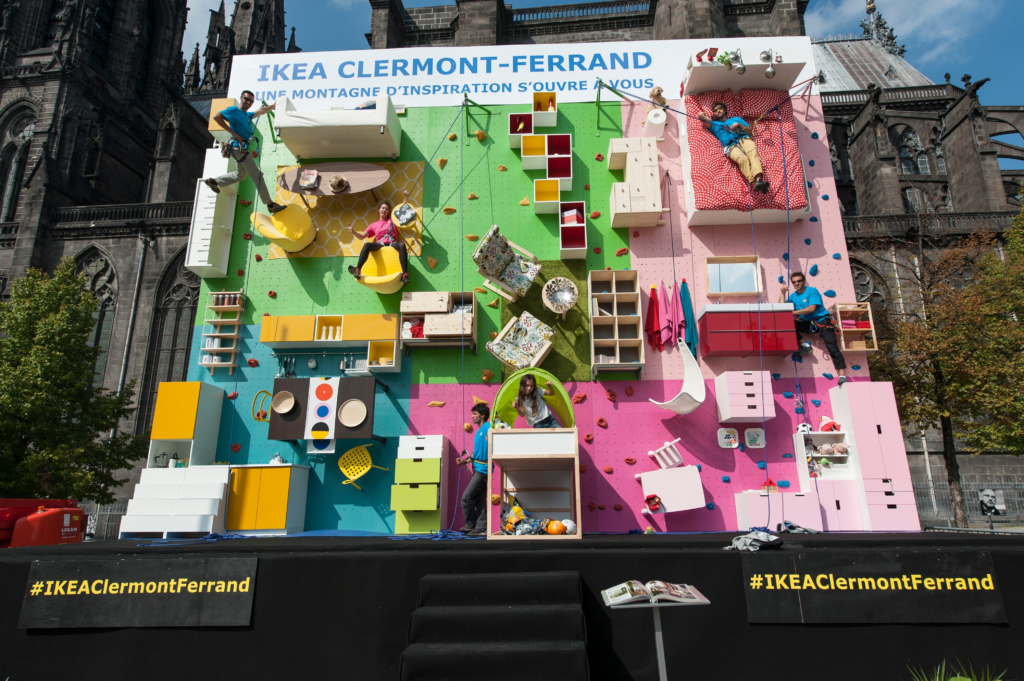
What caught my attention were interactive billboards. These use technology or analogue methods to create engagement with the viewer. Some methods are touchscreens, motion sensors, QR codes, and VR (in combination with one’s phone), but on another service called Media Venue I also read about scented billboards, a billboard that is a rock-climbing wall, or a company that gave its public the chance to vote on social media for the billboard to be displayed.

interactive billboard that can be climbed by Ikea Clermont-Ferrand
Billboard that can be climbed by Ikea Clermont-Ferrand, Archilovers

How environmentally friendly is street lighting in Graz?

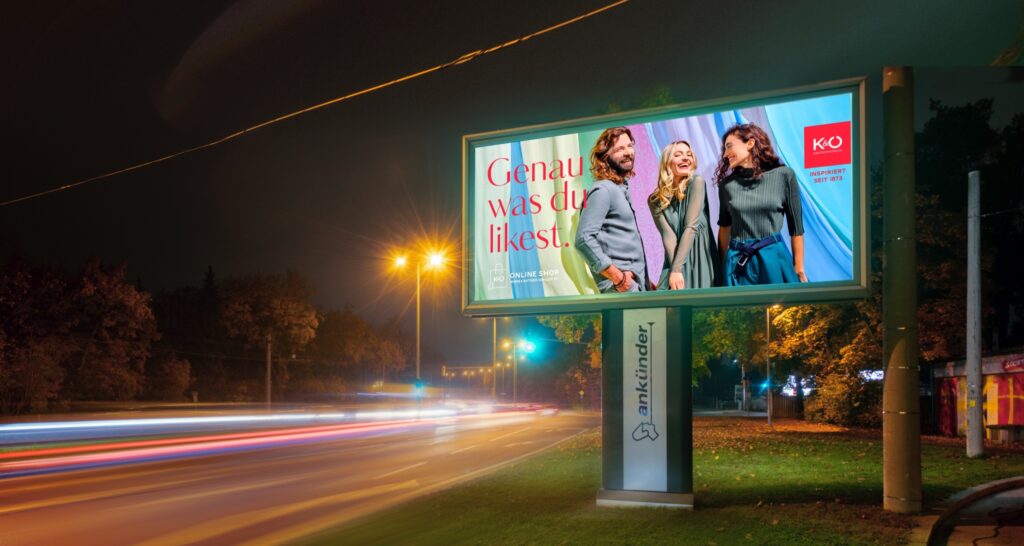
illuminated billboard with a clothing shop ad at night in Graz
An illuminated billboard, Ankünder

Last week I researched dark sky places, this week I have taken a look at how light pollution is tackled in urban areas, specifically in Graz.

First of all, I researched national laws. The Tyrol Competence Center on Light Pollution and Dark Skies lists Austrian regulations on light pollution. As opposed to other EU countries, Austria has no explicit legal requirement to operate street lighting, but these can be derived from various standards and legal norms, such as:

  • ÖNORM EN 13201, Part 2-5 Road Lighting (2004), which lists standards used for planning public lighting systems in all EU countries;
  • ÖNORM O 1055 Road lighting – Selection of lighting classes – Rules for the implementation of CEN/TR 13201-1 (2017), which includes provisions for dimming during off-peak periods;
  • ÖNORM O 1051 Road lighting – Lighting of Conflict Areas (2007), which contains recommendations for lighs illuminating zebra crossings, roundabouts, car parks, etc.;
  • RVS (Guidelines and Regulations for Highways) 05.06.11 and 05.06.12, which includes limit values and criteria to avoid undesired effects of artificial lighting on drivers.

According to Energie Graz, which operates the public lighting system of the city, a total of 28,802 lights illuminated the city as of 2021. Due to the population increase and in order to improve the feeling of safety, in previous years the light system has been expanded by 21%, which corresponds to 98 lights per 1,000 inhabitants. One might think that this would have led to an increase in energy consumption, but actually it fell by over 11% between 2004 and 2021, thanks to the conversion to modern LED street lighting. This has been the case of around 31% or almost 9,000 light points on streets, squares, parks, footpaths and cycle paths of Graz. Apart from having a significantly lower energy consumption, modern LED lights have lower maintenance costs, a long service life, reduced CO₂ emissions, and less light spill, contributing to less light pollution. 

LED street lighting also adapts to the needs of citizens in a smart way. For example, when footpaths and cycle paths are not used at night, the lights are dimmed to 10% of their usual brightness.

During the public meeting of the municipal council on 15 February 2024, it was mentioned that Ankünder GmbH, the leading provider of outdoor advertising media in Styria, had been switching off all illuminated advertising signs from midnight to 5 a.m., except at bus stops for a year.

During the course of the meeting, KPÖ municipal councillor Max Zirngast asked the city to collaborate with the Chamber of Commerce (WKO) to develop a concept to limit light pollution. It motivates Graz-based companies to minimise their light emissions from illuminated advertising and illuminated displays. Most parties voted in favour, but I have not been able to find follow-up information about the proposal’s realisation.

Energie Graz, being responsible for the public lighting in Graz, can be contacted to report faults and problems with street lights. This can be done via e-mail, call or by downloading the “Schau auf Graz” app.

In the next article, I would like to research more about this app and other ways to raise your voice about light pollution in Graz.