Last time we took a glance at the beginning of the speculative evolution artistic movement almost 50 years ago. Set in motion by the book After Man. But what do the scientists of today say? Let’s take a look at mankind’s future and what the world will look like after us.
Human Evolution
Evolution is a fickle thing, it doesn’t happen linear, rather it occurs in fits and starts. Life gets simpler, more complex, smaller, bigger, adapts to its environment or perishes completely; it’s hard to predict in which direction the human species will be taken. We might not change at all, or even branch off in a new species in the family Hominidae. The later could only truly occur in geographic isolation of a population of humans, which given globalisation seems very unlikely.
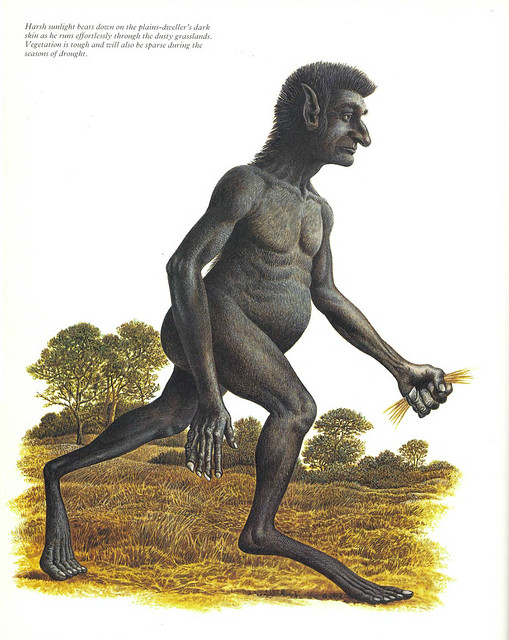

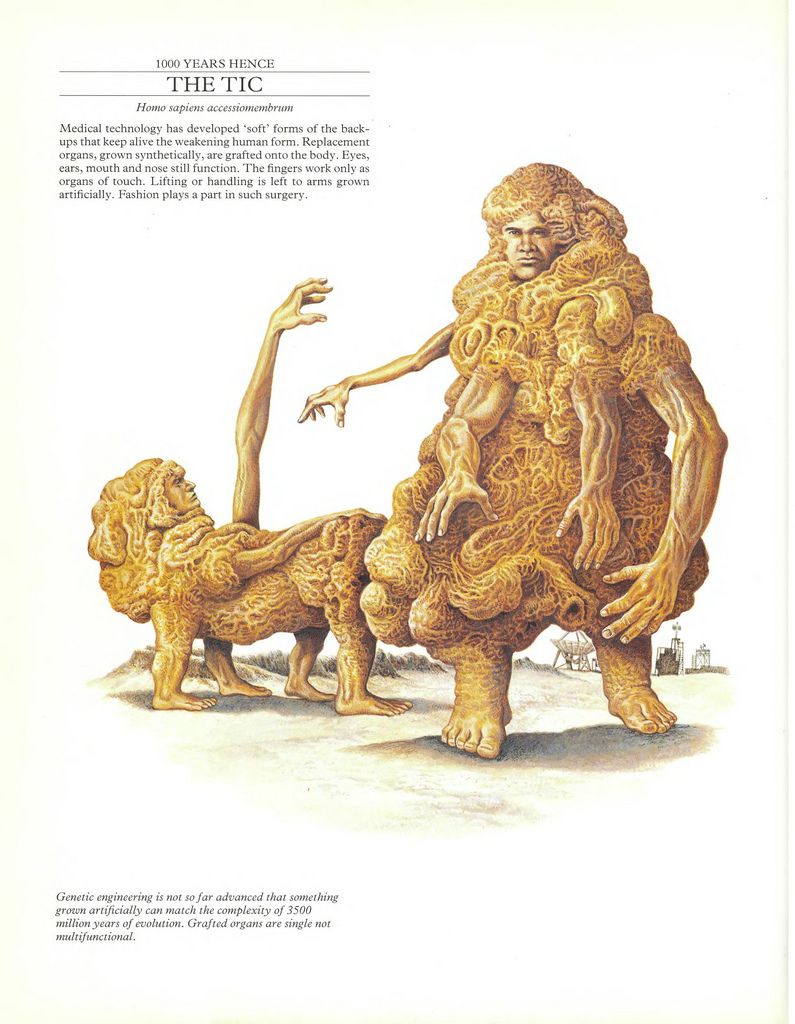
Thus, the predictions of Man After Man, interesting as they may be, have little possibility of ever occurring.
The End of the Anthropocene
The Anthropocene describes our current epoch, defined by human interference in our ecosystem. And this epoch might come to an end sooner than we like, given the rapid progress of climate change. Should we burn through all our fossil reserves, the climate will rise up to 18 degrees Celsius and raise the sea levels by hundreds of feet. It’s likely this warming spike will be more devasting than the one that caused the End-Permian mass extinction. This event, also known as the Great Dying, killed 90% of marine and terrestrial lifeforms. It would be a return to the climate of the Eocene, where none of the poles had ice, being instead home to swamps and tropical forests. A lot of mammals will die out or be forced to migrate pole-wards, though reptiles and birds will be fine for the most part. Life in the oceans will be devasted and won’t properly recover for a few thousand years.
The temperatures would rise for a long time in this green house and stay consistently hot for at least a hundred-thousand years. Afterwards we will plummet into a new ice age. If humanity has survived until then, this is where the sixth mass extinction will take place. Although its more likely civilisation will collapse long before.
Next in Line
Who will come after us then? That seems to be the big question, but the answer isn’t clear. We have no way of knowing who would survive the sixth mass extinction and who wouldn’t. Whoever is left would fill in the niches of those species, who didn’t make it.
The docu-miniseries The Future is Wild, based on Dougal Dixon’s work is an exploration of this. Released in 2002, the show explores life on Earth millions of years in the future.
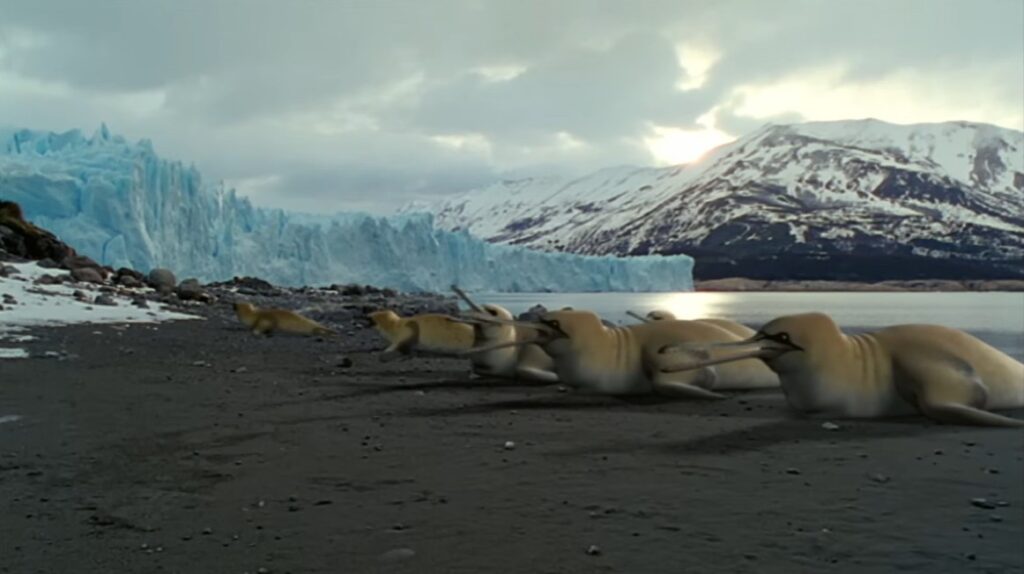
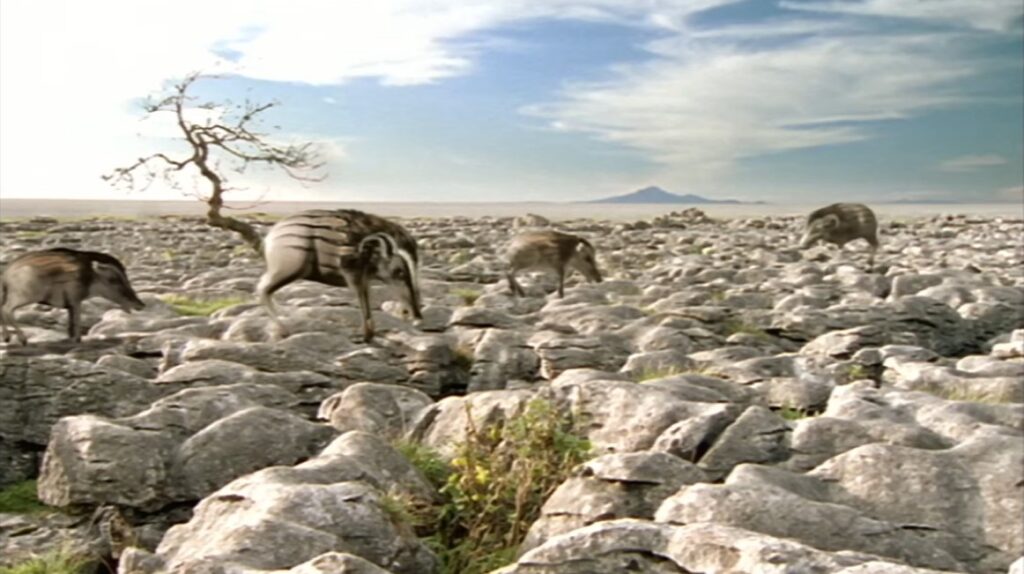
The first part, taking place 5 million years after our extinction, takes a look at how life changed in the second ice age. Ice sheets range all the way to central Europe, rain forests have dried up and turned into grasslands while the North American plains have become a cold desert. The shifting continents have closed off the Mediterranean Sea, turning it into near uninhabitable salt flats. The climate is cold, dry, megafauna have once more taken control of the Earth.
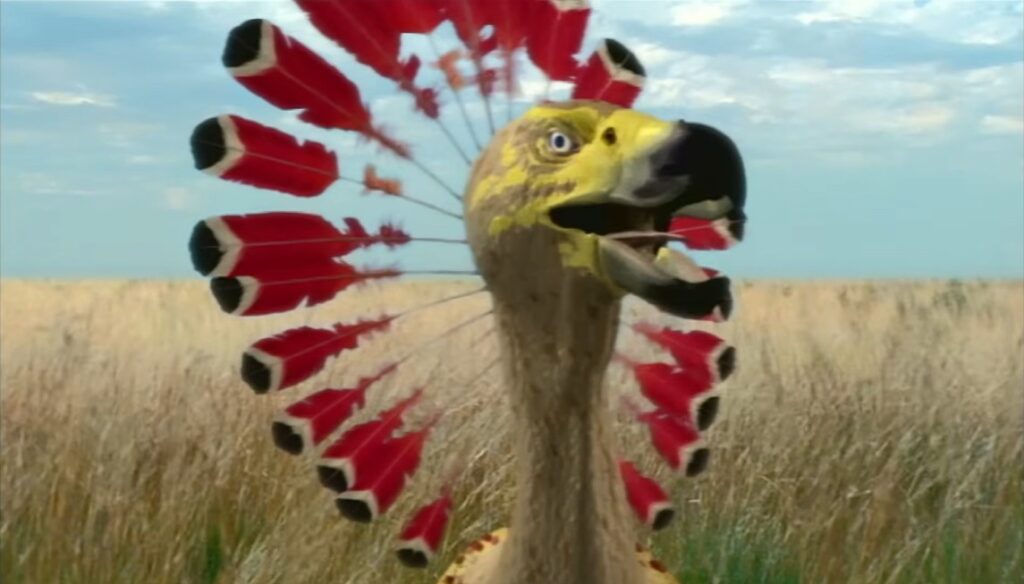
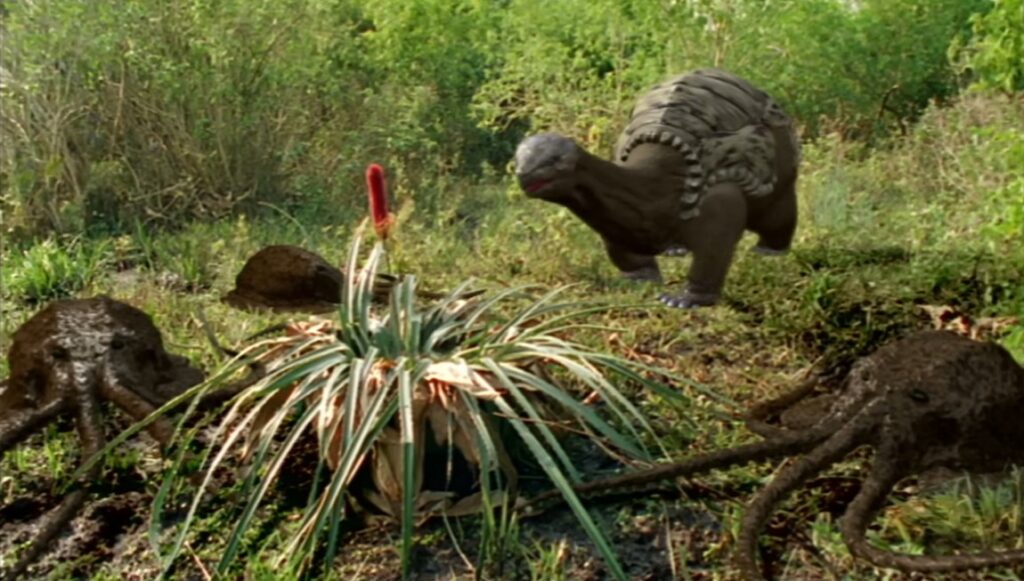
A 100 million years later, we return to a global hothouse. The climate is warm, humid. The land is flooded by shallow seas, turning everything into swamps. Rain forests sprawl across the globe, even Antarctica. The shifting continents created a kilometre-high mountain plateau, dwarfing the Himalayas. The Sahara Desert has become a rich grassland.
200 million years after our time the world is once again recovering from a mass extinction event. 95% of the species on the planet have been wiped out, with marine life and insects taking over. The last mammal has long since died out. The continents have collided in a second Pangea, a supercontinent plagued by extreme weather conditions.
While still only a prediction, this show considers how the climate changes, the continents shift and what that means for the environment. Which species will most likely thrive and which will perish. While our species will almost certainly meet its end one day, that doesn’t mean life won’t go on, with new species adapting and evolving.
Sources
- Ward, Peter: Future Evolution. An Illuminated History of Life to Come. New York: Times Books 2001 [E-Book]
- Brannen, Peter: The Ends of the World. Volcanic Apocalypses, Lethal Oceans, and Our Quest to Understand Earth’s Past Mass Extinctions. Sydney u. a.: HarperCollins 2017 [E-Book]
- Chu, Jennifer: Timeline of a mass extinction. New evidence points to rapid collapse of Earth’s species 252 million years ago. In: MIT News 18.11.2011, https://news.mit.edu/2011/mass-extinction-1118#:~:text=The%20end%2DPermian%20extinction%20occurred,unlikely%20option%20%E2%80%94%20an%20asteroid%20collision. (zuletzt aufgerufen am 23.11.2025)
