The defining characteristic of the streaming era is weightlessness. Music is everywhere, instantly accessible, yet entirely invisible. The physical artifact—the CD jewel case, the cassette tape, the gatefold vinyl—used to serve as the primary visual and tactile gateway into an artist’s universe. It was the object that proved the music existed in the physical realm. When the industry transitioned to digital files and algorithmic playlists, it created a profound psychological gap: how does a fan “own” an ecosystem that exists purely as data?
The answer has reshaped the role of communication design within the music industry. The human desire to possess something tangible did not disappear; it was displaced. As a result, merchandising has evolved from a secondary revenue stream—a simple tour t-shirt printed with dates—into the central physical manifestation of the album’s world. In contemporary world-building, these items function no longer as mere merchandise, but as “relics.”
In narrative theory, a relic is an object that proves a mythology is real. When communication designers build a multi-platform ecosystem for an artist, they are essentially designing a fictional universe. For that universe to feel credible, it needs physical gravity. The designer’s job shifts from formatting packaging to designing props for the fan’s daily life.
Consider the architectural rollout strategies of an artist like Travis Scott, particularly during the Astroworld and Utopia eras. Scott does not just release albums; he engineers highly commodified narrative worlds. His communication strategy relies on flooding the physical world with artifacts that carry the specific aesthetic code of his Cactus Jack brand. From limited-edition action figures and customized cereal boxes to meticulously designed fake company receipts and branded fast-food meals, every object is treated as a piece of the lore. When a fan purchases these items, they are not simply buying clothing or food; they are buying a physical ticket that grants them citizenship within Scott’s sonic theme park.
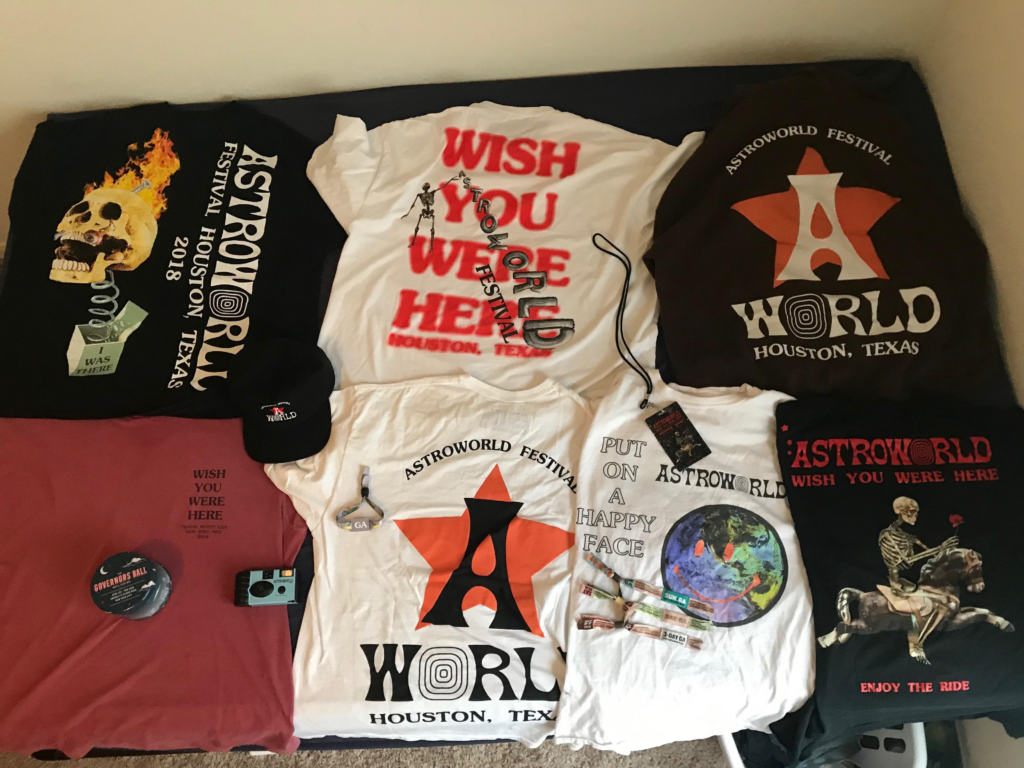
This dynamic entirely reframes the recent “vinyl revival.” The massive resurgence of physical records is rarely about audiophile sound quality; it is a design-driven phenomenon. The vinyl record has become the ultimate fetish object of the streaming age. Today’s most successful releases are heavily engineered physical artifacts. The communication designer constructs an unboxing experience that often includes elements far beyond the music itself: cryptographic zines, fake passports, architectural blueprints, and cryptic handwritten notes. The record itself is almost an excuse to distribute a highly curated art object.
What this demonstrates is that in a hyper-digital landscape, physical design is not obsolete; it is more critical than ever. The algorithmic feed is ephemeral, scrolling past the user in fractions of a second. To counter this, communication designers must create objects that occupy physical space—items that sit on a fan’s bedroom shelf and serve as a permanent, tactile anchor to the artist’s narrative world. The designer is no longer just visualizing the music; they are manufacturing the archaeological evidence that the world they built actually exists.
