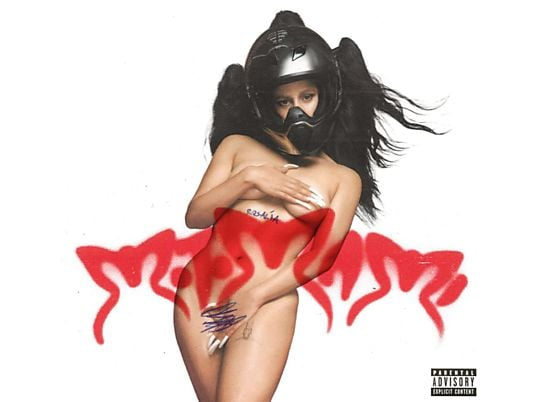
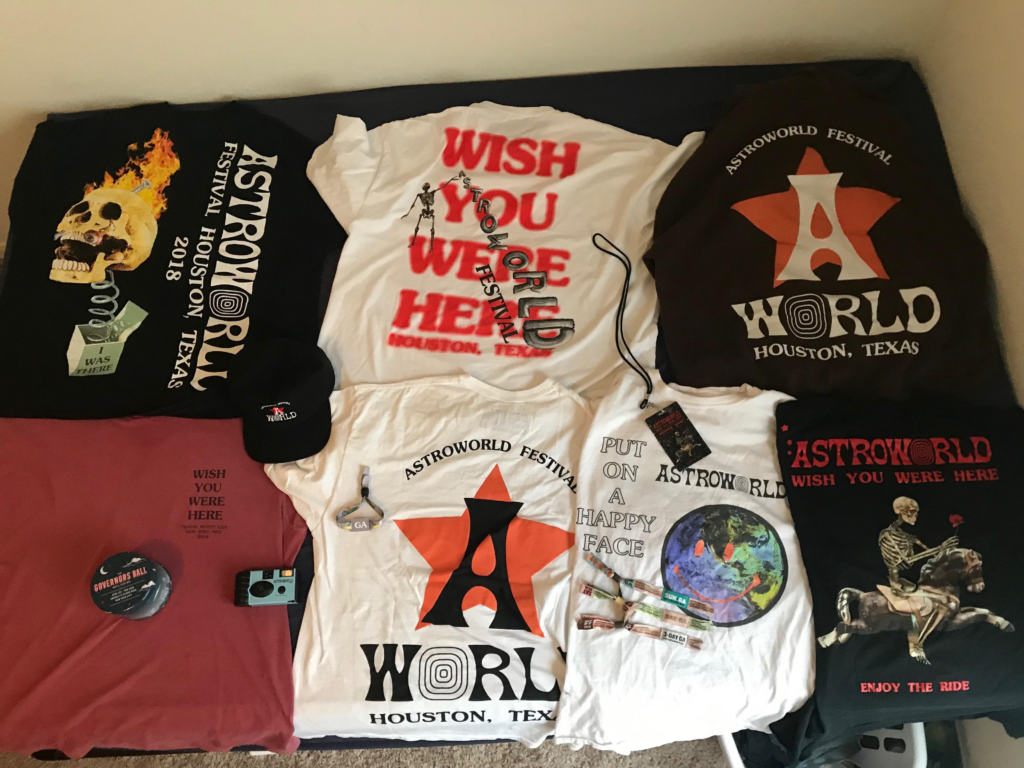
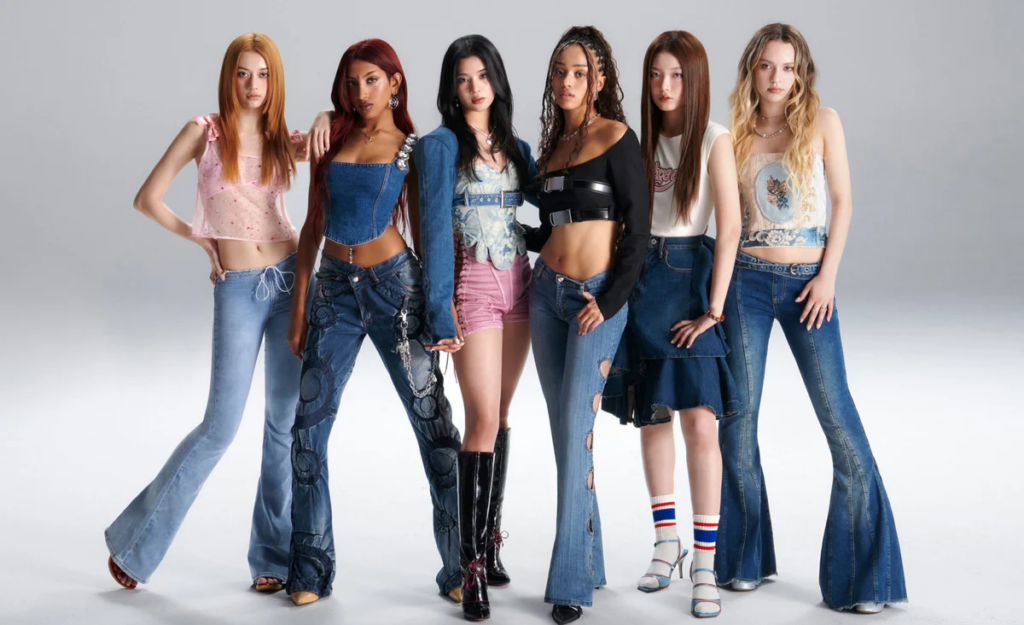
In the construction of a cohesive narrative world, one of the most powerful yet frequently misunderstood tools at a communication designer’s disposal is the uniform. While traditional music marketing often relies on the concept of “styling”—a fluid process where an artist changes outfits to suit different contexts—the most sophisticated world-building strategies do the opposite. They embrace the rigidity of the costume. By effectively freezing an artist’s visual appearance into a signature uniform, the designer transforms the performer from a human being into a fixed, recurring character within a larger narrative ecosystem.
This shift represents a departure from fashion as a personal expression toward fashion as a core element of architectural design. When an artist commits to a specific uniform—a garment, a color palette, or a recurring physical accessory—worn consistently across music videos, red carpet appearances, live performances, and social media content, they are creating a visual anchor. This anchor functions similarly to a uniform in cinema or theater; it signals to the audience that they have entered a world with its own internal rules, where the protagonist is not just an artist, but an inhabitant of that specific reality.
The most emblematic practitioner of this strategy in recent years is The Weeknd during his After Hours and Dawn FM era. For over a year, across every single public touchpoint, he appeared exclusively in a single, rigorously designed uniform: a bright red blazer, black leather gloves, and—at the height of the narrative—a face entirely covered in prosthetic bandages, suggesting a post-surgical, distorted transformation. This was not a stylistic choice; it was an act of extreme communication design. By refusing to deviate from this “costume,” he forced his audience to engage with his narrative of psychological decay and Hollywood-induced trauma. The uniform became the logo of the era.
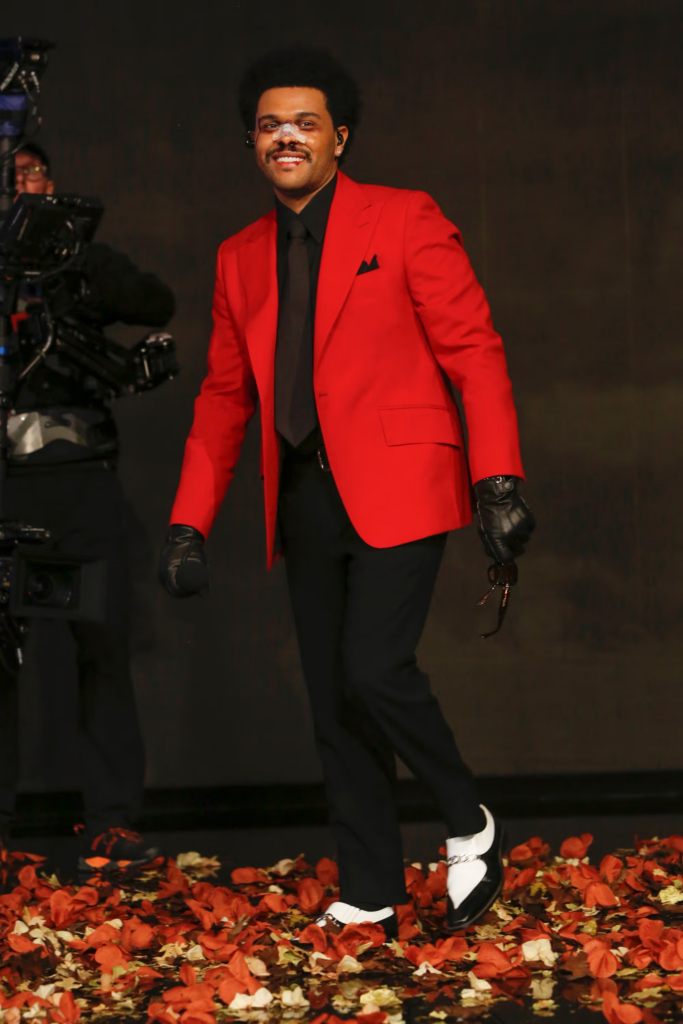
From a communication design perspective, this strategy is highly effective because it simplifies the brand identity. In a digital environment where audiences are bombarded with thousands of images per day, the “Narrative Uniform” provides instant, sub-second recognition. It bypasses the need for the audience to “read” the artist’s changing moods; instead, they instantly recognize the character. The designer, in this scenario, functions as a costume designer for an ongoing, multi-year performance art piece.
Crucially, this uniform acts as a boundary. It defines what is “inside” the world of the album and what is “outside.” When the artist eventually discards the uniform, it functions as a definitive narrative beat—the “third act” of a movie, signaling the end of one visual ecosystem and the birth of another. By utilizing fashion as a structural design constraint rather than a fluid accessory, communication designers gain the ability to build worlds that feel deeply cinematic, immersive, and, above all, persistent. In the streaming age, where music is fleeting, the Narrative Uniform is the designer’s way of ensuring that the artist’s visual mark remains indelible.