We have reached the end of this research phase. Over the last few months, through nine distinct blocks, I have dissected the role of storyboarding in Communication Design. But as I look at the collected data, this feels less like a conclusion and more like the starting point for a new standard in design methodology. To wrap up DesRes 1, here is the synthesis of what storyboarding actually is, what it definitely is not, and where it is going.
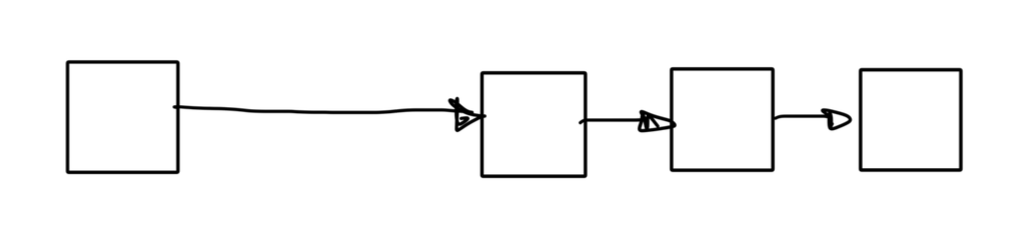
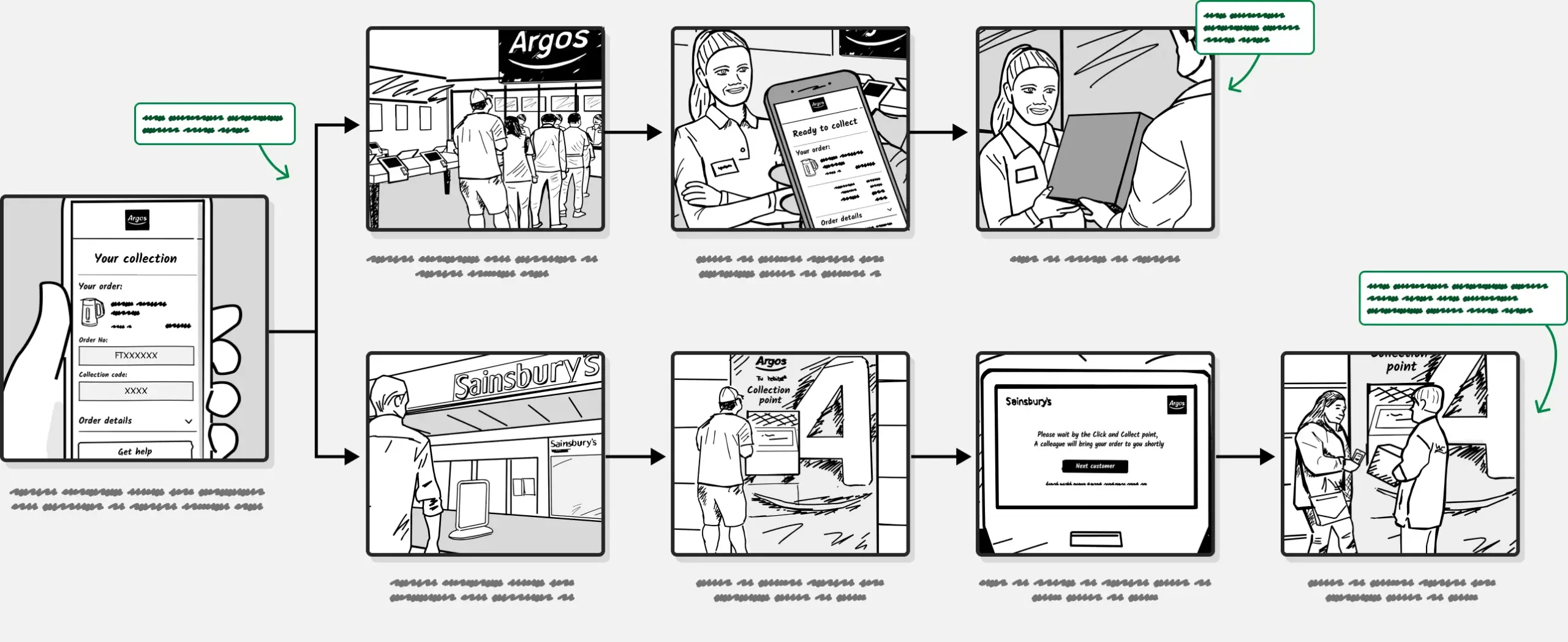
We started by moving the definition away from “cinema sketches.” Storyboarding in our field is Strategic Pre-visualization. It is the anatomy of an idea. As explored in my earlier posts, a storyboard is a structural map that uses a specific syntax—frames, arrows, and time indicators—to engineer the logic of a communication piece before a single pixel is polished. It is not about how it looks; it is about how it works.
The true value of this tool lies in its utility. It acts as our cheapest form of error detection through its diagnostic power. By forcing a concept into a sequence, we expose the gaps in user flow and narrative logic, allowing us to troubleshoot complex interactions while the cost of change is still low. Furthermore, a storyboard is not a private diary; it is a public document. It functions as a shared language between designers, developers, and clients, ensuring that the “vision” is an actionable plan, not just a vague feeling.
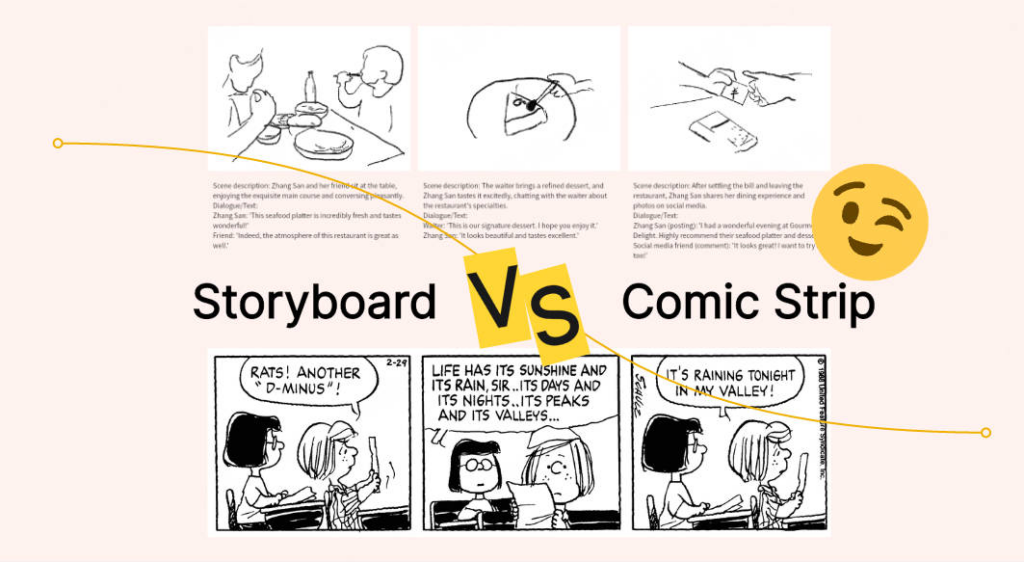
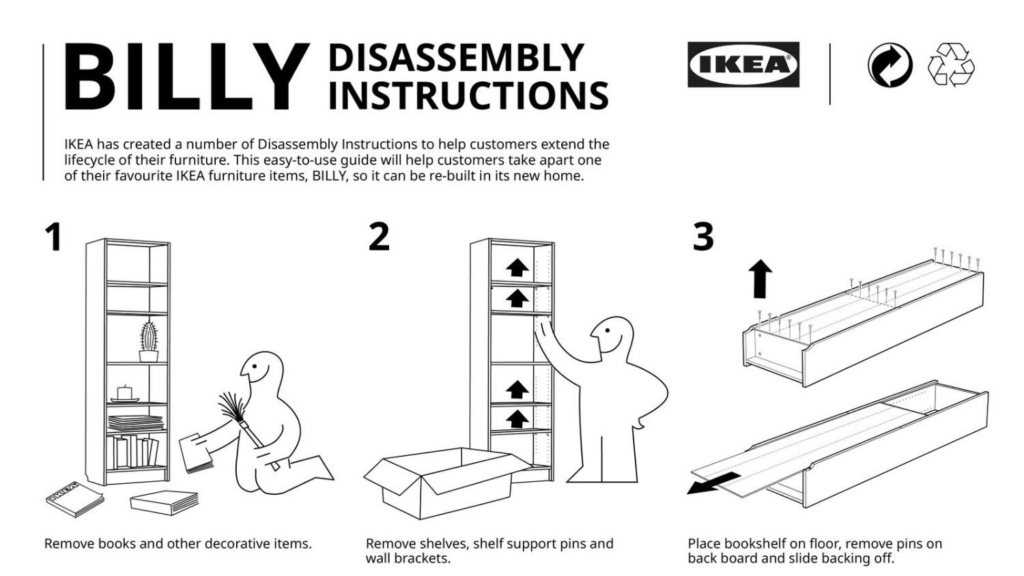
Perhaps the most critical distinction I found is identifying what a storyboard is not. It is not a comic strip, which exists to entertain, nor is it art, which exists to be admired. It is a disposable instruction manual meant to be discarded once the final product is built. If the viewer is looking at the drawing quality rather than the technical instruction, the storyboard has failed.
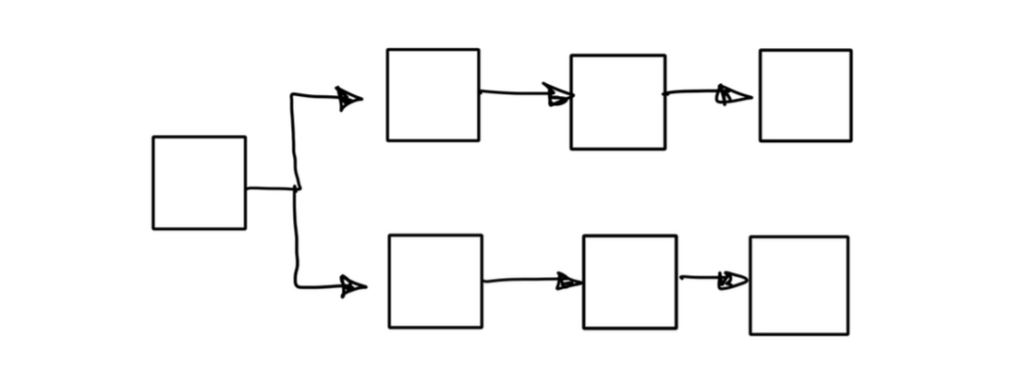
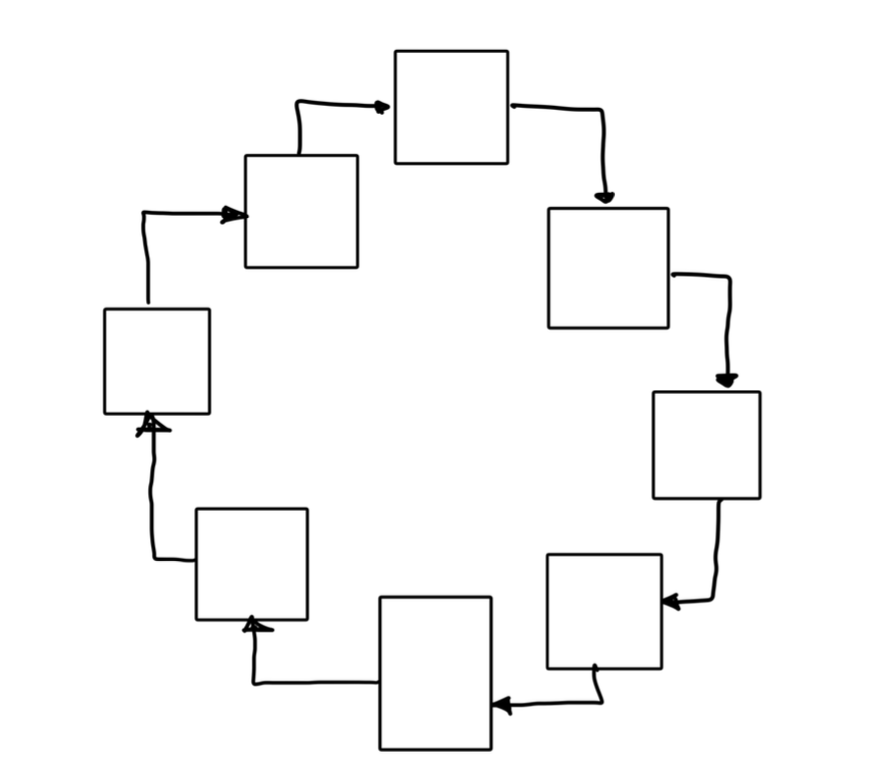
But the method is evolving. We are no longer limited to 16:9 rectangles. As design moves into VR, AR, and non-linear apps, the form of the storyboard is breaking “Beyond Convention” to map spatial and interactive experiences. The influence of AI is also undeniable, shifting our role from “drawers” to “curators.” While AI offers the potential for rapid iteration, it brings the danger of bypassing the thinking process. The potential of the future lies in using AI to speed up the visualization without losing the strategic intent.
So, is this the end? No. It is the beginning of a more targeted approach. I am not suggesting that storyboarding is necessary for every single design task. As I explored in the “Investment” block, it is a calculation. The next step is to define when this tool is essential. It is a proposal specifically for complex, flow-based projects where the risk of confusion is high. My vision is to establish a “grammar” for these moments, so we have a shared system ready for the projects that actually demand it, without overcomplicating the simple ones.
We are not just designing screens, books, and spaces; we are designing time, flow, and logic to create an experience. And for the projects where that matters, it can start with a storyboard.