Most playgrounds are designed by adults, based on safety standards, budgets, and assumptions about children. As a result, they often become predictable, restrictive, and sometimes even boring.
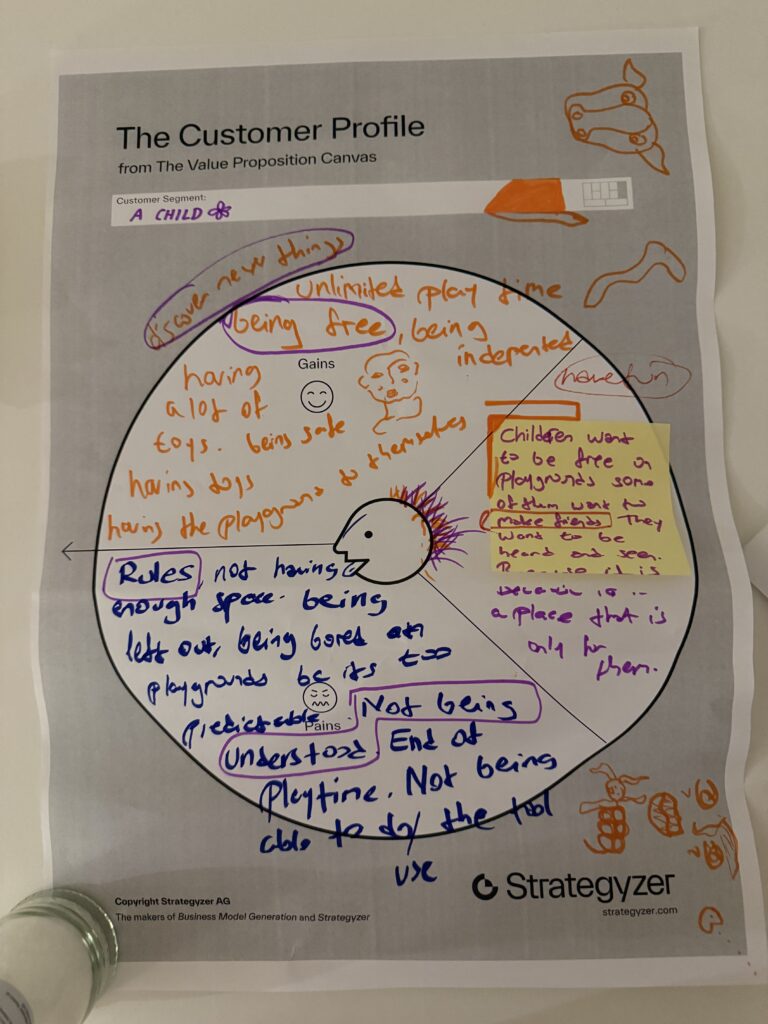
From a child’s perspective, the challenges are different:
Playgrounds are supposed to be spaces of joy, but they often fail to reflect what children actually want: freedom, creativity, and a sense of ownership.
This matters because playgrounds are not just physical spaces—they are environments where children develop socially, emotionally, and creatively.
When children are not included:
But when they are included, something shifts. Playgrounds become more engaging, more meaningful, and more used. They stop being just “installed structures” and start becoming lived experiences.
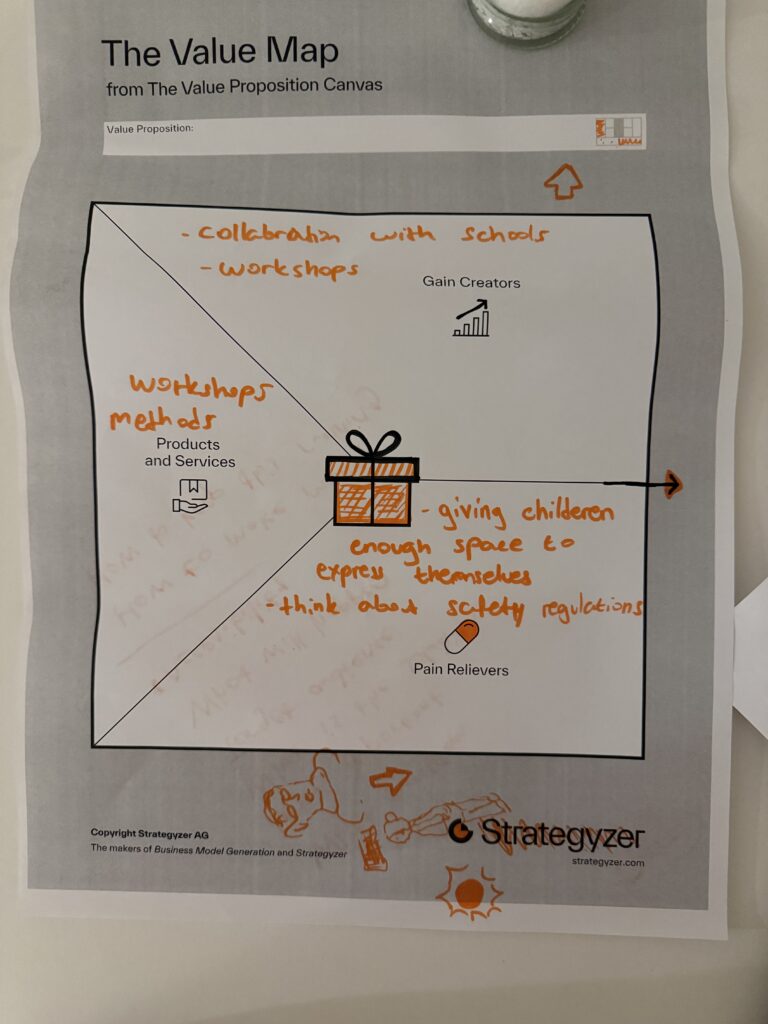
My approach is to introduce participatory design methods, especially through workshops with children.
Instead of asking children to adapt to a finished design, the process invites them to:
These workshops act as tools that translate children’s thoughts into design input. At the same time, the process still considers real-world constraints like safety regulations and feasibility.
So the solution is not a single playground design—but rather a design process:
→ one that creates space for children to be heard
→ one that balances creativity with structure
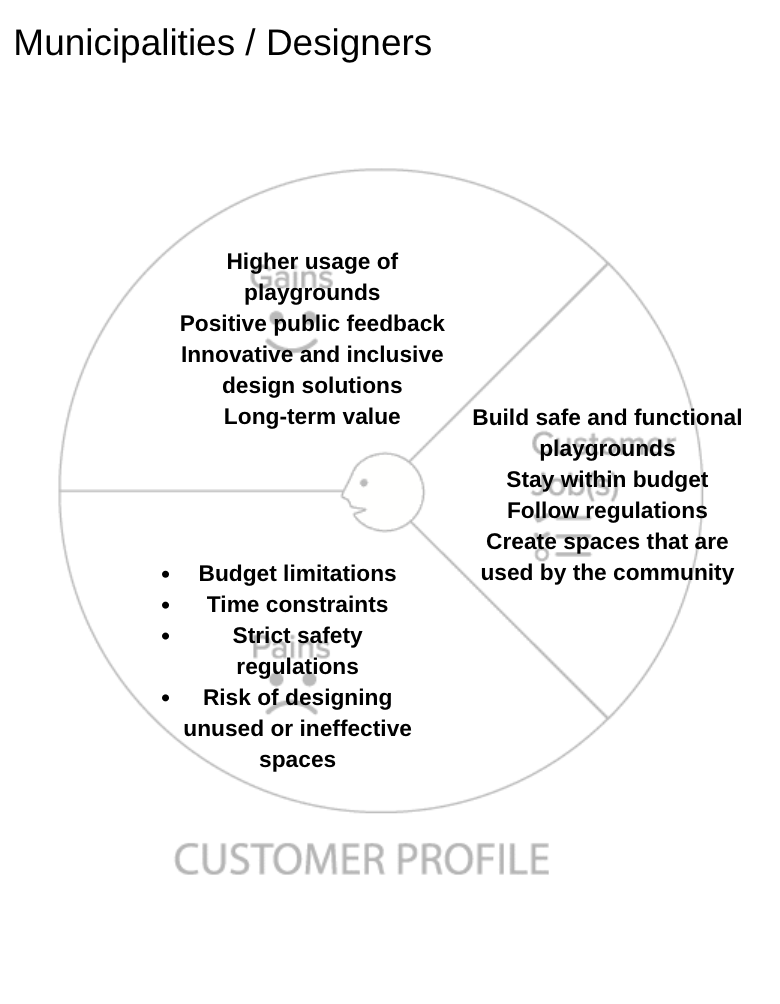
The primary “users” are children, but the system involves multiple stakeholders:
In this sense, children are both participants and beneficiaries, while institutions act as enablers of the process.
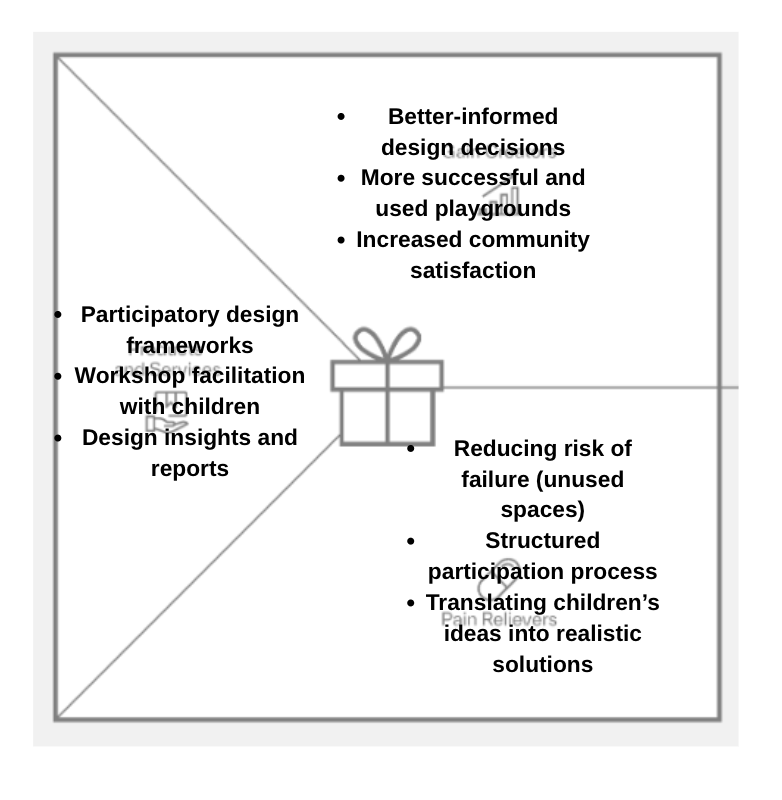
If children are included in the design process:
Before:
After:
This approach could evolve into a service or framework:
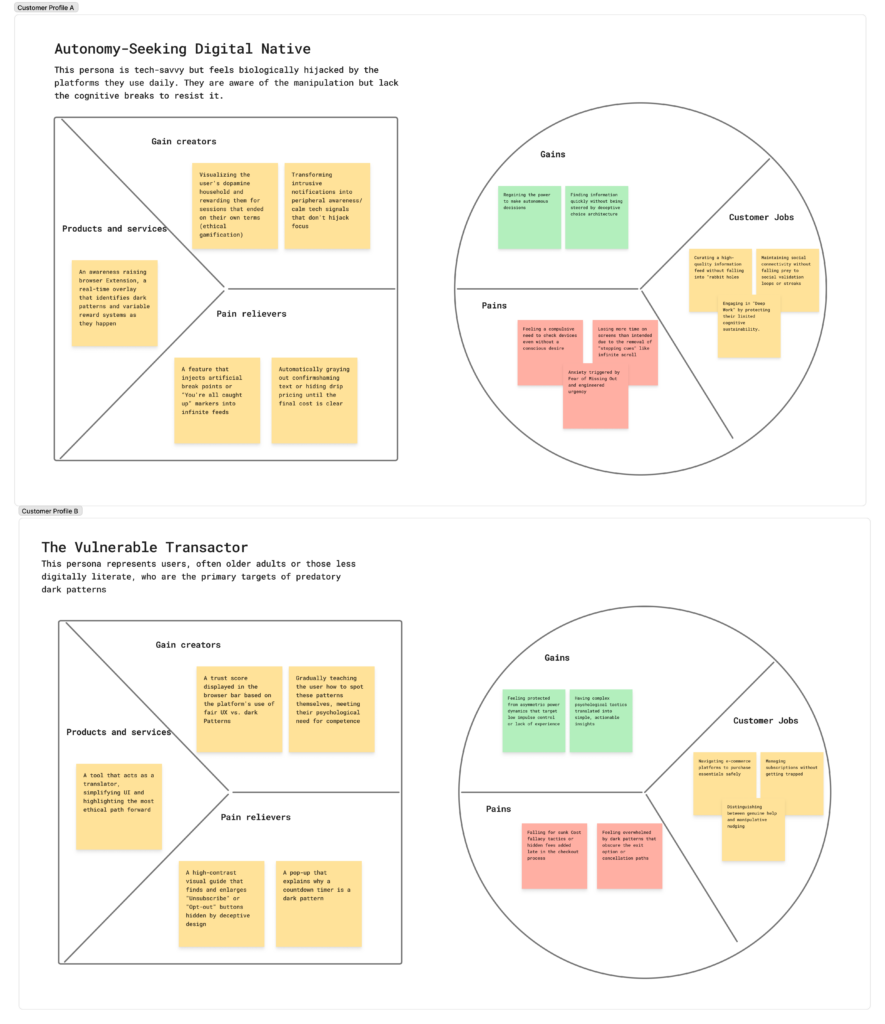
Digital platforms use dopamine sensitive patterns to exploit your biological reward systems. Software functions as a dopamine dispensing machine. This blogpost introduces a tool to reclaim your mental energy and autonomy.
The Problem
Addictive design removes natural stopping cues. Features like infinite scroll and autoplay bypass your conscious decision making, deceptive tactics appear in 97 percent of popular mobile apps. These dark patterns steer behavior through obscured information or emotional manipulation. Mechanisms operate below conscious awareness, you often attribute high consumption to personal weakness instead of recognizing intentional design.
Why You Should Care
Manipulation causes psychological distress as constant reward seeking erodes your dopamine household. This leads to stress and anxiety and diminishes your capacity for deep focus and can even lead to financial loss. Algorithms prioritize engagement over wellbeing, they take your attention hostage and degrade collective thought.
The Solution
The Tool is a cross platform tool, it acts as a translator between manipulative code and your mind. The tool identifies black hat gamification, it detects countdown timers and streaks that use fear of loss to coerce engagement. The tool injects constructive friction and provides prompts after 30 minutes of scrolling to bring your conscious mind back into the loop. A transparency layer highlights exit options and translates psychological tactics into actionable insights. Calm tech integration shifts non urgent information to the periphery which respects your right to be undisturbed.
Target Audience
Change and Impact
The product transitions technology from an extractive model to a humane model:
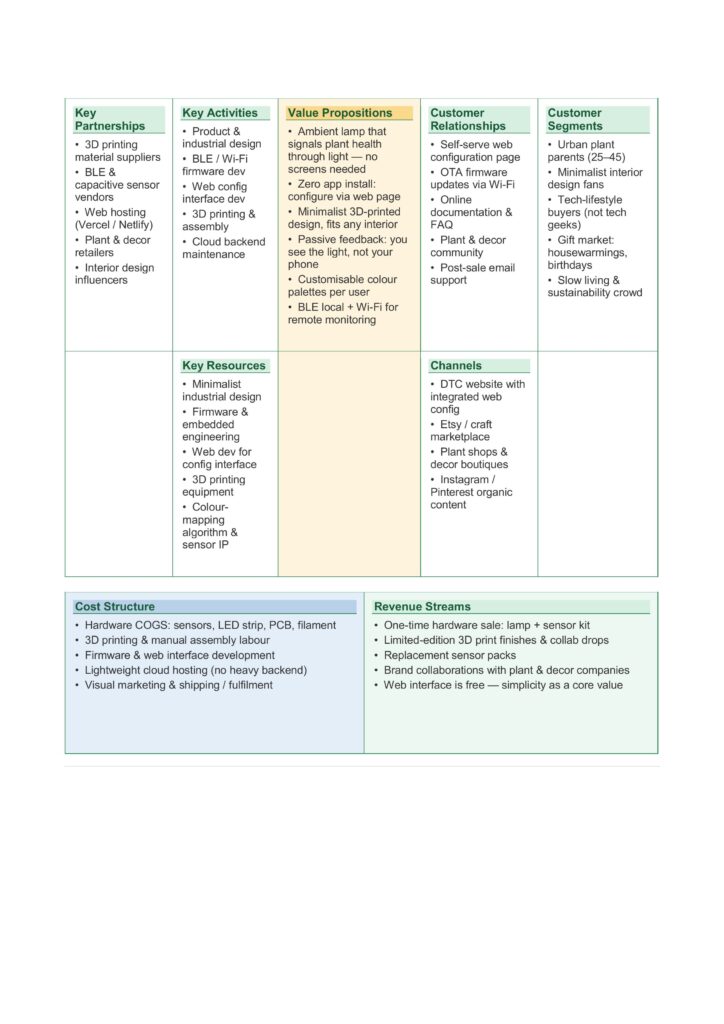
This business model canvas shows how Lumina Terra combines plant care and ambient lighting in a simple and accessible way. The main idea is a minimal lamp that uses light to communicate plant health, without the need for screens or complex apps. The product is developed through design, prototyping, and basic technology integration, supported by partners such as material suppliers, sensor providers, and plant shops. It is aimed at people who like indoor plants, simple design, and a calm home environment. The product is mainly distributed online and through design or plant-related stores. The costs are related to hardware production, development, and shipping, while revenues come from selling the lamp and sensor kits, as well as possible collaborations.
Fig 1: Business Model Canvas
To develop an effective product, it is essential to start from an understanding of users’ needs, difficulties, and expectations.
Users want to take care of their plants, keep them healthy, and understand their needs without spending too much time or effort. At the same time, they want to create a cozy home environment where objects are not only functional but also aesthetic.
However, several pains emerge. People often forget to water their plants or do not know when and how much water to give. It can be difficult to understand the real condition of the soil, especially for non-expert users. In addition, many smart solutions require continuous use of apps and screens, making them intrusive or not suitable for a home environment. There is also a sense of uncertainty, linked to the fear of damaging the plants.
Users are looking for a simple and immediate way to understand the health of their plants. They want to reduce uncertainty and make plant care easier and more enjoyable. At the same time, they appreciate products that integrate well into the home space, contributing to a warm and relaxing atmosphere. A sense of satisfaction and connection with nature is also an important value.
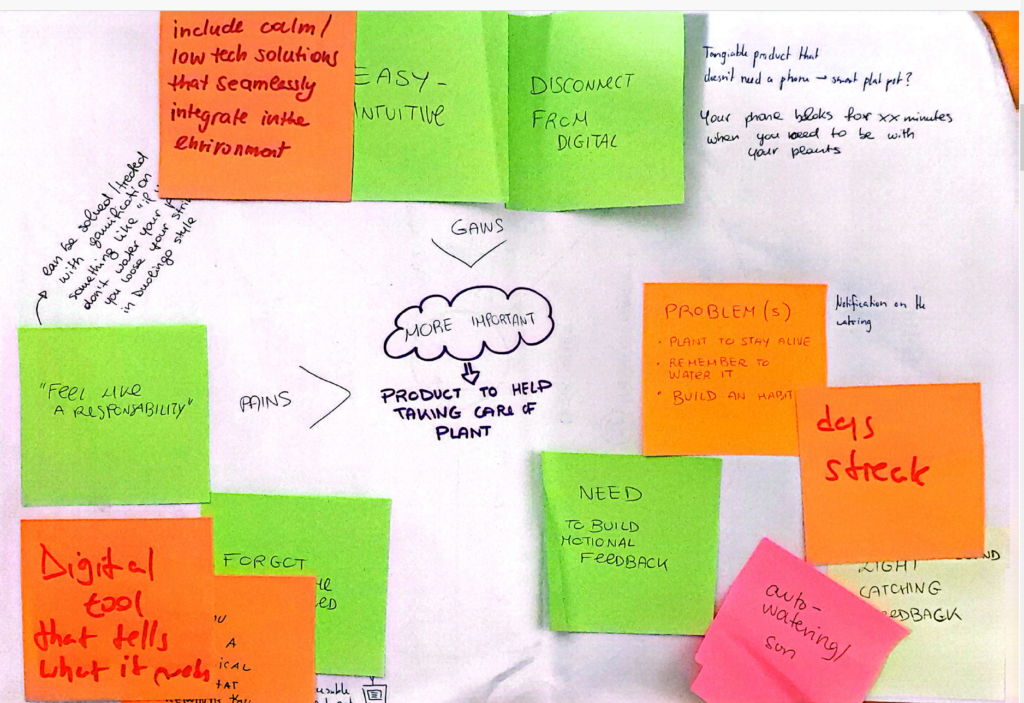
Fig 1: Feedbacks collected during a consultation workshop
The value map translates these needs into design solutions.
Regarding the product & services, the idea is to develop a lamp as a first product, capable of combining ambient lighting and plant care. The lamp is connected to soil moisture sensors placed in plant pots and communicates via Bluetooth Low Energy, while Wi-Fi connectivity allows monitoring and configuration through a minimalist mobile app.
It is also important to consider the pain relievers, which in this case are mainly focused on reducing uncertainty for first-time users, as well as reducing the effort and time required to take care of plants. The goal is to design a slow, consistent, and non-intrusive feedback system that does not rely too much on digital technologies or continuous smartphone use.
The analysis of the gain creators helped identify which aspects to integrate in order to improve the overall experience. Users are looking for a simple and immediate way to understand the health of their plants. They want to reduce uncertainty and make plant care easier and more enjoyable. At the same time, they appreciate products that integrate well into the home space, contributing to a warm and relaxing atmosphere. A sense of satisfaction and connection with nature is also an important value.
Starting with a problem statement
Data visualization is a field built on making information accessible, engaging and clear. AI is now present at every stage of that process, but almost no one in the field has a shared framework for how to properly use it. Most creatives are learning by trial and error, which in practice means learning by wasting: wasted prompts, wasted time, outputs that miss the mark because the input was never quite intentional. For newcomers, the barrier is even higher, since the technical language is intimidating and there is no obvious starting point.
Beyond individual frustration, the wider feeling of uncertainty is something real. Unstructured AI use in storytelling can reinforce structural bias, flatten narrative diversity, and quietly shift creative authorship away from the human without anyone deciding that should happen.
The Solution
The methodology this project is building is a practical open framework that guides creatives through the stages of data-driven storytelling, with clear indications of where AI genuinely helps, how to write prompts with purpose, and how to stay in control of the narrative throughout. It can be described as a documented design thinking process, designed to be used as a reference, taught in academic contexts, or adopted by studios building internal guidelines.
It works by breaking the creative process into stages, assigning AI a defined and intentional role at each one, and giving users the vocabulary and structure to make decisions rather than just react to output.
The target audience is anyone working at the intersection of data and narrative: visualization designers, data journalists, researchers, students, and freelancers. The customer, in an academic and institutional sense, could be universities, design programs, and creative organizations looking for a responsible framework to teach or reference.
The change is not dramatic. It looks like a field that slowly develops a common language for something it is already doing.
Should we really talk about money?
Honestly, monetizing this personally feels like the wrong frame for what it is. But if we should consider this option, there are a couple possible paths worth naming. Institutional licensing to universities or design schools that want to integrate the framework into their curricula is the most natural fit. Funded research continuation through academic grants is another. Further down the line, a workshop or short course format built around the methodology could generate income without compromising the open-access nature of the core framework. The goal is not actually profit, yet reach.
Here follows a possible business model structure that could work for such idea.
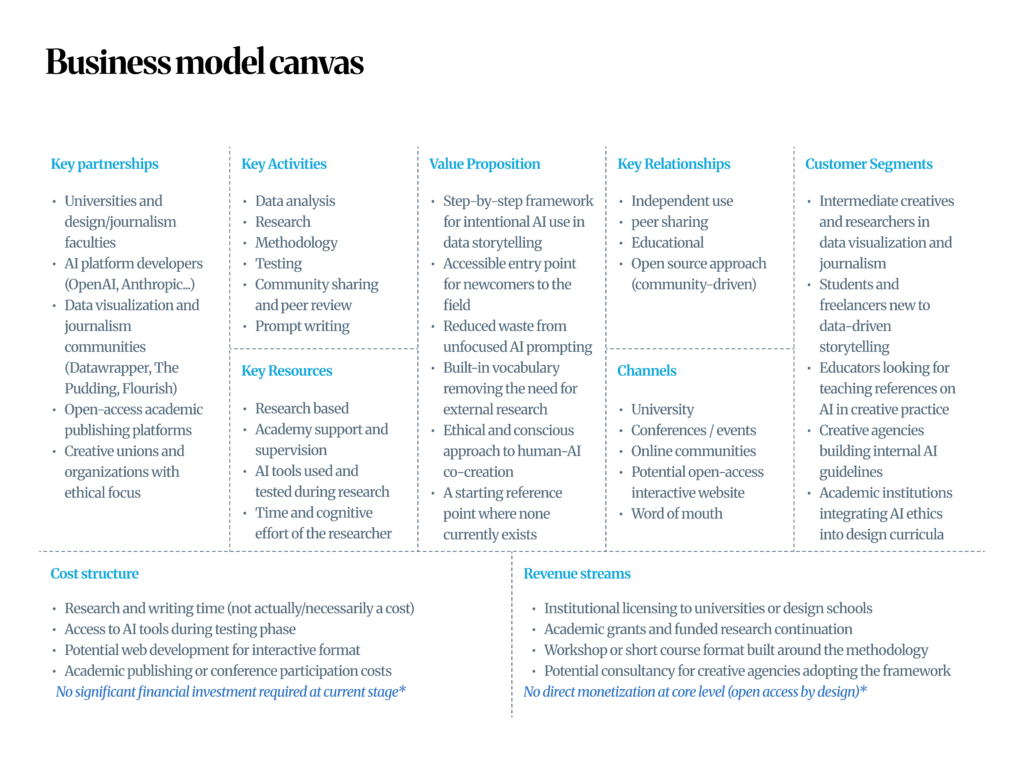
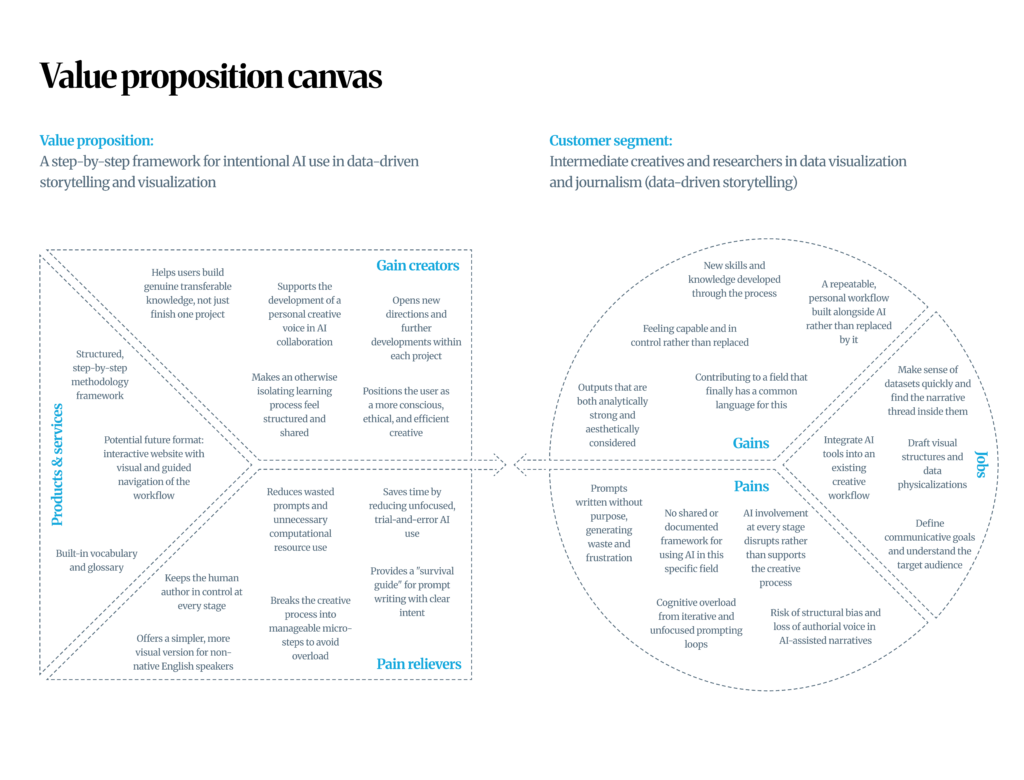
Every research project, at some point, has to find an answer to the following question: who actually needs this, and why would they reach for it? Mapping out the customer profiles and value proposition for this methodology felt like one of the more revealing steps of the process, mainly because it forced me to stop thinking like a researcher and start thinking like someone who has to explain why this matters to a stranger. Two potential users came to mind immediately, and they arrive at the same problem from different starting points.
Profile 1: the intermediate creative or researcher
This person already works in data visualization or data journalism. They know their tools, they have communicative goals, and they have probably already experimented with AI in some part of their process. The frustration is not unfamiliarity. It is the lack of structure. They write prompts without a clear framework, use AI across too many stages, and spend more time correcting output than creating. What they want is a workflow they can repeat, trust, and call their own. A process that saves resources, reduces noise, and keeps their authorial voice intact.
Profile 2: the student or freelancer new to data-driven storytelling
This person has just entered the field. They might be studying design, communication, or journalism, or picking up freelance work that is pushing them toward data narratives for the first time. AI feels both exciting and overwhelming. They do not yet have a reference point for what “good” looks like in this process, and the specialized terminology alone is enough to make them feel like they do not belong. What they need is not just a workflow but something that builds their confidence and knowledge at the same time as it guides their practice.
What this methodology could offer to both
For both profiles, the core offer is the same: a step-by-step framework that makes intentional AI use in data storytelling accessible, documented, and repeatable. For the intermediate user, it brings order to an already active practice. For the newcomer, it lowers the barrier to entry without oversimplifying the field.
The pain relievers are practical: fewer wasted prompts, a clear structure for each stage of the creative process, a built-in glossary so no one has to go looking for definitions elsewhere, and a simpler visual version for those who find dense theoretical language a barrier.
The gain creators go deeper. Both profiles walk away with more than a finished project. They build transferable skills, develop a personal voice in how they collaborate with AI, and become more conscious and ethical users of a tool that is not going away.
Design & Research 2 with Birgit Bachler
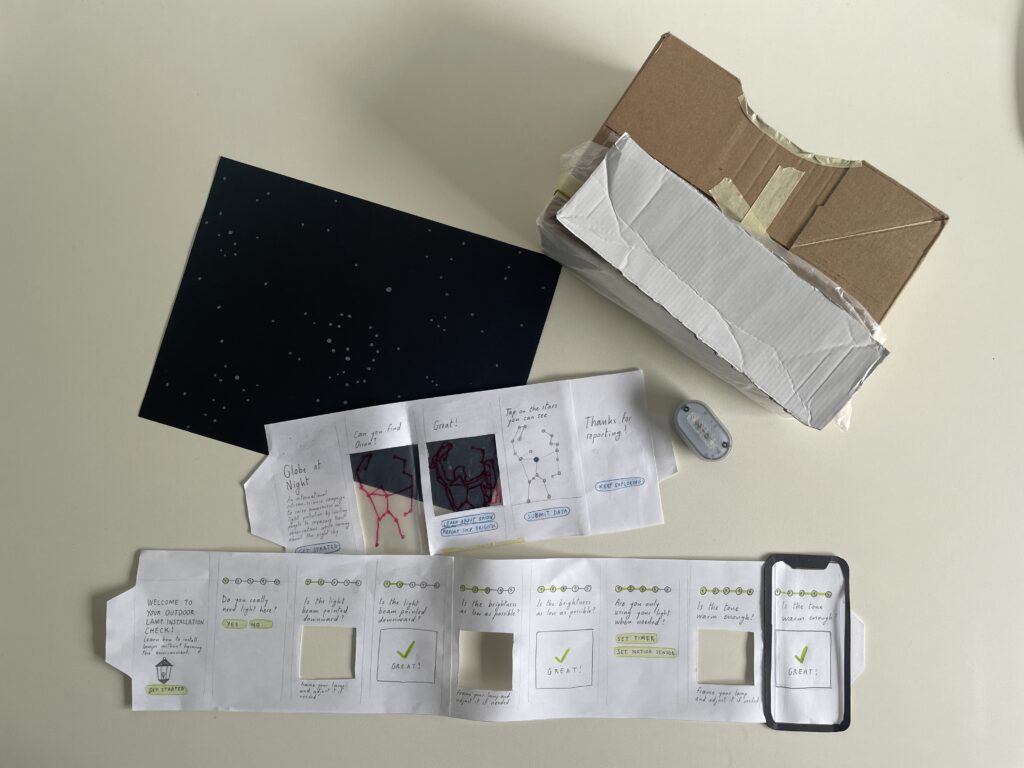
After a semester of research, I started prototyping. I thought of three possible solutions for light pollution in the interaction design field.
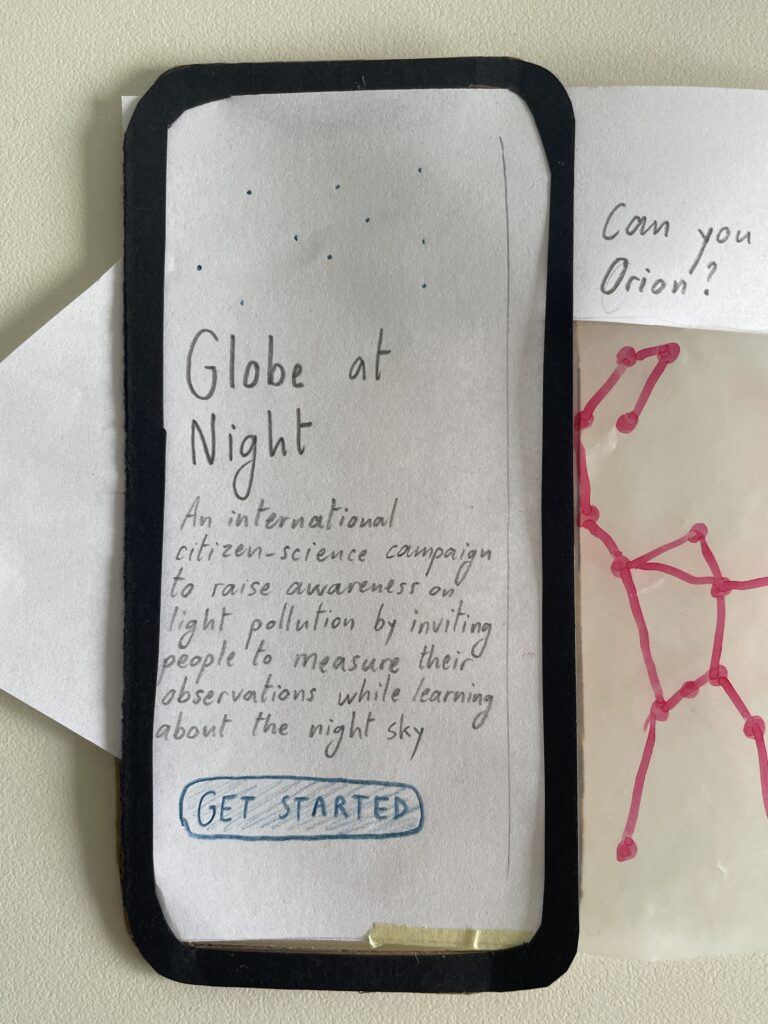
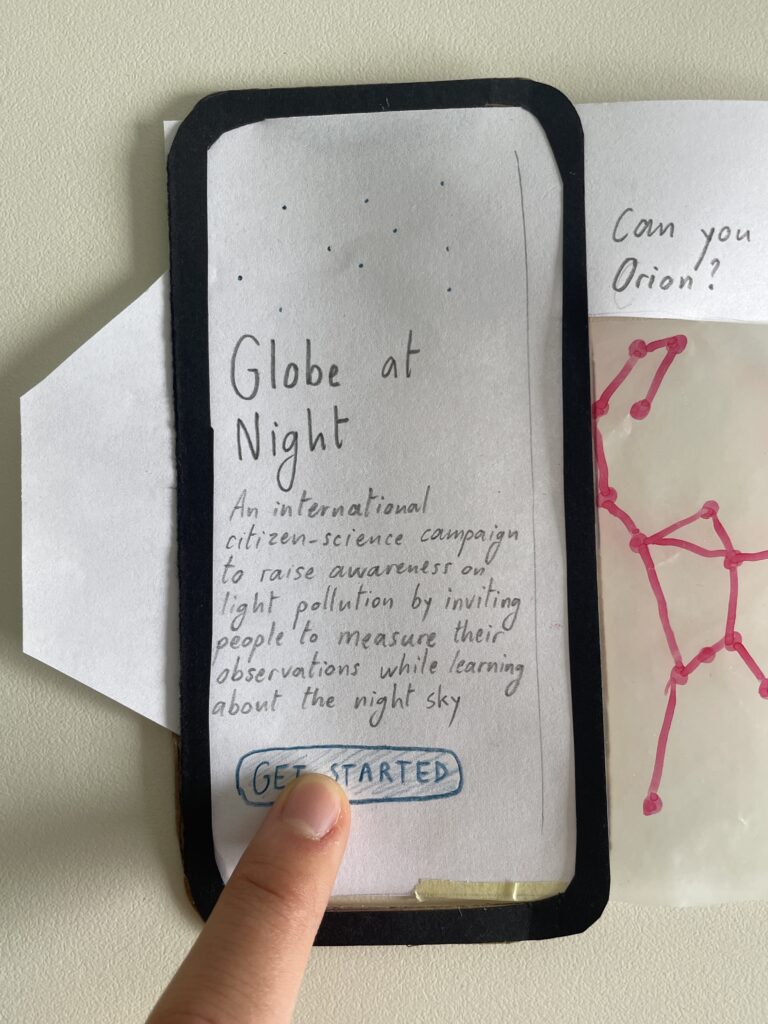
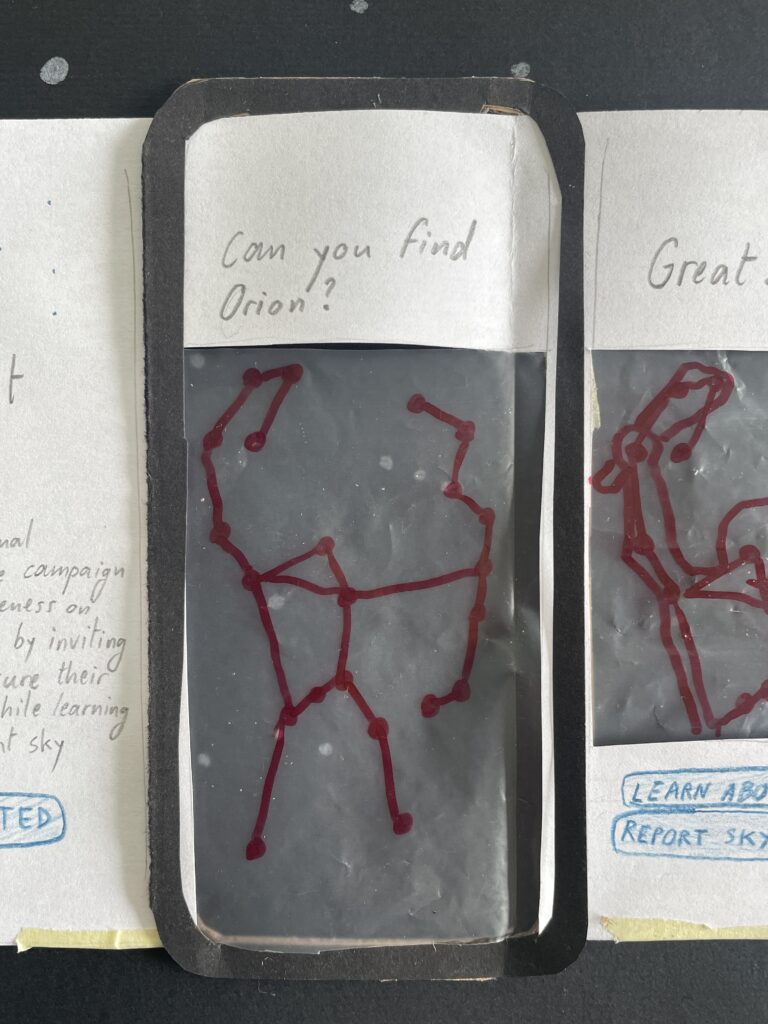
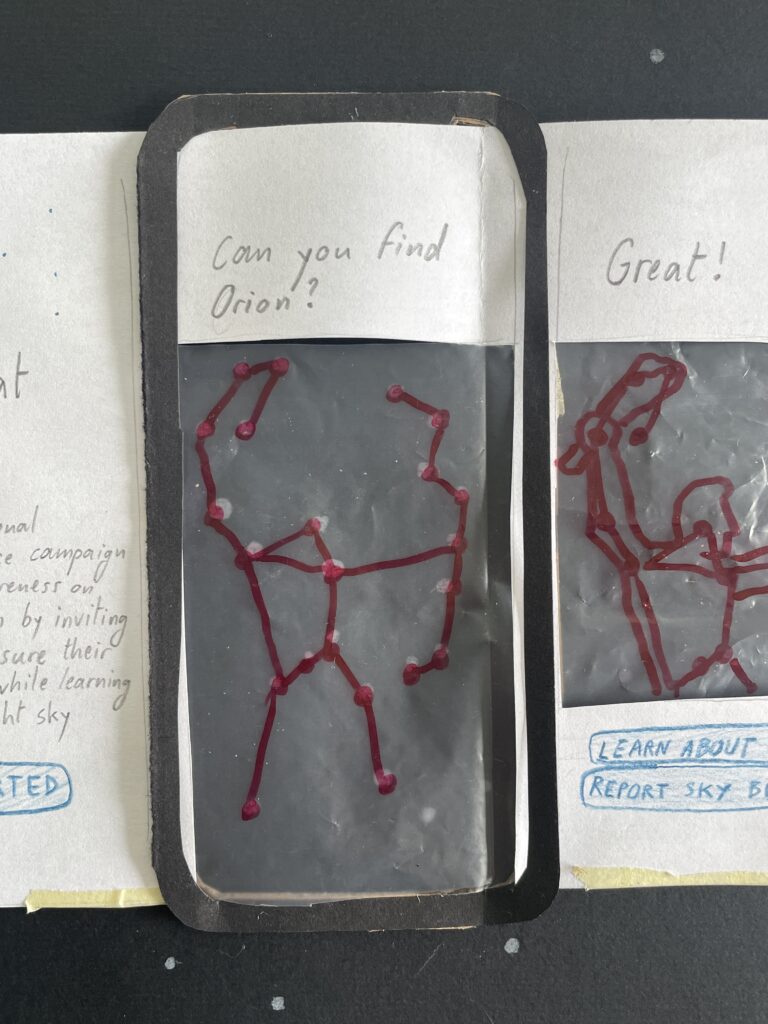
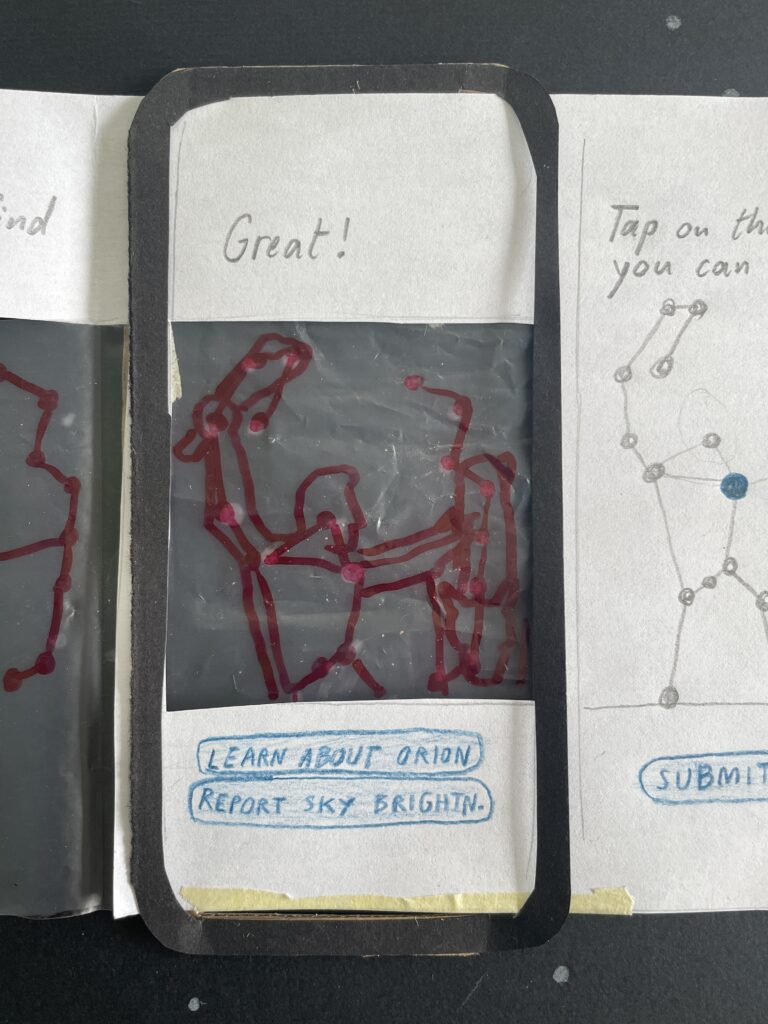
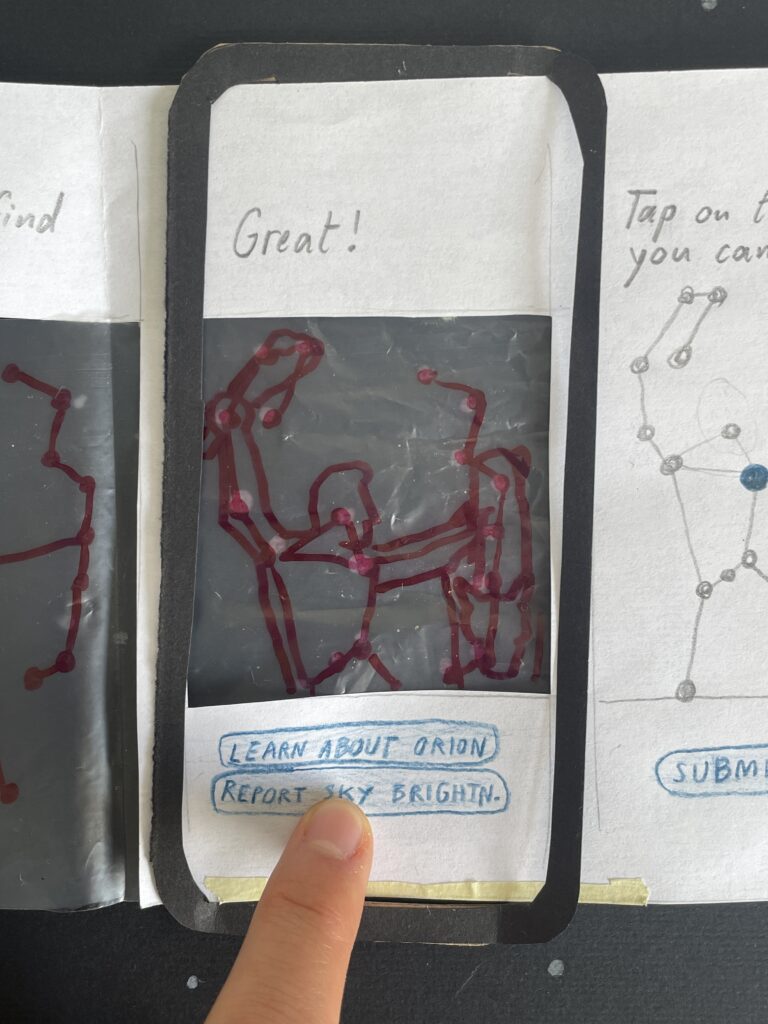
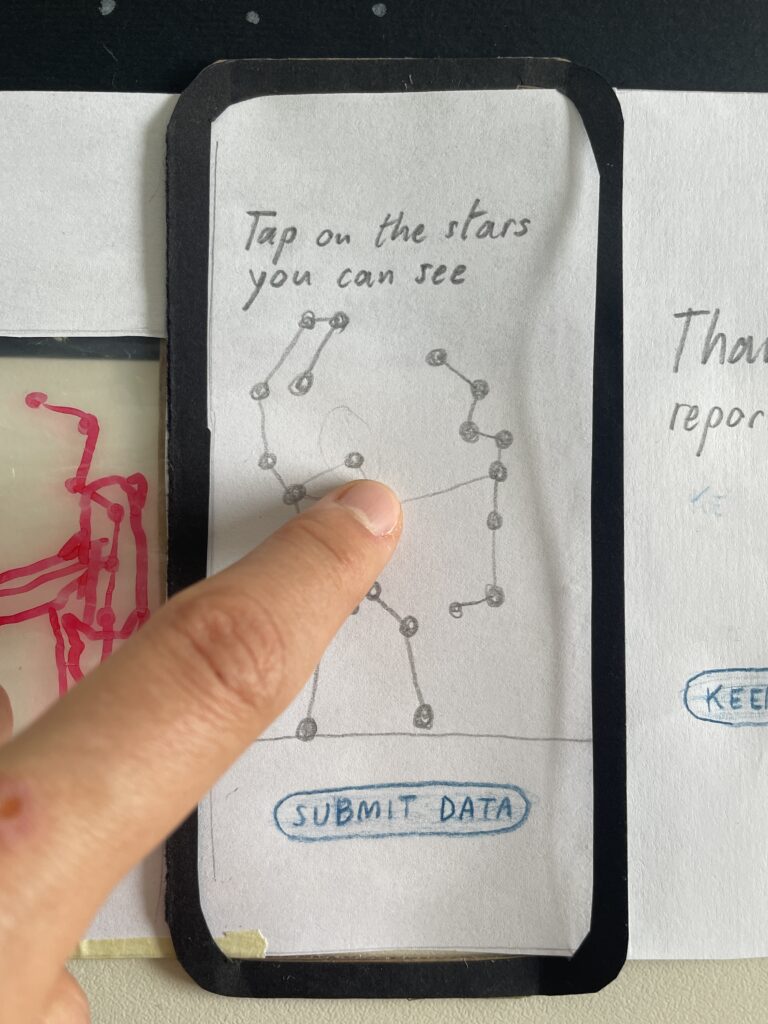
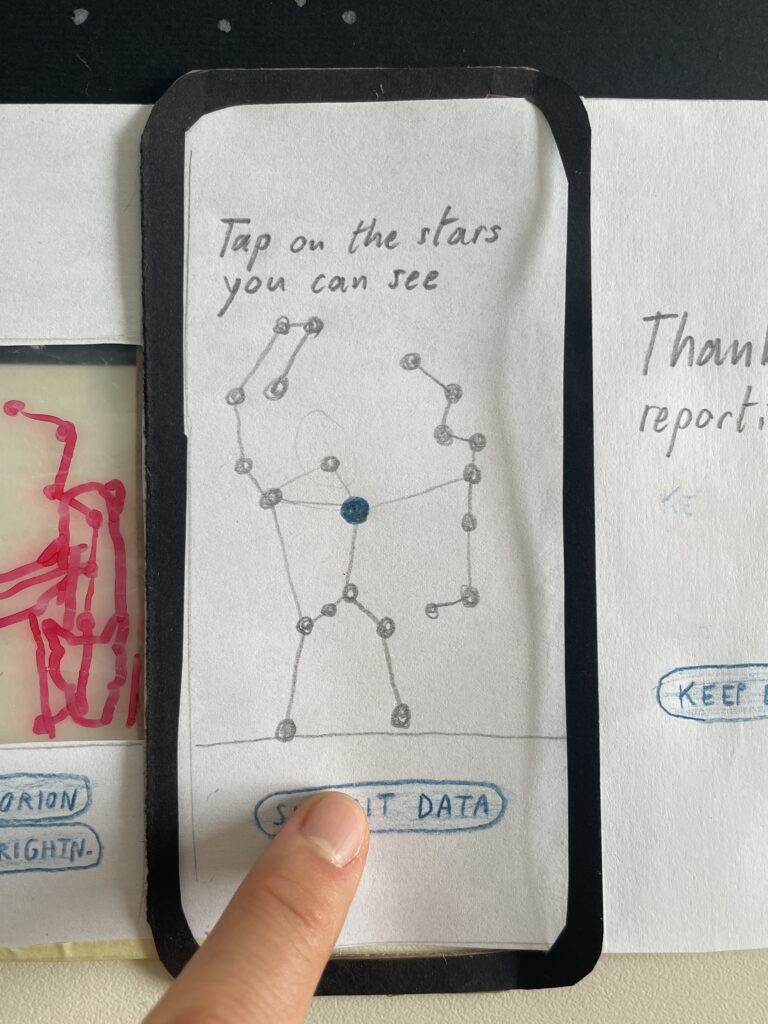
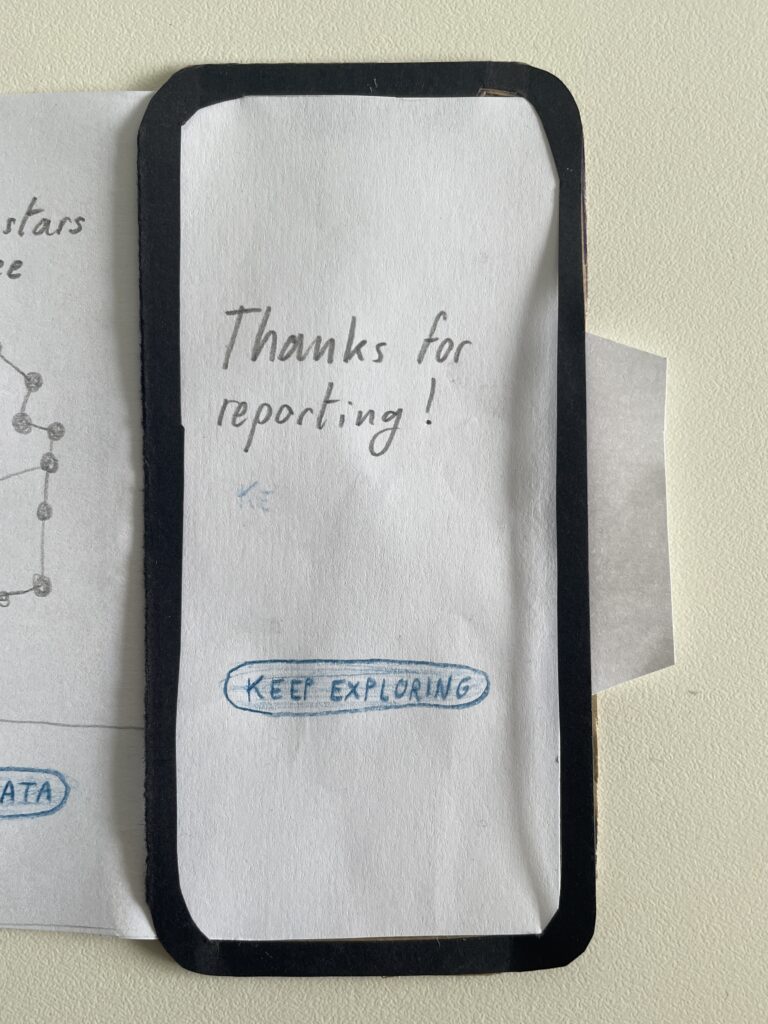
The first prototype I created is a reporting app for the Globe at Night project. It blends the form with a star map, allowing users to learn about the sky and contribute to the monitoring of light pollution. By adding an educational and interactive layer to the form I tested in a previous article, I want to increase its usage.
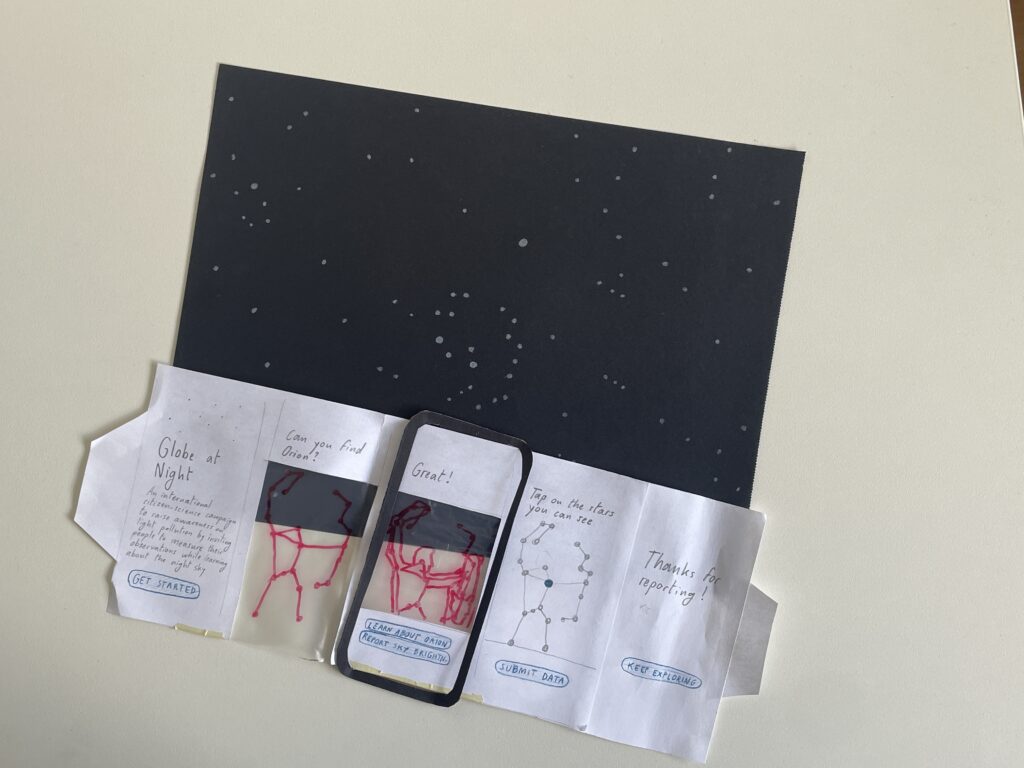
The star map works with GPS, the compass sensor and AR on your phone and is inspired by the app Stellarium. At the beginning, you are asked to find a constellation. Once you move your phone to the right position and find it on the sky (in this case a black sheet with white dots drawn on it), you can learn about the constellation or report light pollution starting from it. To report pollution, you simply have to tap on the stars you see, which change colour when selected, and then tap on “submit data”.
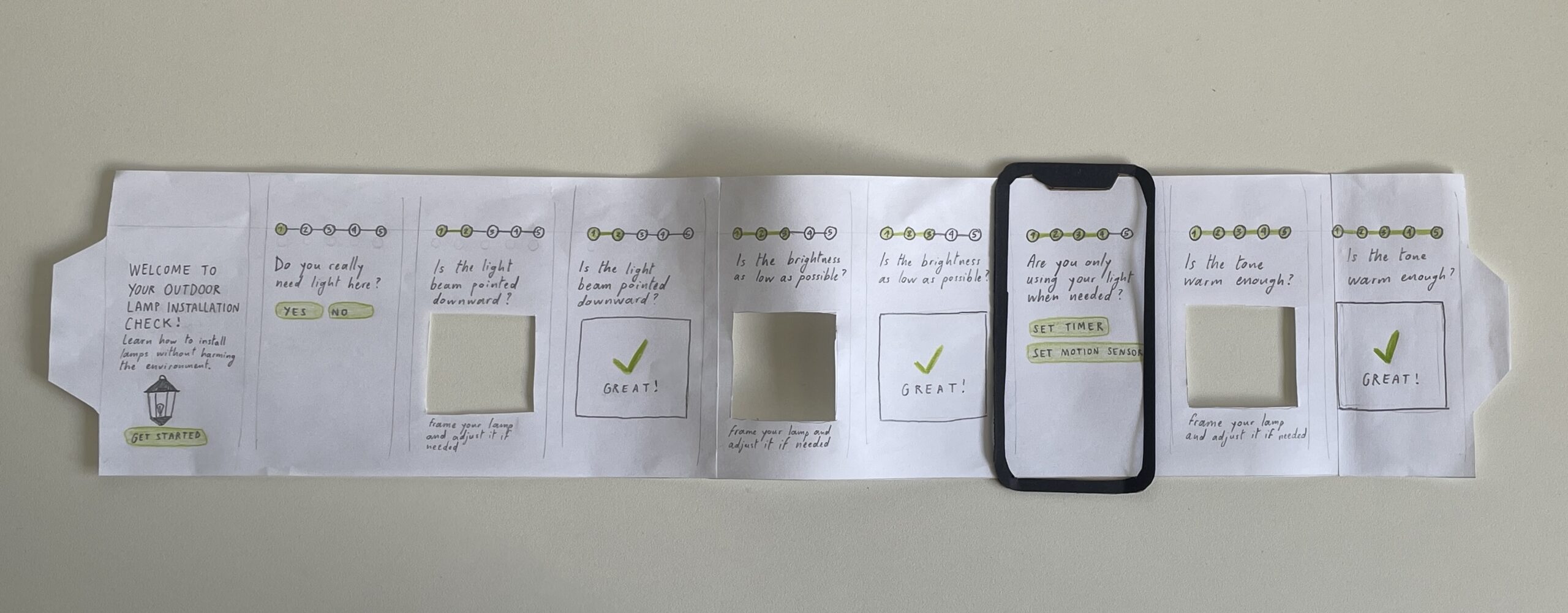
The second prototype is an app or web app that serves as an aid to the installation of outdoor fixtures in a way that is dark sky friendly. It has 5 steps inspired by the Five Principles for Responsible Outdoor Lighting by DarkSky:
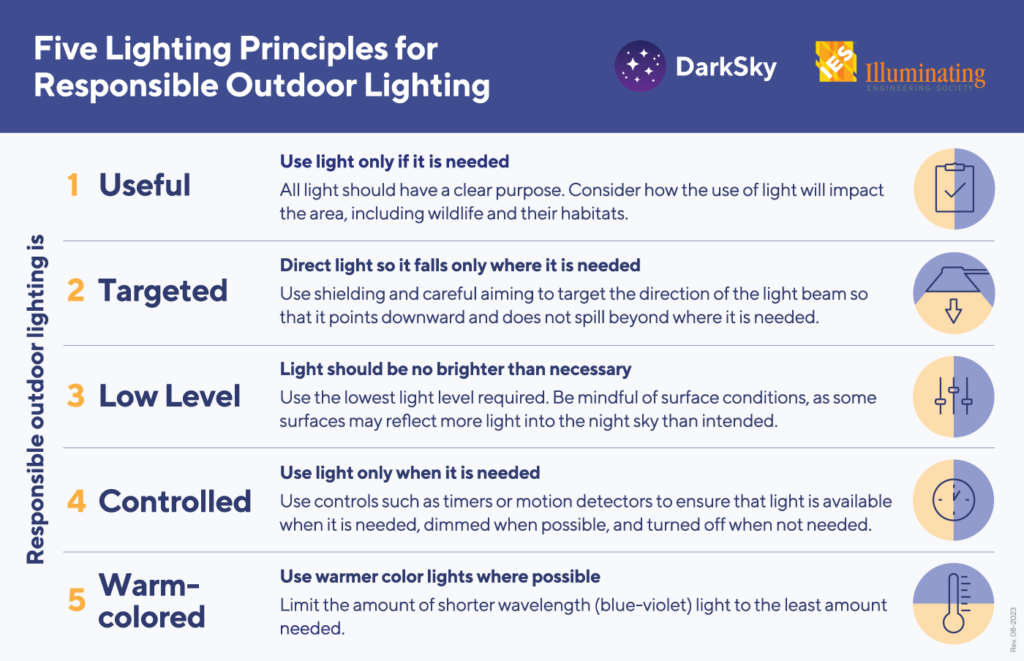
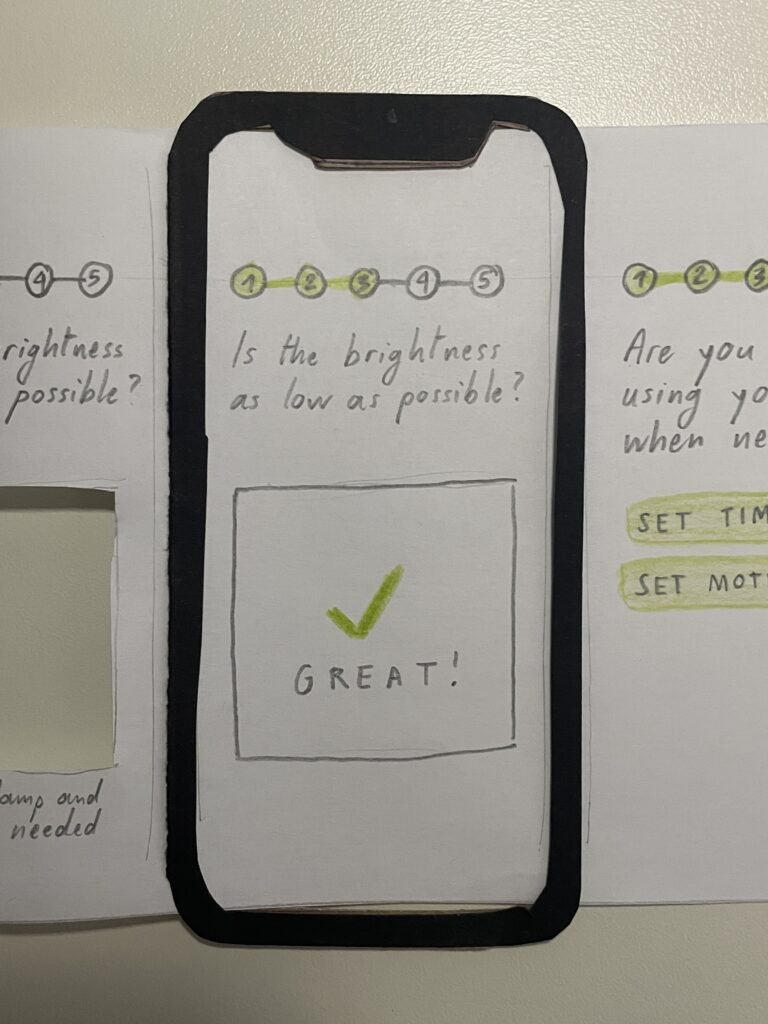
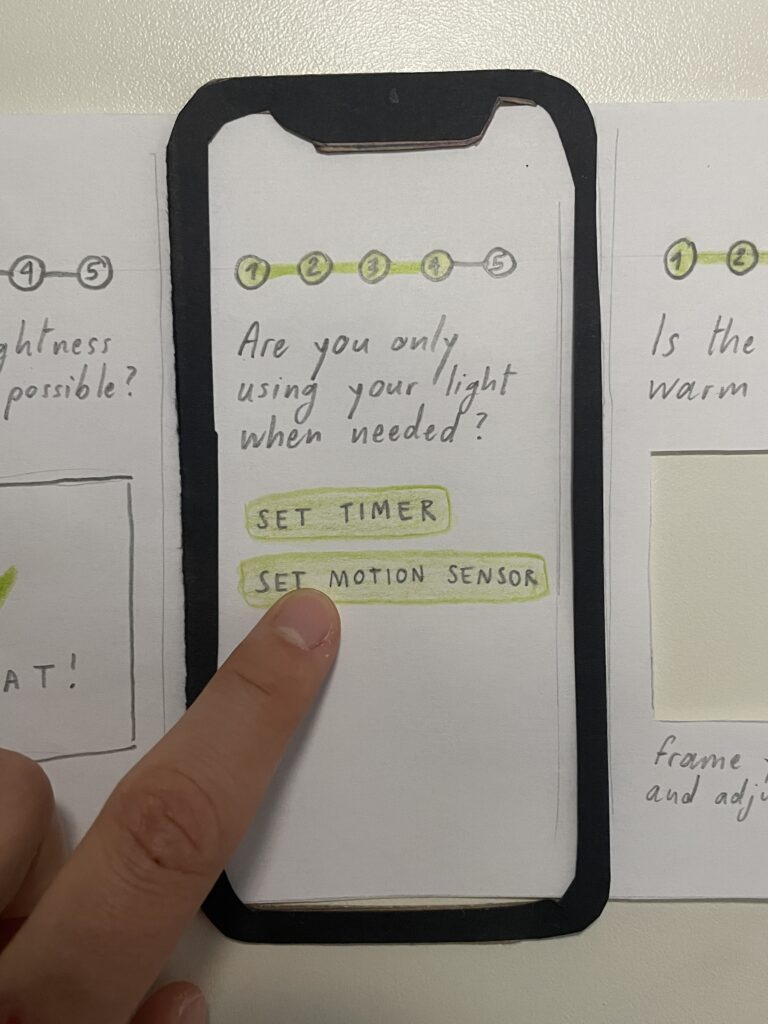
Some of them require the usage of the phone camera to check if the actions are performed correctly (direction, brightness, temperature), another one allows you to set timers and motion sensors for the smart fixture.
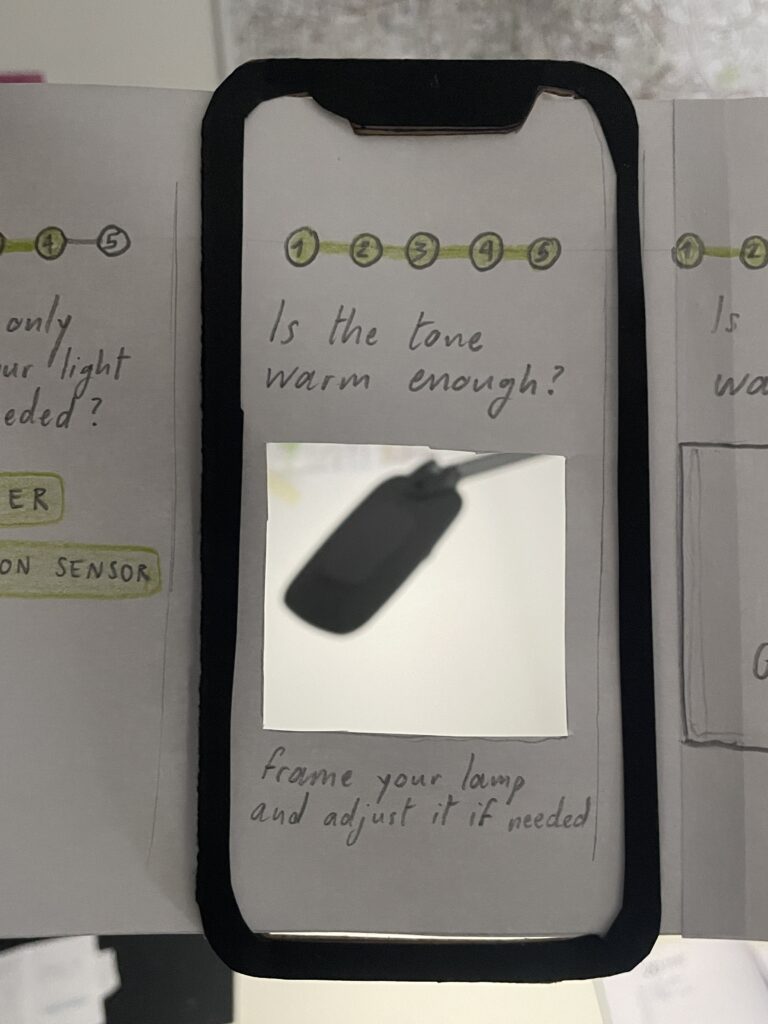
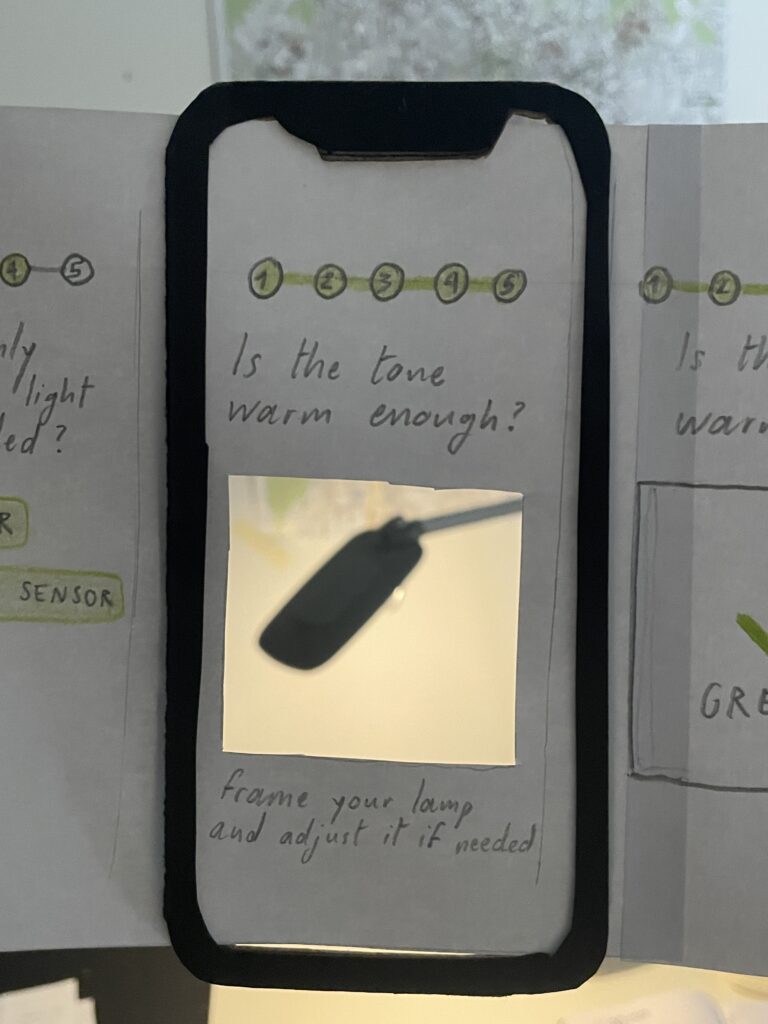
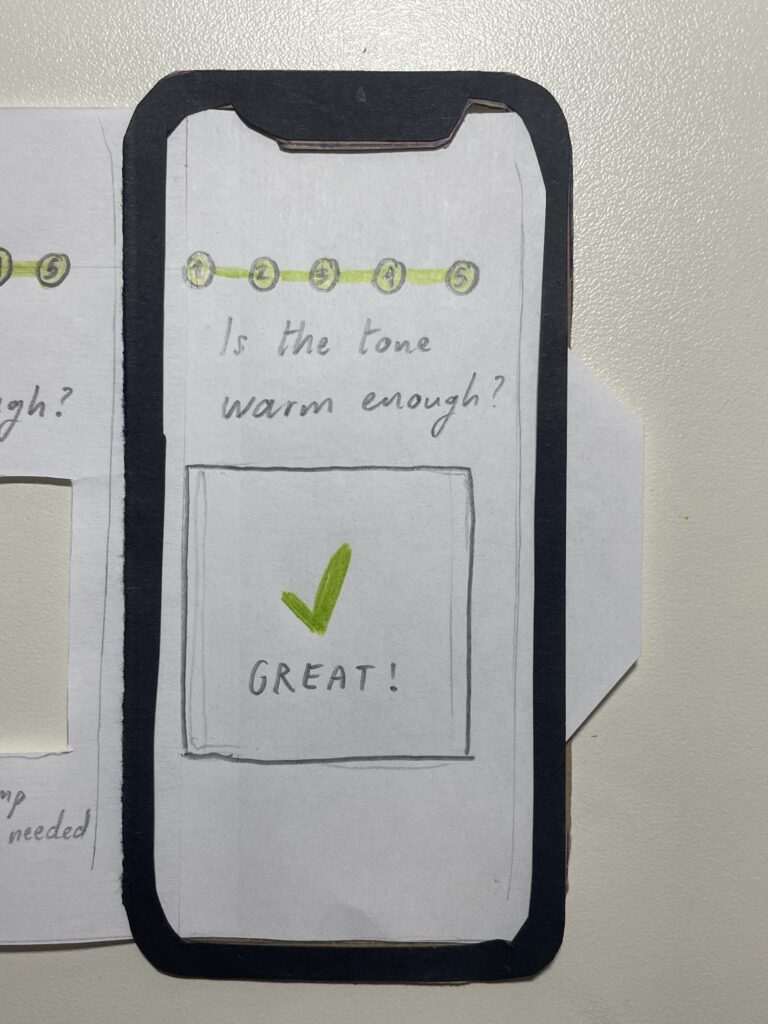
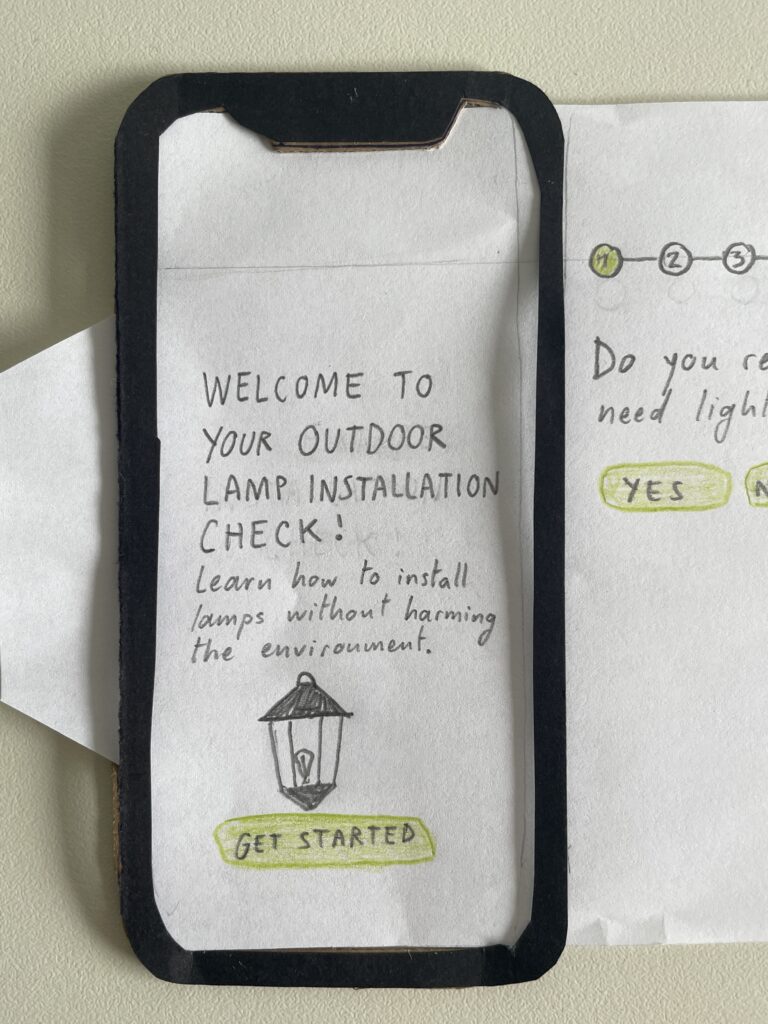
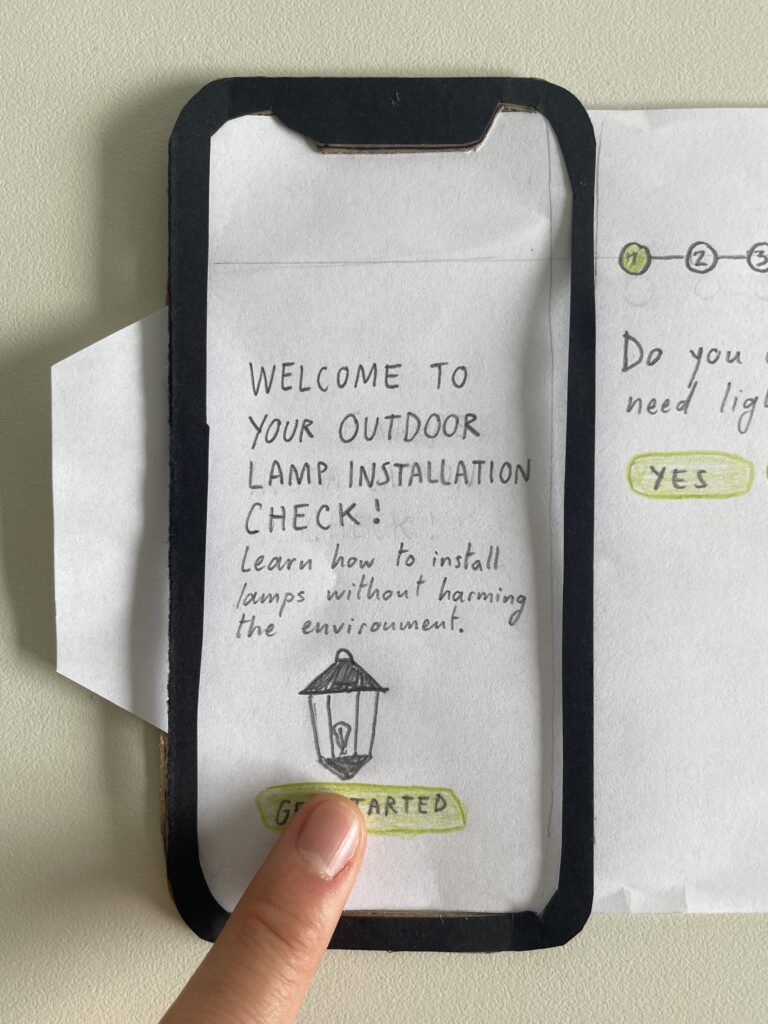
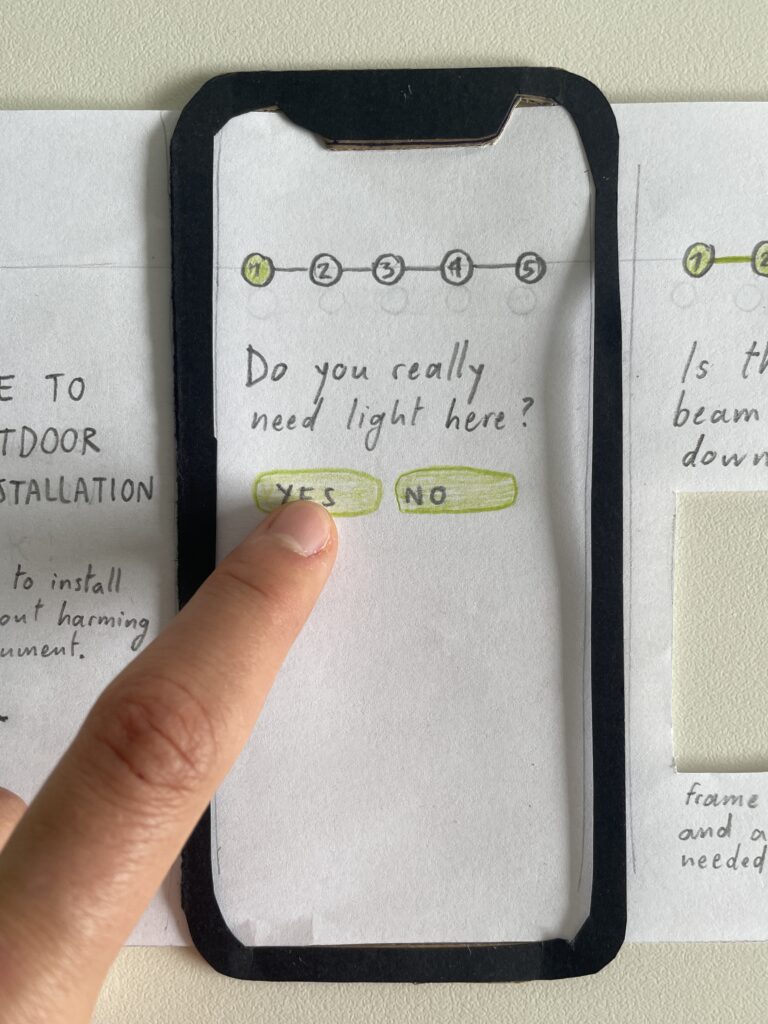
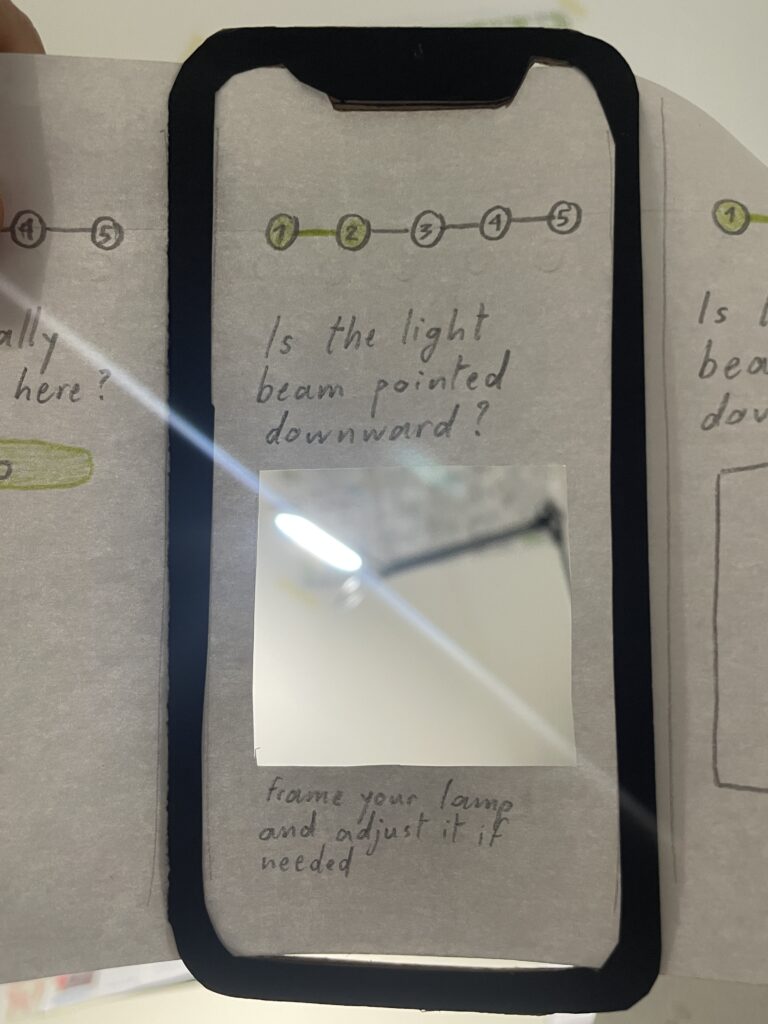
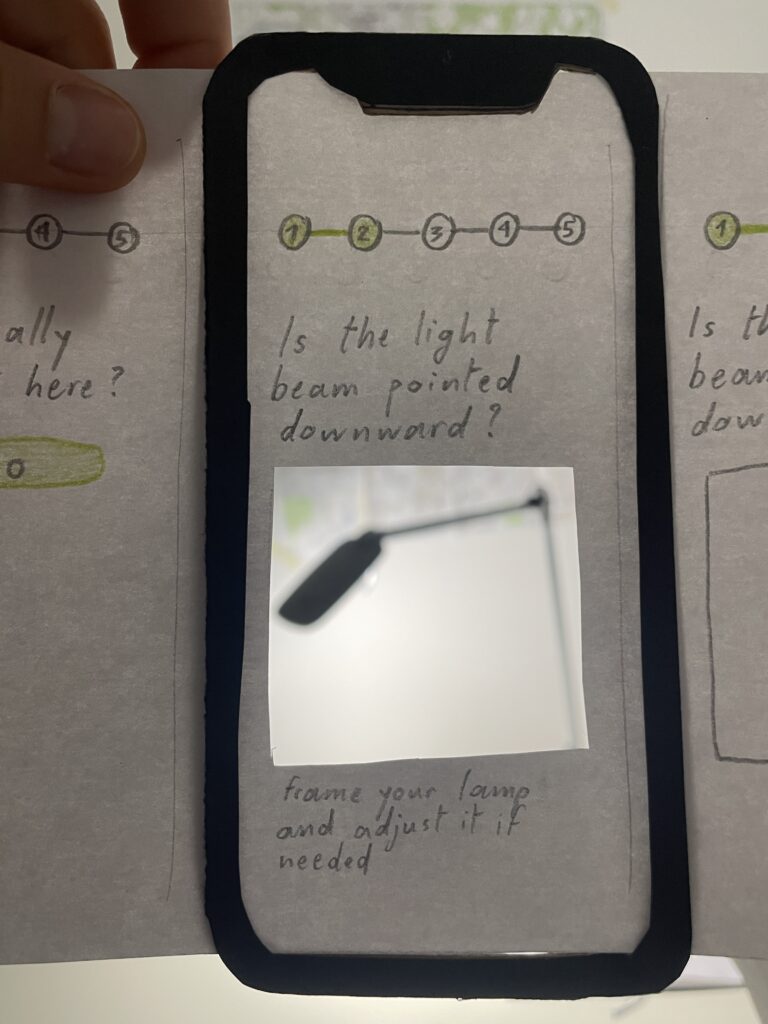
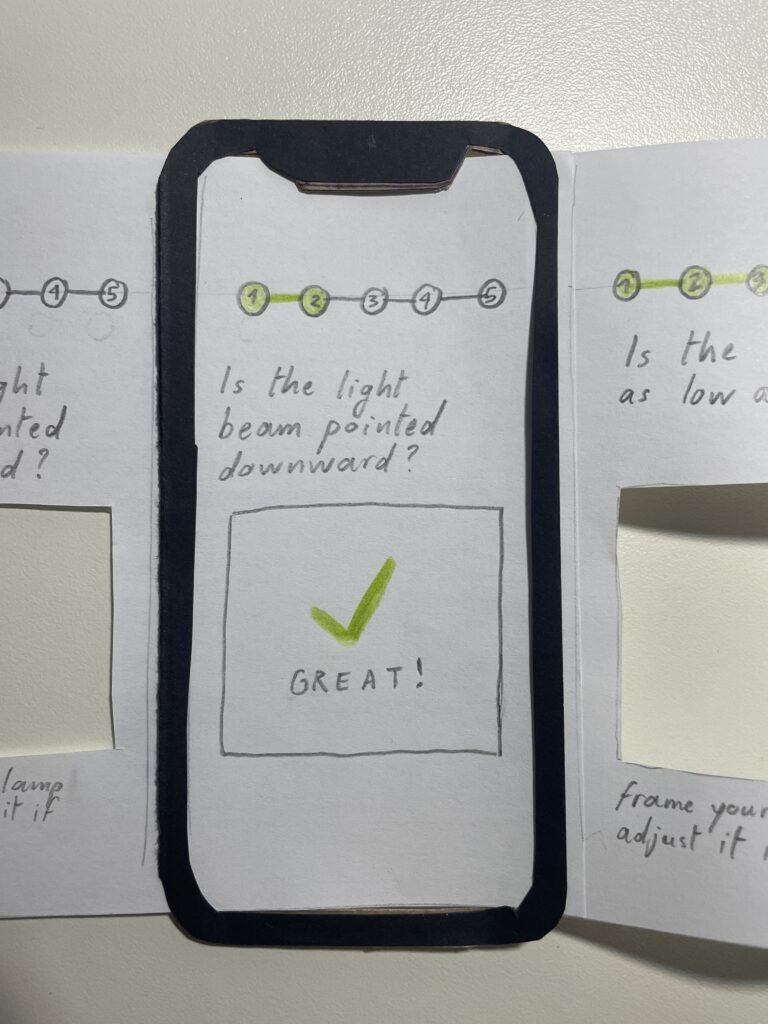
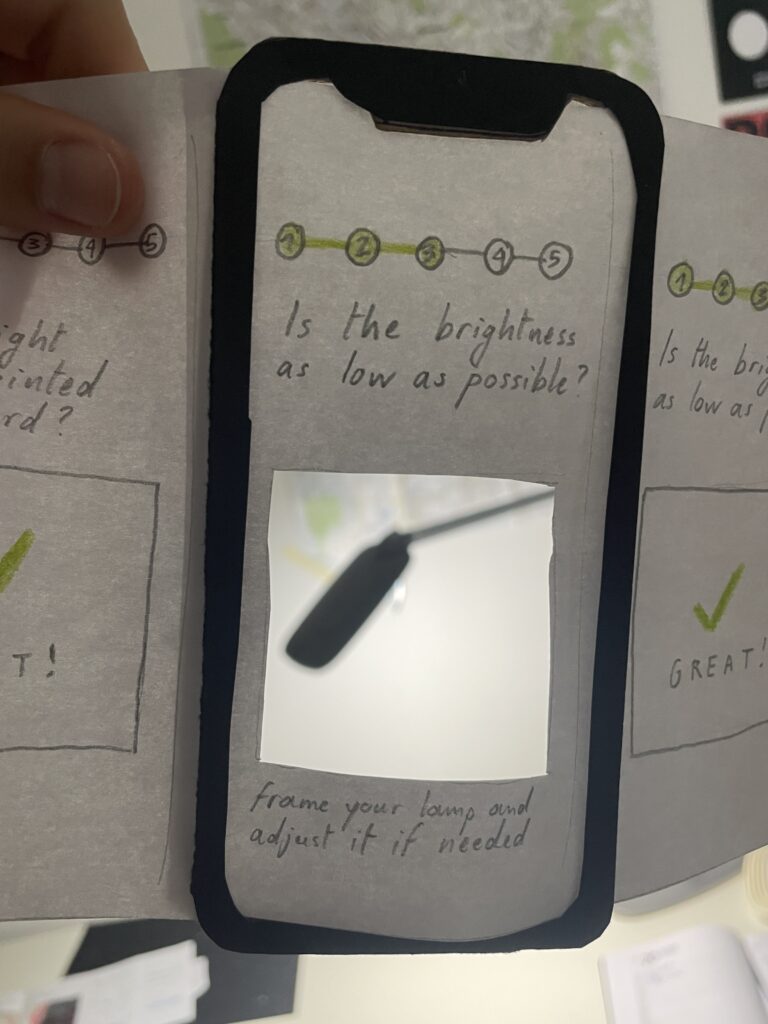
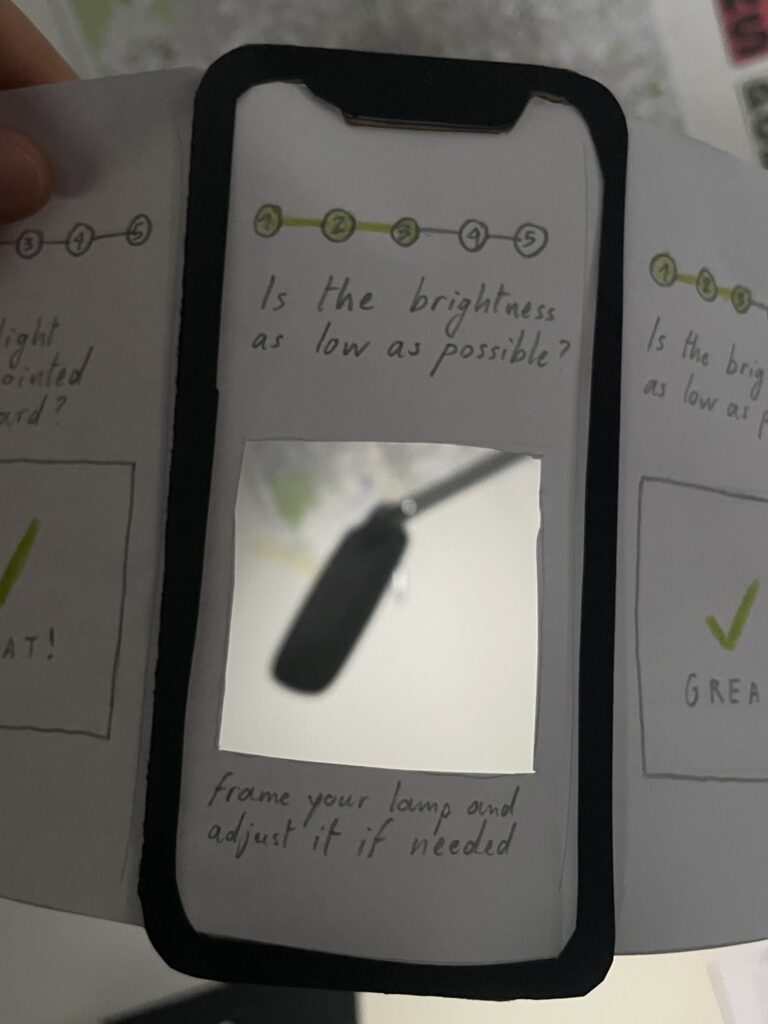
The third prototype is a game that shows the consequences of light pollution from the perspective of moths. Their sense of orientation relies on the moon, the only natural light source. When they see artificial light, they are trapped in atypical flight patterns, which are exhausting and often lead to death.
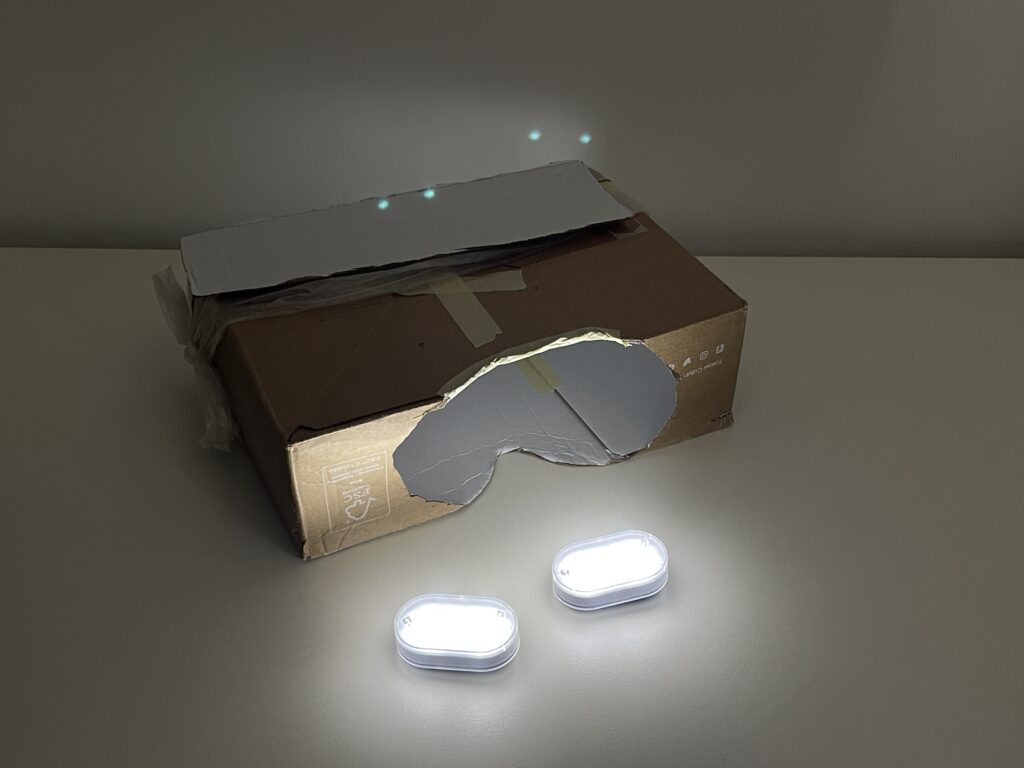
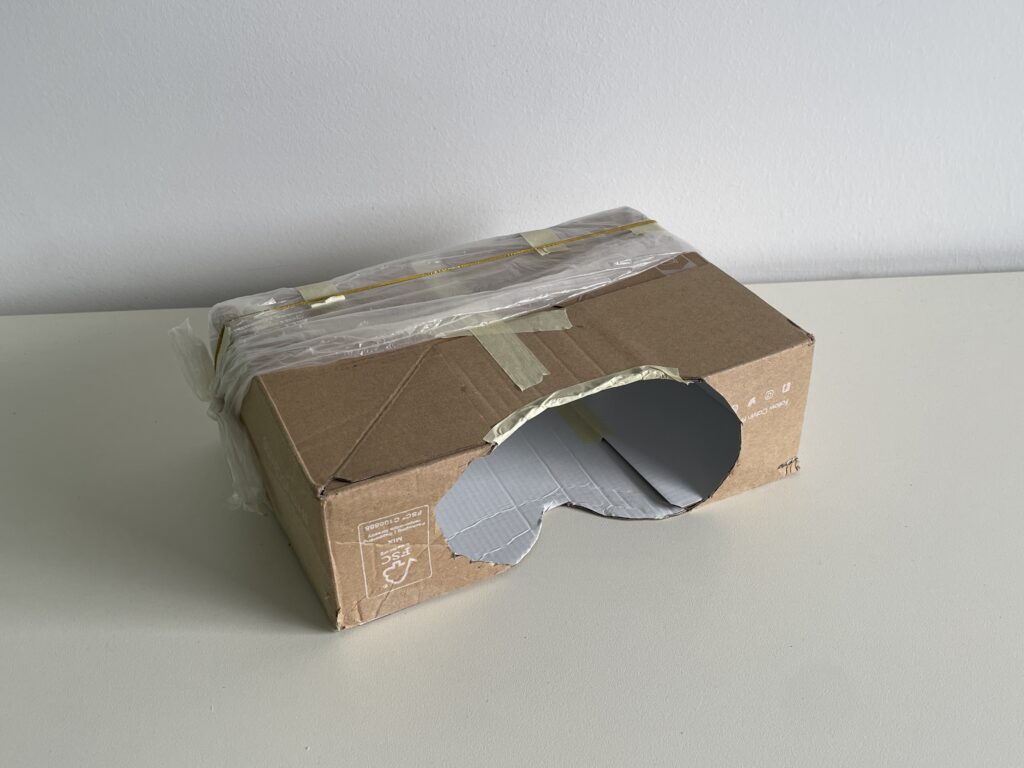
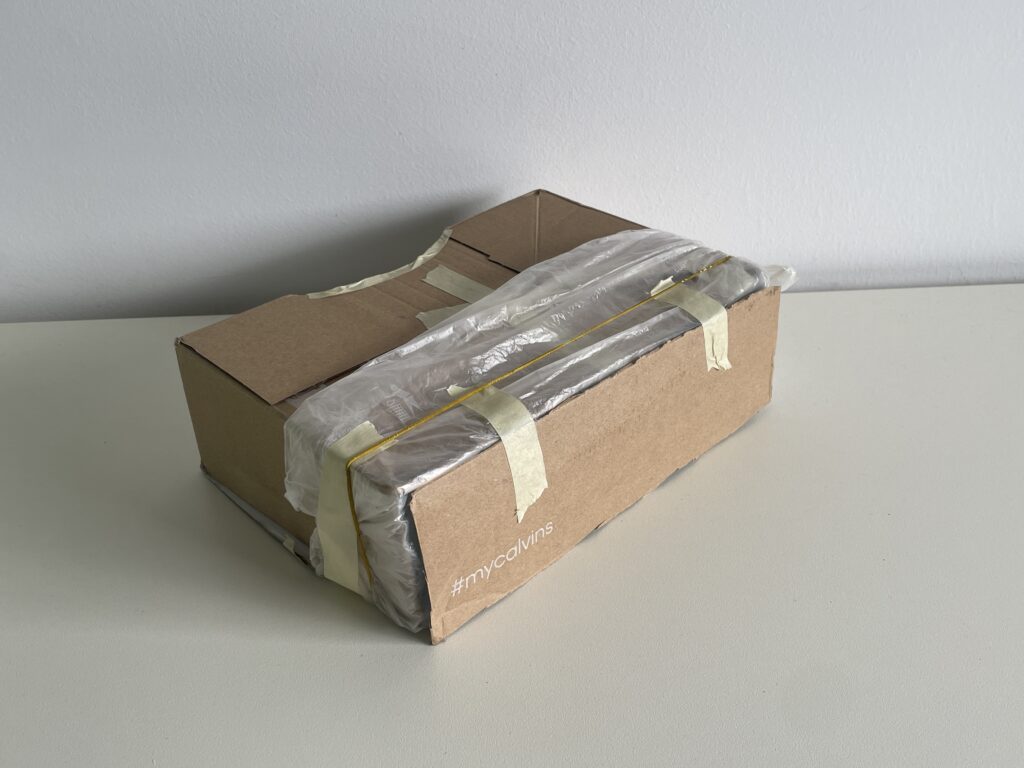
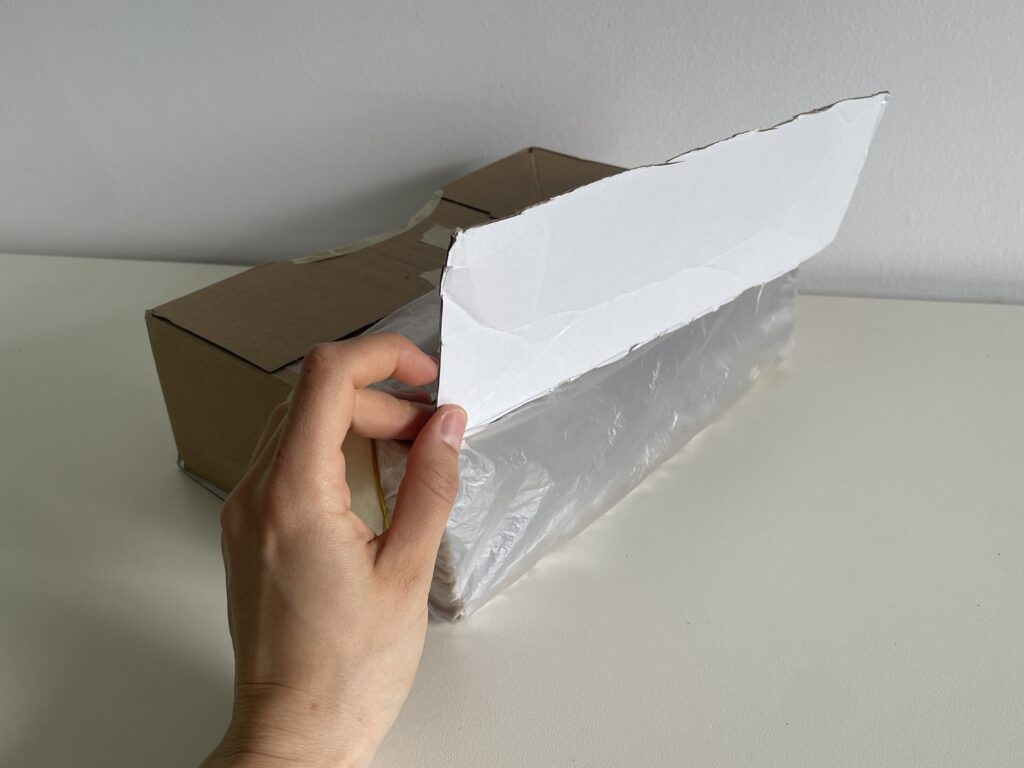
In this game, the player puts on AR glasses in a dark room and tries to find the moon, while avoiding artificial lights. They would be distributed in different locations in a dark room. The AR device mymics the vision of moths, so distinguishing natural and artificial light becomes a challenge. After getting too close to a certain amount of artificial lights, the player “dies”.

In this first prototype, the device is a cardboard box that I cut in a way that allows the player to place it in front of their eyes and see through a plastic bag attached on the other side. I used various lights I had at home to represent different light sources. My version is done with “Wizard-of-Oz” prototyping, so at the beginning I play an introductory audio by National Geographic that explains why moths are attracted by lamps. After that, the player can start their mission of finding the moon and every time they reach a light source, I tell them what it is. After reaching three lamps, the game is over.
I chose the first prototype (light pollution reporting app) for a speed prototype reviewing we did in class to gather feedback. Someone asked how the app knows that you are looking at the right constellation and thought that there is not enough feedback telling you if your performed action is right or wrong. The app works with GPS and the compass sensor so it detects when you are pointing your phone in the right direction. Regarding feedback, I could integrate a vibration or sound feedback or a bright coloured outline when the right constellation is being looked at.
Other people suggested me to state clearly at the beginning that data is going to be submitted. While this is mentioned in the introductory paragraph of the first screen, I could make the information shorter and more immediate.
One persone said that if the app had a Tinder profile, its description would be “learn about astronomy and relax“. Someone else appreciated the combination of gaming and science.
Another person argued that the app only is for people interested in astronomy. This might be true, therefore I shall think of ways to make it attractive for a broader audience, in order to draw more attention on the issue.
Design&Research 2 with Katerina Sedlackova
After creating value proposition map and business model canvas of the app to report light pollution, I wrote a product idea.
Light pollution is not talked about a lot. In addition, there is not a central platform to report it, and the ones that exist are difficult to use. With this product, I want to make light pollution reporting and research easy and accessible for normal citizens and scientists. This way, I aim to raise awareness on the cause and inform people, in order to fight the issue collectively.
We should care about light pollution and take action against it because it brightens the night sky, it harms nocturnal animals and disrupts biological cycles. By reporting it, we allow biologists to track data and solutions can be suggested to authorities.
The solution I offer is an app that merges reporting and instruction: users can fill out a simple form about the condition of the sky they see, see their contributions, sign petitions, but also navigate a light pollution map and discover the sky thanks to augmented reality. There is also a social media function to let people connect.
The target audience includes nature lovers, astronomers, people living in big cities, people with sleep issues, biologists and ecologists. The first ones can use the app to report and learn, while the other ones can analyse data for research.
With this product, attention can be drawn to the issue, changes in light pollution can be studied, solutions can be found and suggested to authorities. Other than that, users can find like-minded people, learn something new and feel like they made a difference.
The app can make money by selling a premium version with advanced features, like more details on the light pollution map and on the AR version of the sky. Other than that, it would rely on government or charity funds.